It's a marathon not a sprint: Dr Phil Kieran's take on the virus crisis
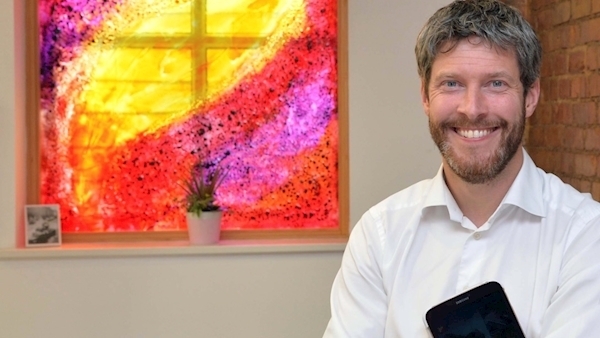
charts the changing response of his busy Cork City practice to the Covid-19 crisis, adding that timeout is essential for recovery.
Today is week one of widespread isolation. The road into work this morning was more or less deserted and Washington Street, Cork, is silent outside my window.
Our doors have been locked for just over two weeks, with patients making appointments by phoning ahead and then waiting at the door until a staff member can deal with them directly. Most of them don’t step inside the building these days.
When we first closed our doors we knew that this was not going to be over in a week and that our day-to-day work activities had changed dramatically for the foreseeable future.
Still, back in those early days, we were bringing about half our patients into the building with precautions. We were facilitating those who needed driving licence medical reviews, arranging childhood vaccinations and monitoring bloods needed for our patients on long-term medication.
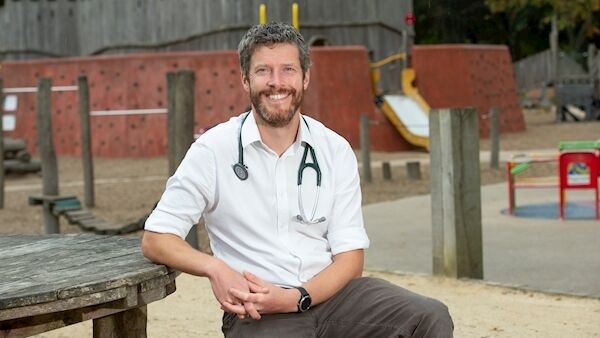
Now we don’t have anyone routinely booked in and all appointments need phone review by one of the clinical staff before they are told to come in. We are seeing the bare minimum of patients, those who need physical review and can’t be deferred until a later date.
Mostly, these are our pregnant patients who need their antenatal care to continue, patients on long-term injectable medication who need regular reviews, and children who need their vaccinations — even in the current climate the risk of measles is something we all want to avoid.
When I look back over the small diary I’ve started, day one reads like an age ago.
‘Patients seem fairly unsurprised about our decision to avoid face-to-face contact. We have had a few people get angry or shout at us but, on the whole, they are thanking us for looking out for their health and taking the decision to protect them.
'The surgery is weirdly humming, I can hear the other doctors chatting to people on the phone. It’s very matter of fact, not too much reassurance needed at this stage. I managed to wrap the day up at half six which is a good hour earlier than usual and head home.’
‘We had to cancel our staff night out. The few days off I had booked to hang out with my eldest son for his sixth birthday party had been cancelled as we now have five staff members in self-isolation awaiting test results.
‘Our practice manager and practice nurse had to step into the breach and take over the work of three receptionists on what became one of our busiest days with cancelling appointments, doing telephone assessments and fielding questions about Covid-19 testing.’
This week, we are fully into the routine of a pandemic; we have developed a bit more structure. We are still down a large portion of our front-of-house staff.
Out of a staff of 11, five members were off work during week one with presumed Covid-19. One tested positive and the others haven’t had their results back yet. Thankfully, all will recover.

Work starts with a teleconference between the three partners at half eight every morning. We discuss the staffing issues and how we can fill the gaps, updates I need to make on our website, and review the latest information that has come through on email and WhatsApp on Covid-19.
We are working with two doctors in the surgery and two working from home. This allows for two dedicated examination rooms for patients, essential as the room needs to be disinfected after each patient.
While we check that each patient does not have respiratory symptoms before attending the surgery, the latest data suggest that the time you are most infectious is two days before you develop symptoms. This means I treat each patient as if they are contagious. I don’t wear full protective gear with mask and visor as we don’t have enough but I do try my best to reduce the risks.
Aware the worst of the crisis has yet to come, yesterday we looked at ordering medication for treating people in end-of-life situations.
We decided we need to be ready to help out in people’s homes if there is not enough staff in the palliative care service to do so.
One of the few upsides to this way of working is that I am getting home earlier than usual. Most days I leave the office now at six o’clock. This means I get home to see my kids before they go to bed and, with the longer evenings, I even manage to get out on the trampoline to burn off some of the day’s energy with them. These are the small hidden bonuses of the restricted life we are currently living in.
Like most of my colleagues, I need to log back in to work remotely after they go to bed to wrap up the last few loose ends of the day.
Keeping levels of physical exercise up in a time like this can be difficult which is why I make sure to get the dog out for a walk in the morning before I get in the car. A surprise bonus is the clarity of the air and the silence on the roads that I walk along.
I take him out along Airport Road most mornings and usually it is all cars, buses, and trucks, which, for some reason, he loves to chase. But this morning I saw two foxes casually walking along the hedgerow minding their own business — until Jedi tried to pull my arm off to go and say hello to them.
The important thing, I keep reminding myself, is to enjoy these moments. This pandemic is likely to become much more of a marathon than a sprint. We all need to take the time to enjoy the small daily wonders of life instead of focusing on the restrictions under which we now live.


CONNECT WITH US TODAY



Be the first to know the latest news and updates






