The science of hope: Why tomorrow’s world will be better than today’s
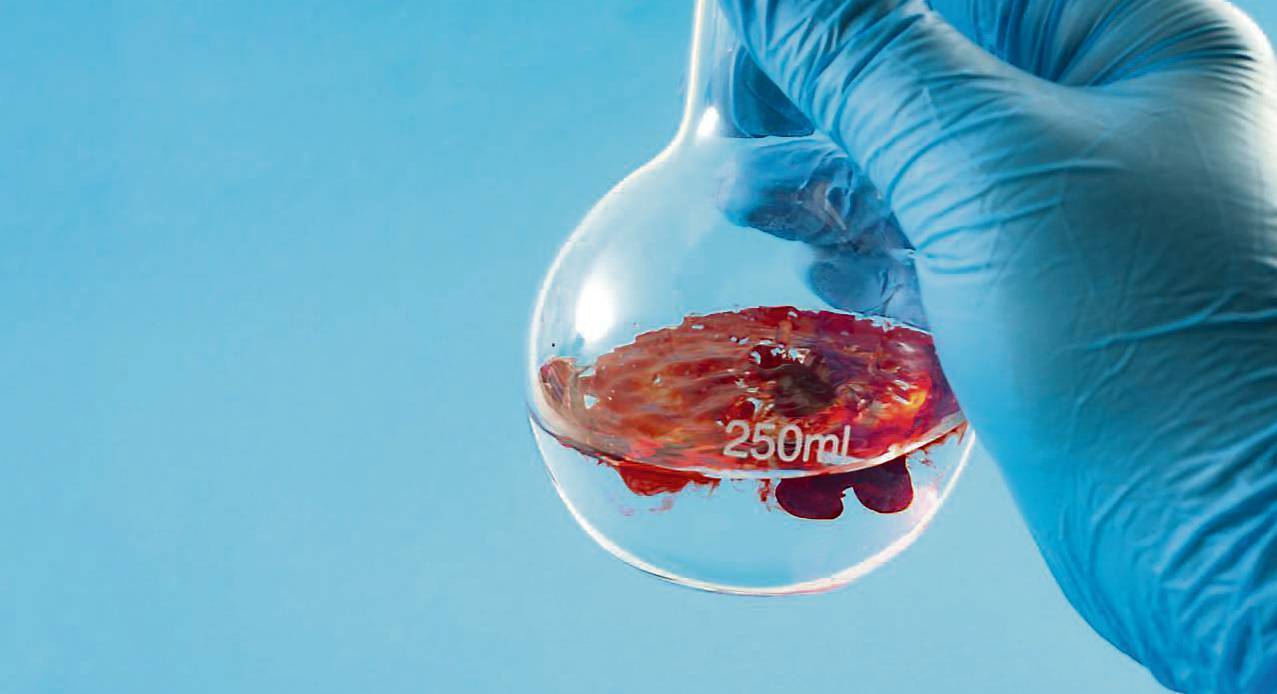
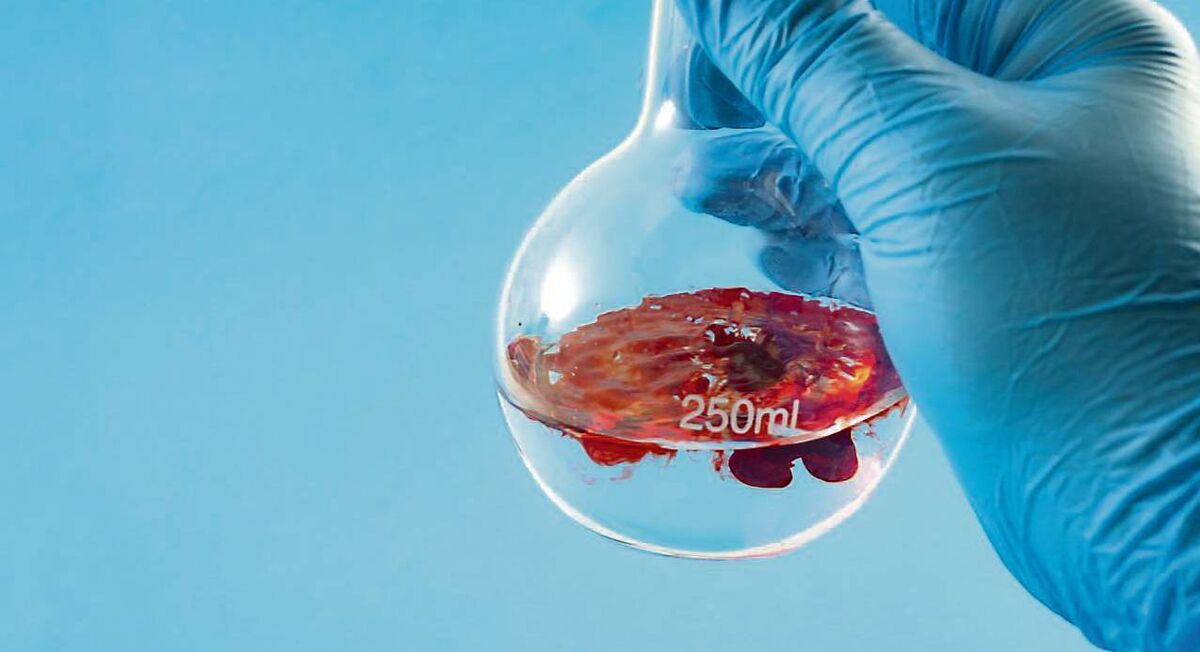
gathers 20 of the best innovations that will make life better for all of us.
IF ever hope was needed, it’s now, during the coronavirus outbreak.
Cocooning, self-isolation, and lock-down are not conducive to positive thinking.
Nor are pandemics. But we can choose to focus our thoughts elsewhere.
Every day, universities and laboratories across the globe announce heartening observations, discoveries, breakthroughs, and cures that will save and enrich life on this planet.
Invisibility cloaks may yet appear on the market
Scientists haven’t yet succeeded in creating an invisible woman.
But whenever they do, her cloak may be waiting at the University of Rochester.
There, researchers can make objects disappear from view by strategically placing light beams to create a blind spot between them.
Malaria treatment
Compounds that can kill malaria parasites have been developed by Australian and US researchers.
Drugs based on these compounds should shortly enter phase one of clinical trials.
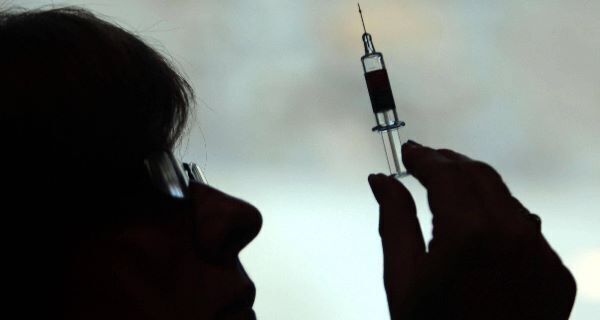
Increased conception hope for chemotherapy-treated women
The birth, this year, of a baby born from eggs matured and frozen in a laboratory was a happy event that gives hope to women made infertile by chemotherapy.
The mother had treatment for breast cancer five years previously.
Wearable tech for animals
Researchers at Imperial College London have developed a wearable sensor that can track and monitor vital signs through fur and clothing.
The device will help sniffer dogs in their work, and monitor the health of companion animals.
Search for stuttering cure
University of Canterbury scientists are studying the brain networks that produce speech.
The research should benefit everyone who has a stutter or other speech disorder.
Ketamine-like drug licensed for treatment of severe depression
Esketamine has recently been licenced in the UK for use in the treatment of depression. The drug’s antidepressant impact can take effect within hours.
Awareness of the importance of nocturnal darkness is growing

Academic studies have long shown that dark night skies are crucial for plant life, wildlife, and human mental health.
Growing awareness of this has led to the Polynesian island of Niue becoming the world’s first dark-sky nation.
Diabetes has been cured… in mice
Washington University scientists have cured type 1 diabetes in mice, using pluripotent stem cells to efficiently create insulin-producing beta cells.
Their success brings hope of a cure one step closer for the 422m people the World Health Organisation estimates have the condition.
Air pollution on the decrease
Videos from the European Space Agency and satellite images from NASA show air pollution clearing dramatically over Italy and China.
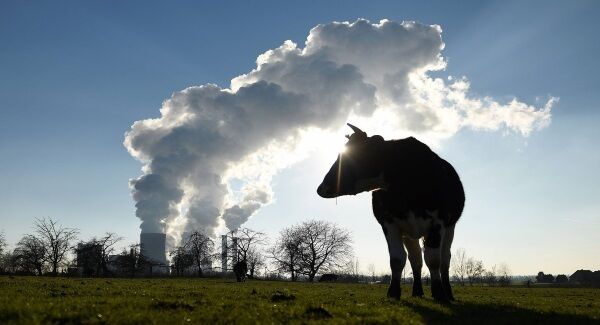
Economic slowdown, due to the COVID-19 outbreak, is thought to play a role.
Venetian canal waters becoming cleaner
A massive reduction in tourists to the Italian city, in recent weeks, has sharply reduced boat and cruise ship traffic.
As a result, the canal water is much cleaner, with swimming fish clearly visible, a phenomenon that has not been witnessed for decades.
Contact lenses developed to help correct colour blindness
Scientists have developed contact lenses that correct deuteranomaly, which is reduced sensitivity to green light.
Colour blindness affects approximately six percent of males.
The condition can make it difficult to recognise an unripe banana by its colour.
Dual-acting osteoporosis drug on the way
The FDA has recently approved Romosozumab, a drug that combines the benefits of earlier osteoporosis treatment drugs, while building more bone than was previously possible and helping prevent fractures.
Potential universal flu vaccine sprinting through clinical trials
The prospect of a single-dose vaccine, which offers long-lasting protection against multiple strains of influenza, is closer than ever.
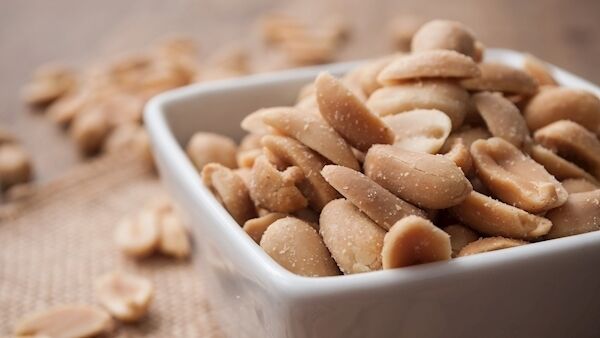
Peanut allergy cure
The FDA has approved Aimmune Therapeutics’ peanut allergen powder.
The new immunotherapy is now being administered in US medical centres to youngsters aged between 4 and 17 years who are presenting with peanut allergies.
Affordable hydrogen fuel
Making hydrogen fuel a commercially viable option in the energy market has proved elusive.
But the discovery by Tokyo-based scientists that Fe-OOH, a form of rust, is an efficient catalyst in the process, is viewed by environmentalists to be game-changing.
Non toxic ‘super glue’ manufactured
By combining water with plant-based cellulose nanocrystals, scientists have created a powerful, non-toxic adhesive.
Better back- and leg-pain relief
Spinal-cord stimulation is a common treatment for chronic back and leg pain, outcomes for which are often disappointing.
A recent innovation, in the form of a closed-loop, spinal-cord stimulation system, delivers superior pain relief for up to 12 months after implant.
Minimally invasive mitral valve surgery
For the first time, mitral heart valves have been repaired in beating-heart surgery.
While the patient in this procedure was a dog, the surgical victory augurs well for humans aged 75 and over, roughly ten percent of whom have faulty mitral valves.
3-D printer creates respirator valves
The lives of ten COVID-19 patients were recently saved in Italy,when 3D printers were successfully used to create breathing-valve spare parts for respirators.
Have a project that needs to go into space? No problem
Airbus is now taking bookings for low-Earth orbit payload slots on the International Space Station’s new Bartolomeo platform.
It offers the ISS’s only unobstructed view towards Earth and into outer space.
The mission is devoted to addressing sustainable development goals.
CONNECT WITH US TODAY



Be the first to know the latest news and updates














