Coronavirus Q&A: All your Covid-19 questions answered
Coronaviruses are a large family of viruses that cause illnesses ranging from the common cold to more severe diseases such as Severe Acute Respiratory Syndrome (Sars). The strain that has recently emerged is a new strain that has not been previously identified in humans. The respiratory disease it causes has been named Covid-19 by the World Health Organization (WHO).
Wash your hands frequently with soap and water or an alcohol-based hand sanitiser and stay more than 1 meter (3 feet) away from a person who is sick. Eat healthily, exercise and rest to keep your immune system strong enough to fight infection.
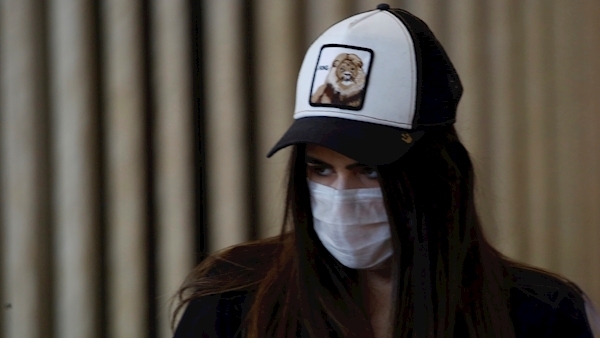
Health professionals only advise people with the virus or healthcare professionals working with the ill to wear face masks.
Immediately stay away from other people and call your GP. Cover your mouth with a tissue or an elbow when you sneeze or cough, throw the tissue away and wash your hands.
Evidence so far shows that for 80% of people with the virus, symptoms are mild. Nobody under 20 has died from the virus so far and deaths have generally occurred in the elderly or people with underlying health conditions. Less than 0.5% of people under 50 have died from the virus but 8% of people in their 70s and 15% of people over 80 who contracted the virus have died. Those with heart disease, diabetes and chronic lung disease appear to be more at risk. The mortality rate for Coronavirus is around 1% which is slightly higher than the mortality rate for seasonal flu which typically kills below 1%. Sars had a death rate of more than 10%.

Coughing, fever, fatigue and breathing difficulties. COVID-19 can cause pneumonia and in severe cases, organ failure.
Coronavirus is currently thought to have an infection rate of 20%. Dr Ray Walley, GP and former president of the IMO, said that generally you need to spend 15 minutes within one to two metres of an infected person to contract the virus.
Schools and the Department of Education have issued information to parents but no schools are currently closed. Washing hands is very important and if a child is ill, phone your GP.
Wash your hands frequently and ask people who are unwell not to visit.

For most people, symptoms will be mild and these people can be treated at home. For those with complications or more severe symptoms, they will be admitted to an isolation room in hospital.
Currently, the Department of Foreign Affairs advises against all non essential travel to China. Those with underlying medical conditions should not travel to China and all Irish citizens should avoid Hubei province at this time.
There are no flight restrictions between Ireland and Italy at present but EasyJet says it will be cancelling flights due to the coronavirus outbreak, particularly "those into and out of Italy".
The Italian government has isolated the towns of Codogno, Castiglione d’Adda, Casalpusterlengo, Fombio, Maleo, Somaglia, Bertonico, Terranova dei Passerini, Castelgerundo and San Fiorano (which are in Lombardy) and Vo’ (which is in Veneto). Irish citizens are advised not to travel to these towns.
If you planned to travel to other countries with active outbreaks — Japan, South Korea, Singapore, Hong Kong and Iran — contact your GP and consult the Department of Foreign Affairs website before travel.
No travel warnings are in place for any other areas at present.

Yes. China has struggled with this. However, if there was a sustained outbreak of coronavirus, elective surgery would stop, so ventilators in operating rooms could be used to ventilate people with the virus. Private hospitals might be asked to help and patients can be manually respirated without a machine.
Cough and hand hygiene should be observed on public transport.
Nobody knows yet. The body would be expected to remember how to fight the virus, but one woman in Japan has now caught the virus twice.















