Examine Yourself: The warning signs and how to reduce risk of lung cancer
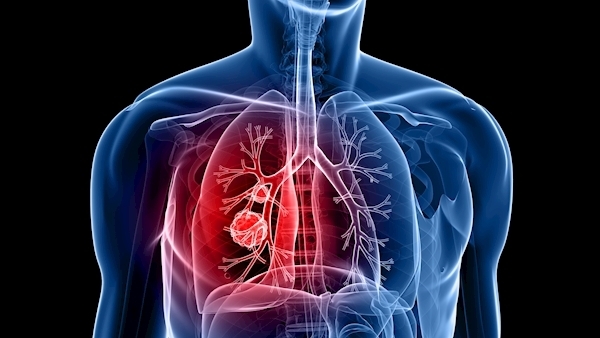
What is lung cancer?
Lung cancer is when normal cells in your lung grow in an abnormal way to form a mass of cells called a tumour.
The lungs are a pair of organs found in your chest.
Your lungs form part of the respiratory system in your body, which allows you to breathe.
What increases my risk of lung cancer?
Smoking causes nearly 9 in every 10 lung cancers.
The longer you have smoked, the greater the risk. Smoking a large number of cigarettes and breathing in other people’s smoke also increase your risk.
Having a parent, brother or sister with lung cancer.
Being exposed to certain chemicals such as asbestos, metal dust, paints and diesel exhaust.
Being exposed to radon gas, in areas where levels are high.
Risk factors increase your chance of getting lung cancer.
Having a risk factor doesn’t mean you will get lung cancer. Sometimes people with no risk factors may get the disease.
What are the symptoms of lung cancer?
• Difficulty breathing, or wheezing
• A cough that doesn’t go away or a change in a long-term cough
• Repeated chest infections that won’t go away, even after antibiotics
• Feeling more tired than usual
• A hoarse voice
• Coughing up blood-stained phlegm
• Pain in your chest, especially when you cough or breathe in
• Loss of appetite / weight loss
• Swelling around your face and neck
• Difficulty swallowing.
These symptoms can be caused by other things, but always get them checked out.
Know the facts
Smoking harms your health, but how? Take a closer look at the risks associated with smoking.

Smoking is the single biggest risk factor for lung cancer. (Find out more about lung cancer)
It is also a contributory risk factor in a number of other cancers.
Your heart is your body’s engine, pumping blood to all vital organs. Smoking damages that engine by:
Smokers are more likely to have a stroke (blockage of blood to the brain or bleed in the brain) than non-smokers. Strokes are a major cause of death and prolonged disability.
Smoking can cause or worsen these serious respiratory conditions. Severe emphysema causes breathlessness, which can be made worse by infections.
Smoking can reduce fertility, and smoking during pregnancy can lead to miscarriage, stillbirth and illness in early infancy.
What is secondhand smoke?
Secondhand smoke is a combination of:
– the smoke that is inhaled and then breathed out by the smoker
– the smoke that comes from the burning end of the cigarette and is far more dangerous than the mainstream smoke inhaled by the smoker as it contains higher concentrations of harmful chemicals
Only a small amount (15%) of smoke from a cigarette is inhaled by the smoker; the rest of it goes directly into the air.
What if I live with a smoker?
Adults and children who live in a smoky home are at greater risk of the following:
The risk of these problems is greatly reduced as soon as the individual is no longer breathing in secondhand smoke.
Smoking in the presence of young children can cause them serious illness and may make them more likely to suffer health problems in later life.
Why are children who share a home with smokers at risk?
Children are more at risk because their immune systems, which protect them from getting sick, are not fully developed
It is more difficult for young children to avoid or complain about secondhand smoke
Children depend on adults to make sure their air is smoke-free.
As a parent, quitting smoking is one of the most important things you can do for the health of your child.
Pregnancy and secondhand smoke

Smoking in the presence of a pregnant woman may endanger the health of the fetus (unborn baby) and mother.
If you smoke when pregnant there is an increased risk of harm to the unborn baby
Smoking when you are pregnant increases the risk of cot death, miscarriage and other pregnancy complications
Smoking around an infant increases the risk of cot death
If you are a smoker
Quitting smoking is the most important thing you can do for your own health.
But if you are not ready to quit smoking you can still protect your family and friends from the harmful effects of secondhand smoke.
If you are not a smoker
Ask your smoking visitors or family members not to smoke around yourself or your children and to smoke outdoors
If someone minds your children in their own home, ask them to keep it smoke-free or not to smoke around your children














