Preserving the past, looking to future
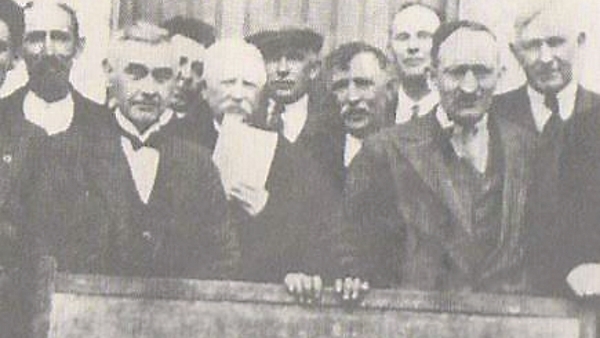
The Dáimh Scoil in Co Cork has been keeping the bardic tradition alive for nearly 100 years. That doesn’t mean it’s afraid of rap and other modern forms, writes
For an Irish bardic poetry school to survive in the 21st century, it must be “living, breathing, and growing”, a flourishing source of creativity, not a dusty remnant of the past.
With this in mind, the annual assembly of Irish language poets and writers, Dáimh Scoil Mhúscraí Uí Fhloinn, edges towards its centenary poised to embrace rap, hip-hop, or whatever diverse forms poetry may assume in the years ahead.
Established in 1925 in Cork’s Múscraí Gaeltacht, the Dáimh Scoil follows bardic tradition and issues a formal poetic invitation to attendees, who may compose in verse an answer to each year’s ‘ceist’ (question), also posed in the form of a poem.
The verse tends towards the topical, ranging from electrification in Cúil Aodha, in its day, to more recent themes involving Donald Trump and the EU. The gathering has also provided a stage for the airing of new songs, the likes of ‘An Poc ar Buile’, ‘Táimse ’gus Máire’ and ‘Na Táilliúirí’ finding their first audiences there.
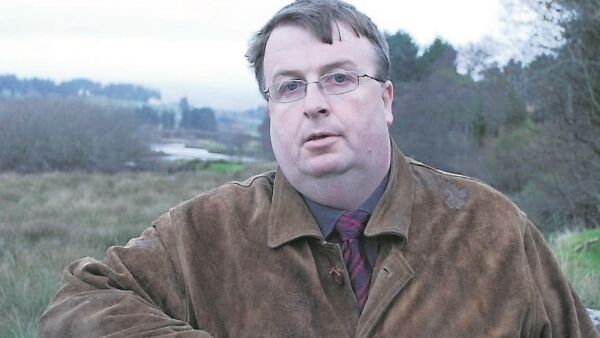
Despite its adherence to Irish literary strictures, the Dáimh Scoil will, according to its cléireach (clerk) Concubhar Ó Liatháin, in future be the richer for its engagement with poetry from different cultures.
We should respect traditions, but that doesn’t mean we should be confined by them,” he said. “We have our own traditions in Múscraí, the lúibín and agallamh beirte [two-person verse forms] but there’s also a new kind of hip-hop thing growing up, and whereas we would like to maintain our traditions, we’d also like to see, if they hit off other cultural things going on in the world, what will happen out of that. It will at least be interesting.
Expanding on its tradition as purely an annual gathering, the Dáimh Scoil recently initiated workshops in Gaeltacht secondary schools with young Dublin blogger and presenter Ciara Ní É.
These, and further spoken word performance events currently in the planning process, are part of a gradual rejuvenation of the Dáimh Scoil which, it is hoped “will give it an energy and will attract younger poets to use the well of inspiration they have here, to get in touch with what they want to write themselves. We have to give them that space and facilitate it and get them interested,” added Concubhar.
“Whether a poet comes leaping and bounding out of some of the workshops we’re doing now, or whether it takes years and years for that to happen, it doesn’t matter, but we need to invest time and energy and imagination in it, and that’s what we’re doing.”
Concubhar, whose late father, Cúil Aodha poet Dónal Ó Liatháin, and his uncle, grand-uncle, and cousins have all been involved in the Dáimh Scoil, has a personal interest in its future.
“I want, as a parent, for my children to use this thing we have in Múscraí [the Dáimh Scoil] which does not exist anywhere else in the same way, to get full advantage out of it. And for that to happen it has to be living, and breathing, and growing.”
He pointed out that it was young men who were the originators of the Dáimh Scoil, founded by Pádraig Ó Crualaoí (Gael na nGael), Dónal Ó Ceocháin, and Pádraig Mac Suibhne (An Suimhneach Meann), whose daughter Betsy Ní Shuibhne now continues the tradition as uachtarán and has been taking the positive message of poetry to children in Gaeltacht national schools.
The ceist composed by Concubhar for this year’s Dáimh Scoil, in Baile Mhúirne’s Abbey Hotel on December 28, puts the focus firmly on the
upcoming generation and the possibilities for change.
“There’s an ebb and a flow,” Concubhar added. “Maybe we’re in a period now where there’s a bit of an ebb because some of our more established poets have died and gone on, so we need to replenish that.
“What the Dáimh Scoil does is provides an audience for poets and provides poetry and entertainment for an audience, and part of that function is to encourage younger poets to come along.
“And unless we get the younger generation involved, the Dáimh Scoil won’t survive.”
CONNECT WITH US TODAY



Be the first to know the latest news and updates