Sex and the City celebrates 20th anniversary
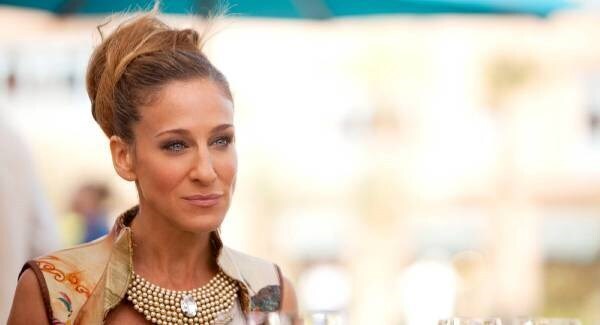
Twenty years on, we recognise that ‘Sex and the City’ didn’t always live up to female empowerment, but it did give us an honest portrayal of female friendship, writes
On the cusp of the new millennium, TV was catapulted into the new century with a revolutionary HBO series. It not only focused on four thirty-something single women, but the word sex featured in the title.

Sex and the City had launched itself, tutu and all, into a ground-breaking chasm of feminism.
With its 20th anniversary this week, does SATC still hold the feminist clout it did almost two decades ago? Some would argue it never held such feminist superiority.
After all, how could these stylised, materialistic women, who spend endless, over-priced brunches talking about sex, be relevant to the feminist psyche? For others, it was the first time female friendship was given precedence. Sure, there had been The Golden Girls or Cagney & Lacey, though comparisons to these shows waft of patronising stereotyping.
The fashion forward style curated by Patricia Field; the endless designer labels and four white privileged women living in a not-so-gritty New York led to the misunderstanding of SATC. This was finally a show that was so much more then that.
It was the first time that complex, strong women were portrayed.
With it came unapologetic discussions between the four innately different characters on subjects that had never been tackled so frankly on a sitcom before. It was a no-holds-barred epic on sex; no position was left unturned.
Despite the glitzy facade, these women were relatable. One of the most asked question of the noughties was ‘what SATC character are you?’ Which isn’t entirely surprising, considering the show was adapted from the true-to-life New York Observer columns by Candace Bushnell.
Bushnell had been navigating the underbelly of single life in Manhattan, relaying her sometimes hilarious, sometimes brazenly graphic and not always pretty, life of dating.
Each unique character gave voice to opinions. You had Carrie, the selfish, yet insecure, writer; Miranda the high-flying cynical lawyer, but loyal friend; bold, say-it-as-it-is Samantha; and the prudish romantic Charlotte.
Each vied for their viewpoint to be heard. We were given balance. The more sceptical Miranda would quickly shoot down Charlotte’s over-romanticised ideals.
SATC has been blasted for characters whose lives revolve around men, work, cosmopolitan cocktails and of course Manolo Blahniks, but isn’t this what makes it real? (OK without the Manolo’s).
Feminists out there may deny that finding ‘the one’ is a goal or at least ever talking about men in the first place, because, after all, wanting to find a partner is handing over power to the male gender.
In reality, this couldn’t be farther from the truth. Let’s be honest, who isn’t looking for that unique connection or as Carrie put it: “I’m looking for real love. Real love. Ridiculous, inconvenient, consuming, can’t live without-each-other love.”
It’s probably not the most feminist of declarations, but it’s honest. In reality, we can’t always be these strong vivacious women taking on a man’s world.
Sometimes, showing a little vulnerability is the real strength and in the end knowing what it is you want in life and pursing this is the real feminism.
Yes, our lives can be fulfilled through work, hobbies, friends and family. Times have progressed immensely over the decades for women. In modern society, we have choice, we can carve a career for ourselves, buy a house on our own without a man; things my own mother wouldn’t have been able to do.
However, there is a truth to the loneliness of being on your own.
I’ve been there. I understood exactly what Carrie felt when she told Charlotte: “I’m lonely. I am. The loneliness is palpable.”
I love you for this. Let us know how it goes! https://t.co/KdbEtaQsGR
— Candace Bushnell (@CandaceBushnell) June 5, 2018
It’s not that I needed a man to define me or to give credibility to my life. Nor did Carrie. It was her first book launch, but like her, I wanted to share my life and experiences with someone. If that’s bad feminism, then shoot me. It’s the ugly truths that we relate to, even if they knock us off our feminist perch.
Then came the ending, which became the beginning of the feminist demise for SATC. Fans had devoured six seasons of the Big and Carrie will-they-won’t-they thing. Big was bad. For the most part, their relationship was toxic, between affairs while each were in relationships, to Carrie’s unrepentant obsession with this man, who constantly let her down.
But Big was Carrie’s answer to Mr Darcy. It was a fairy-tale from that moment in episode 1 when Carrie asked Big if he believed in love.
His reply, abso-fucking-lutley, set up the premise of the show, but feminists don’t believe in fairy tales and so what was once crowned a ‘feminist bible’ crash-landed its golden carriage back to the land of it being just another girly show. I can’t help but wonder, shouldn’t SATC be forgiven for giving us a rose-coloured ending, which, let’s admit it, we were all secretly hoping for: It was Big!
Twenty years ago, SATC broke boundaries. It paved the way for other strong, female-led shows, such as Girls.
Yes, Sex and the City had its flaws. Watching, two decades on, there are notable moments that feel outdated. It didn’t always live up to female empowerment — most of Charlotte’s actions and dialogue are case in point — but without it our TV screens would show a very different picture.
What SATC did so well was give us an honest portrayal of female friendship. With friendship comes empowerment. That’s good enough for me.












