6 foods that could be damaging to your teeth
Dentists have noticed how certain ‘healthy eating’ or weight-loss and detox trends are taking a toll on the nation’s dental health.

6 foods that could be damaging to your teeth

So what are the trends, ‘harmless’ habits and diets causing damage, and what can you do to avoid it?

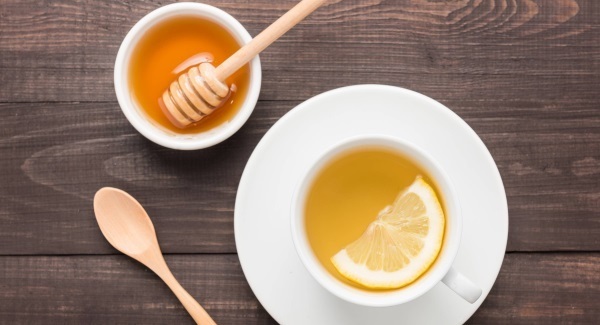
Hot water and lemon

Starting the day with a hot water and fresh lemon is seeing a resurgence, but nutritionist Shona Wilkinson warns: “Lemon juice can cause problems with the enamel on teeth. It is great to have warm water with lemon — but drink it through a straw to help prevent tooth damage.”

Munching ice

Zero calories for a satisfying crunch — but munching ice cubes isn’t as harmless as it seems.

“Some people add ice to their drinks to increase their hydration levels. This is great and anything which increases water intake is good, but don’t crunch or bite on the ice. This is a common habit, but can leave your teeth vulnerable to damage,” says Wilkinson.

“Let the ice melt and sip your drink to help increase your hydration levels.”

Sirtfood stains

One of the more recent celeb-backed trends, the Sirtfood Diet focuses on ingredients rich in ‘sirtuin activators’, said to keep cells healthy when under stress and aid in metabolic function — and coffee and red wine are on the menu.

“Drinks such as coffee and red wine are some of the worst culprits for teeth staining,” notes dentist Dr Sameer Patel.

“This staining’s amplified when consumed on a regular basis, as tannin compounds build up and cause teeth to turn yellowish. To avoid the problem, rinse the mouth with water after consumption, to wash away tannins.”

Fruit smoothies and juices

It’s nonsense to demonise fruit — a vital source of nutrients and fibre — but the surge in popularity of juicing and smoothies has impacted on our dental health.

“Natural sugars can erode tooth enamel and lead to decay,” says Dr Patel. “Fruit’s natural sugar, fructose, is a common cause of cavities as the bacteria in the mouth feed on it, so using a straw and keeping your mouth refreshed with regular glasses of water after consumption, is key.”

Wilkinson adds: “If you do have a fruit juice, drink it through a straw to help prevent this damage. Even better — swap to a vegetable smoothie.”

Bad gums

Consuming too much natural sugar can be a factor in poor gum health.

“To limit damage, drink juices through a straw and try to wait at least 30 minutes before brushing your teeth [after eating/drinking]. It’s also important to ensure you’re brushing teeth up to the gum line, to remove trapped food and bacteria.”

Bad breath

Drastically cutting calories, as well as following a high-protein/low-carb diet, can both cause bad breath — due to chemicals, called keytones, being released when you force your body into the fat-burning state of ketosis (remember when Atkins first got popular and everyone was talking about this?).

Good oral hygiene helps keep bad breath at bay, but if it’s down to your diet, Dr Patel advises: “Ketosis is brought on entirely by your diet and, unfortunately, no amount of flossing and brushing will combat the smell, so think twice before cutting out carbs completely and stick to healthy ones, such as wholemeal pasta and wholemeal bread to keep bad breath at bay.”

x

More in this section

Cookie Policy Privacy Policy Brand Safety FAQ Help Contact Us Terms and Conditions

© Examiner Echo Group Limited