Why Vicky Kavanagh is saying no to alcohol and how you can too

She was only 17.
Now an assistant TV producer with TV3 who rarely drinks alcohol, Kavanagh recalls how she and her friends started drinking around the age of 14.
Alcopops and vodka were the drinks of choice and by the time they hit 16, she says, getting drunk was the norm.
“We’d drink in people’s houses or outside with my peers and I was doing it as well as people outside my immediate social group,” she says.
“Typically, you’d start off the evening with an alcopop if you had the money. Then you’d go on to a naggin of vodka or a shoulder of vodka, which is slightly bigger.
“We could end up throwing up because we were ill from it. Then, sometimes, if you had been sick you’d have a beer or even more alcopops.”
Now 26, the Killiney, Co Dublin, woman rarely drinks, and views her drinking past with dismay.
“I was so silly, so foolish. I woke up about alcohol when I was 17 after I passed out drunk in a field and was found by a friend.
“Anything could have happened to me! I realised that this was a problem and that I had an unhealthy relationship with alcohol.”
Kavanagh cut out alcohol completely for six months after that incident, though she later allowed herself the odd drink. In college, she’d occasionally get “caught up” in the drink culture and drink heavily, but even this was rare, and since her early 20s, she says, she’s had no interest in drinking and rarely indulges in it.
“Now I might go out for a social drink twice a month with a friend. I don’t drink at home or after work.”
There is, Kavanagh believes, an epidemic of binge-drinking among people in their early teens. “They’re becoming normalised. It’s seen as a normal part of adolescence and it’s not.”
Her concern is substantiated by figures showing Ireland is one of the world’s top binge-drinking nations — 75% of all alcohol consumed in Ireland is drunk as part of binge-drinking sessions, according to the Irish Heart Foundation, which kicks off its ‘On The Dry’ campaign this month.
The organisation says 64% of people who registered for the campaign over the last two years were female.
“There is a pressure to get wasted,” says Kavanagh, who believes the pressures on young women to drink are enormous.
“Drinking or prinking (pre-drinking) is the norm now.
“It’s an absolutely necessity for a night out — alcohol is a social lubricant and there’s a lot of pressure for young women about how they look.
“You have a drink before going out to build up your confidence. You think it’s absolutely OK to get drunk because everyone else around you is doing the same thing,” she says, adding that in some cases, the pre-drinking session at a house can go on and on, and girls will end up not going out at all.
Kavanagh stopped because she no longer wanted to wake up with “a banging hangover” and is “focused on other things now”.
Giving up alcohol, according to the experts, means you sleep better, lose weight, eat less, your skin looks better because you’re more hydrated, plus you have more money in your pocket and a lower risk of getting cancer — so what’s not to like?
Yet it’s hard to get this message across in a culture where ‘laddish’ young women expect to match guys drink for drink while at the same time, the availability of sweet alcoholic drinks such as alcopops, designer gins, and ‘on-tap’ Prosecco makes it ever-easier for girls to drink to extremes.
“It’s hard to get through to people in their 20s and 30s about their consumption of alcohol because the habit has become so ingrained,” explains Kavanagh.
“Young people know it’s not good but they don’t care — it’s a problem for another day. If they put on weight they just drink alcohol that has fewer calories — for example, they might have a gin and tonic instead of wine, but that’s just vanity, it’s not being health-conscious.”
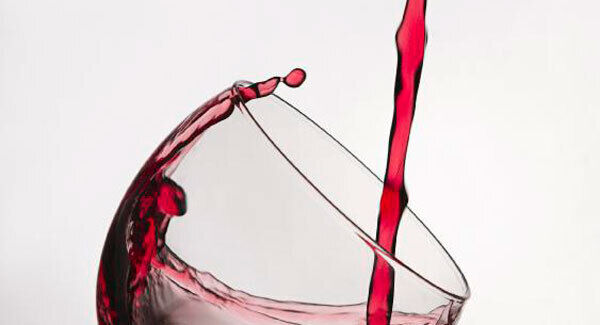
According to Alcohol Action Ireland, teenage girls here are drinking as much, and sometimes more, than their male counterparts.
The result: A rise in the number of young women presenting with serious alcohol-related conditions such as liver cirrhosis. In fact, although women now account for a quarter of all alcohol-related discharges, this rises to an eye-watering 47% among women aged 15 and under.
Maebh Leahy, chief executive of the Rutland Centre, which treats addiction of all kinds, says she is seeing an increasing number of women in their late 20s and early 30s with alcohol problems.
“Years ago it was nearly all men who came to us, but now it is close to 50/50,” says Leahy, adding that cultural changes have seen women gather for a chat over a bottle of wine instead of a teapot and a plate of cake as their mothers and grandmothers would have done.
“Women are drinking more alcohol, more often, and they’re drinking different kinds of alcohol — spirits and pints. Years ago you didn’t see women drinking pints as often.”
On top of that, she believes that the demands of modern life mean many women lead much busier lives, coping with demanding careers and young families — and it’s become the norm for many in their late 20s or early 30s to end a challenging day with a glass of wine or two or even three as a ‘reward’.
“This generation of women in their 20s and 30s have grown up with alcopops and easy access to alcohol,” says Leahy, adding that for this generation, drinking is normal and binge-drinking is a major issue. The habit is giving rise to serious problems.
“We’re seeing liver damage in women in their 20s and 30s that you wouldn’t expect to see until much later in life. It’s testament to the fact that we are drinking so much more now and that drinking starts so very young — we’ve had young women at 18, 19, or 20 coming in with full-blown alcohol addiction who may have started drinking as young as 13 or 14.”
Designer gin and on-tap Prosecco, as well as vodka, are seen as “sophisticated” drinks, says nutritionist Gaye Godkin — but over-consumption, she warns, comes with a significant health cost.
“They are drinking so much more than girls drank years ago,” she says, warning that one of the biggest, and possibly least known problems caused by alcohol is that it destroys a B vitamin called folate, which is equivalent to folic acid, linked with both fertility and brain health.
Godkin worries about the effect on fertility levels by the casual binge-drinking in this age group and younger.
“The ovaries are where all the eggs are. One has to consider what damage is being done to the equipment in the ovaries by this tsunami of alcohol that a lot of young girls and women assault their bodies with. These are long-term issues,” she says.
Alcohol also affects your blood sugar balance. “When you drink alcohol and go to bed, your body is literally up all night detoxing through your liver. This affects your sleep, and going to bed with a tankful of gin or vodka is not conducive to restorative sleep. Most young people are sleep deprived.”
Not only are many alcoholic drinks high in sugar, but alcohol also stimulates us to eat more.
“Alcohol dysregulates the appetite and satiety hormones, stimulating you to eat more — if you don’t hit the chipper that night, the next day you will eat the fry-up for breakfast or drink Lucozade to get your blood sugar up because alcohol lowers your blood sugars and makes you hungry for carbohydrates,” says Godkin.
“You’re looking for energy because you feel fatigued — alcohol also dehydrates you, which affects brain function.
“Even the ‘lite’ alcohols are packed full of sugar so will affect the waistline while pints are very fattening.”
Alcohol is packed with calories. The Irish Heart Foundation points out that just one standard drink contains 10g of alcohol, which amounts to 70 calories.
If you down five standard drinks of a spirit with cola, you’ll consume 765 calories or 11 digestive biscuits worth of calories. Knock back five standard drinks of a spirit with a diet cola or a diet mineral and your calorie consumption is still high — 420 calories or five digestive biscuits worth of calories.
However, there are far more long-term and even riskier implications of over-consumption of alcohol.
Chronic liver disease and cirrhosis, which are caused by the over-consumption of alcohol, are increasingly prevalent among young women, warns Dr Mark Murphy, a lecturer with the Royal College of Surgeons.
“Our hepatology and gastroenterology colleagues have seen a rise in the prevalence of this,” he says, adding that liver disease is a deeply destructive condition which can be fatal.
“Chronic liver disease results in a shrunken scarred liver which doesn’t make the normal proteins that it should make.”
The result, he warns, is an individual who appears perfectly healthy — but only until the liver very quietly reaches its tipping point.
“People can feel very well and very healthy even though their liver is extremely damaged,” says Dr Murphy, though often it’s too late and the effects on the liver of over-consumption of alcohol are irreversible.
“This could manifest in a large amount of blood, a very swollen abdomen, or a person exhibiting mental confusion.
“When this happens it is a sign that the liver is damaged to such an extent that the person’s risk of death in the next few years is very high and unfortunately that cannot be reversed.”
So even though drinking in moderation may have a protective effect, he says, drinking excessive amount of alcohol is very dangerous — it’s also linked to an increased risk of cardiovascular disease as well as cancers of the stomach, the colon, or the oesophagus.
Alcohol can also have a depressive effect, he warns, with evidence also suggesting that excessive alcohol consumption is associated with reduced fertility rates.
Cutting down on alcohol
Now the season of good cheer is officially over, how about cutting down on your alcohol consumption and reducing the effect it has on your body?
- Never drink alcohol on an empty stomach – always have it with food. Research has shown ingesting food before drinking doesn’t just slow the rate of alcohol absorption into the bloodstream, but also lowers the peak concentration of alcohol in the bloodstream.
- Buy a measure says the IHF — if you drink spirits at home make sure you’re not overfilling your glass
- Alternate your drinks between alcoholic and non-alcoholic
- Avoid rounds or opt for a non-alcoholic drink on your round
- Pace yourself — Small sips and savour the drink
- Rehydrate when you are drinking, for example, alternative a glass of wine with a glass of water – this slows down your consumption and rehydrates your body
- Stop drinking early in the night so that you are not going to bed with an overloaded, overtaxed liver
- Understand that you cannot save up your units for a night and avoid binge-drinking because you are assaulting your body with toxins
- Educate yourself about the negative effects of over-consumption of alcohol
- Remember the biology - women simply cannot drink the same amount as men because we don’t have the capacity to detox the same amount of alcohol as men do.
- Space out your drinking advises the Irish Heart Foundation – keep at least three days a week alcohol-free
- You cannot get through the day without thinking about the glass of wine at the end of the day.
- You’re always thinking about alcohol and get irritated or frustrated if you cannot have it.
- You change plans to ensure you can have alcohol.
- You change friends to ensure you can continue your drinking habits.
CONNECT WITH US TODAY



Be the first to know the latest news and updates

















