Science Gallery exhibition shows when design and violence collide

FOR most of us, the word ‘design’ conjures up images of style, sophistication and functionality. Design and its practitioners are there to make the world a better, safer and more comfortable place. But as with all things involving human endeavour, there is a dark side.
It is this murky and sometimes hidden domain that the curators at the Science Gallery’s latest exhibition, Design and Violence, are hoping to explore.

“We felt that designers were always telling a story to themselves and to the public that the role of design was to make a better world,” explains curator Jamer Hunt, Director of Transdisciplinary Design at Parsons, The New School in New York. “While we of course support that we feel there was a more complex story that could be told about the relationship between design and tools of destruction.
“So what we wanted to do was open up a conversation around the real complexity of designing in the world and show how, if design does reshape our world, that it’s not always going to be for the better.”
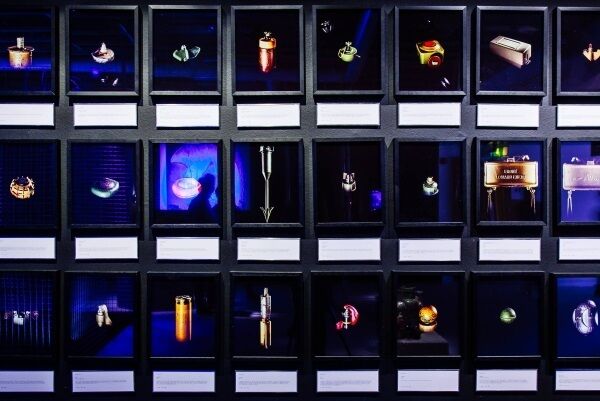
Design and Violence initially ran as a virtual online exhibition curated by Jamer and Paola Antonelli of New York’s Museum of Modern Art (MoMA) which saw a new piece added each week.
The public were invited to comment on and/or discuss each new exhibit and the response was enormous. Jamer explains that about halfway through the exhibition MoMA were approached by the Science Gallery with a view to hosting a show with tangible exhibits. The offer proved too good to turn down.
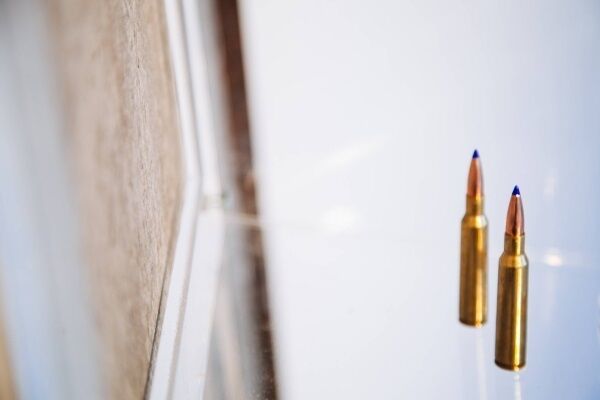
Many of the exhibits are loaded with a heavy sense of paradox. The Green Bullet, designed to be environmentally friendly while at the same time lethal is a perfect example.
“You just can’t avoid the irony that these bullets are meant to kill people but save the planet,” says Jamer. “But in a way it makes sense. They discovered that in some battlefields, the groundwater was contaminated because of the lead from bullets and so somebody well-intentioned and smart came up with a solution. Is it a bit ironic and somewhat ludicrous? Yes it is. But does it make sense? Yes, it does strangely enough.”
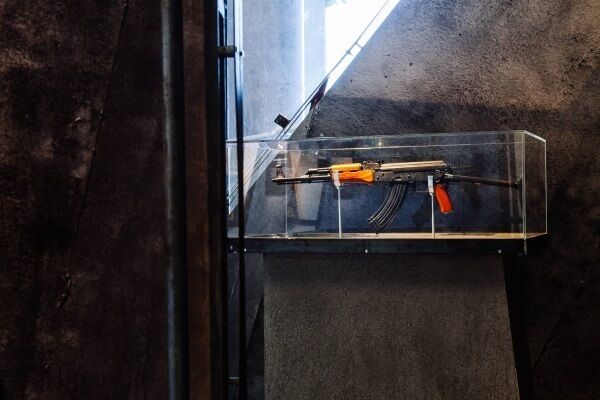
It is for Jamer, a perfect example of designers accepting a reality and getting on with making that reality, however terrible, less harmful.
“What we recognised was a need for more challenging conversations about design,” he continues.
“Human intention is never straight-forward. You may do something with the best intention in the world and it may have unanticipated consequences.
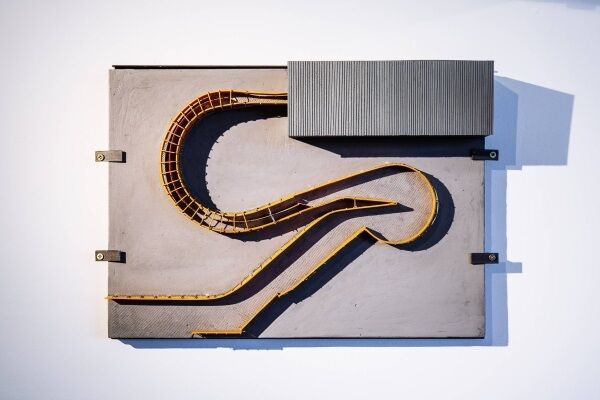
“That doesn’t make you a bad person but it does mean that you need to rethink the assumptions that go into what you do. They do this in public health already and I think design needs to develop that similar sensibility.”
CONNECT WITH US TODAY



Be the first to know the latest news and updates














