Ageing with attitude: Keep that skin glowing by starting from within
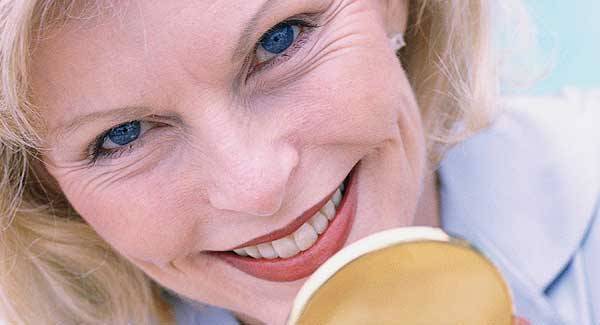
WOULD you give up your favourite glass of wine, cheese, bread or a sugar hit, if you thought it would give you a younger looking face?
That could well be the choice you have to make if you follow the advice of naturopathic doctor and skincare specialist, Nigma Talib, who claims that what we put into our gut, shows up on our face and affects our ageing process.
In her book Reverse the Signs of Ageing, the London-based author (who also has a clinic in Los Angeles, and who has A-list actresses and models among her patients), argues that unless we clean up our act from within, we are fighting a losing battle without — we are, she says, “digest-ageing”.
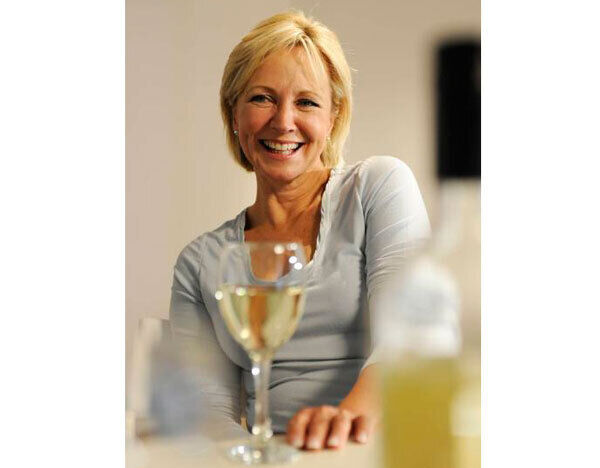
“This might surprise you. You might ask how something that goes on deep inside your body can affect how your face ages,” she tells Feelgood.
“But if your gut is in a bad state then it robs your skin of its nutrients, causes inflammation in your body which speeds up ageing, and affects many of the hormones in your body which also affect the skin.”
There are four what she calls ageing triggers which contribute towards an unhealthy gut and therefore what she describe as digest-ageing — those culprits are dairy, sugar, gluten and alcohol.
Although they may affect each of us in different ways, depending on our constitution, Talib has ‘mapped’ four face types: Dairy Face; Sugar Face; Gluten Face and Wine Face, each with their own tell-tale characteristic which are also visible indications of ageing:
DAIRY FACE
Swollen eyelids; bags under eyes; dark circles under eyes; widespread acne and spots; pale cheeks.
SUGAR FACE
Lines and wrinkles on the upper forehead; sagging under the eyes; spots all over the face; gaunt look to the face; thinning of the skin; a dark grey/ pasty white hue to the skin.
GLUTEN FACE
Spots on the forehead; puffy cheeks and jowels — looking like you have gained weight; redness or red spots on the cheeks; spots or dark patches around chin.
WINE FACE
Pronounced lines or spots between the brows; droopy eyelids; pronounced fine lines and wrinkles under the eyes; dehydrated skin with feathery lines across cheeks; visibly enlarged pores; reddish skin tone; deep nasolabial folds (lines from side of nostrils to mouth).
“The most important thing is the basics —it’s the milk, the dairy, the gluten, the sugar and the wine — and pollutants in the environment. But a lot of people in Ireland may not be aware that gluten and dairy and sugar and wine can maturely age the skin,” says Nigma.
She wrote the book, which outlines a dietary and lifestyle programme which she has been offering her clients successfully, because she wanted to get the message across to a broader audience about pro-ageing from within.
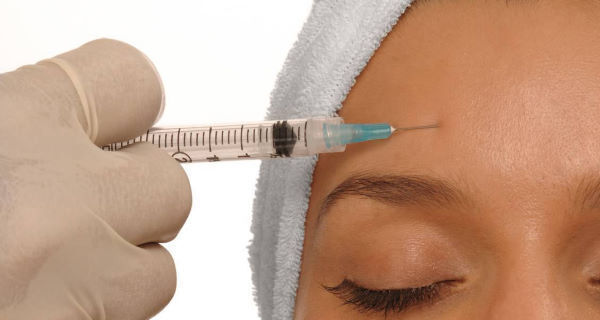
One of its messages is that you’re fighting a losing battle using fillers and injectibles to try and stall the ageing process if your gut is in bad shape:
“The New Old as I see it, is when you see that really botoxed face, where a person has no expression and looks like everybody else,” she says.
“The New Young is someone who hasn’t used those methods and who has that fabulous skin, just glowing, and not pigmented. And all that can be achieved through diet and lifestyle and a good skincare line. That’s all you need.”
With her clients, it didn’t make sense to her for them to be “exhausted on the inside, older on the outside” and “masking both with fillers and paralysing injections”.
By following the regime in her book women see the results in less than three months, Talib claims.

“Women in their 50s and 60s are looking gorgeous by taking care of their diet and lifestyle. As you get older there is skin elasticity loss, fat loss, asymmetry, but all of that is beautiful in its own way as long as you make nutritional assessments to brighten your skin and use the right products.”
So what can older women expect if they use her elimination programme?
“They will notice that puffiness under the eyes will be better, the skin will appear brighter, less swelling in the face, they will be less jowly, or have less sagging skin and they’ll just feel amazing on top of that,” she says.
With the promise of being more youthful-looking, many may start off with good intentions but lose their way — as is human nature.
But Talib warns that nothing good comes without some hard work and promises that those who stick by her programme, are so delighted with the benefits, that they keep returning to it.

“Once you achieve your results initially then an 80/20 rule applies: 80% of the time you’re good and 20% you’re naughty — you have a balance.
"Lots of my clients — 50% are over age 50 — and those in their 70s and 80s feel amazing, much younger, when they do the right things, and when they’re not doing the right things they feel it also.”
Reverse The Signs Of Ageing, By Nigma Talib ND, Ebury Publishing, €11.54
70 Things to Do When You Turn 70, by Mark Evan Chimsky, €10.51
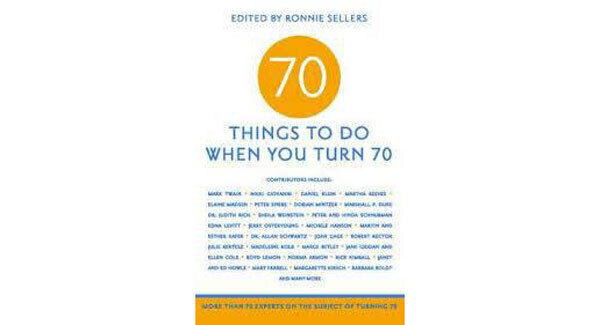
The essays in this book are all quite short — just enough time to follow each author’s thematic point, see it briefly developed and then wrapped up;
perfect to just stimulate your thought processes and then leave you thinking.
We are told they are all written by a diverse group of “notable achievers” over age 70, who have taken on exciting challenges and have “found fun, intriguing, and surprising ways to make their lives rewarding”.
The book follows the popular success of other books in the series like 50 Things to Do When You Turn 50, and 60 Things to Do When You Turn 60, so it sounds like there are plenty of fun and positive ‘oldies’ willing to put pen to paper to urge us all on to do the same.
Finding it difficult to make out what your friends are saying over a cuppa, with all that background noise?
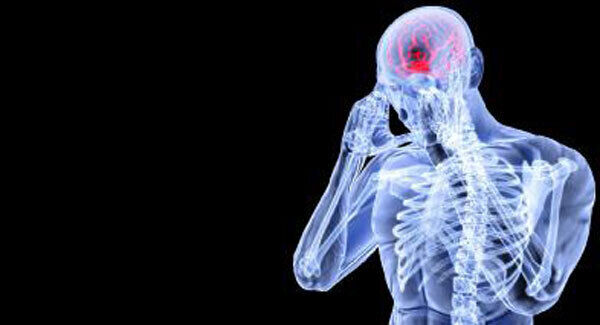
You may be making a mental note to get your age-related hearing checked out, but the problem could also lie with your brain, according to new US research.
A small study carried out at University of Maryland found that, when compared with an average age of 22, older people with the average age of 65 seemed to be less able to process speech, in both quiet and noisy settings.
This was indicated in their brain scans too and the findings suggest that age-related problems with understanding speech are not just due to an inability to hear at certain volumes, but with processing sound in the brain.
"He not busy being born, is busy dying..."
From It’s Alright, Ma, (I’m Only Bleeding) — Bob Dylan, singer-songwriter, Nobel Laureate.
Five make-up habits that can age you http://bit.ly/2dtnGuv
CONNECT WITH US TODAY



Be the first to know the latest news and updates

















