Natural health: Fluid retention and nail ridges
Have you any advice on how to treat fluid retention? It is mostly in my ankles, but sometimes in my wrists and hands as well.
Fluid retention, also known as oedema, can be triggered by a number of things — from excess salt in the body, food intolerances, and hot weather, through to medication side effects and underlying problems in the organs.
The biggest mistake people make when attempting to reduce water retention swelling is to cut back on their fluid intake.
In fact, this has the opposite effect as the water is actually having difficulty getting into the cells where it needs to be, so you can have both fluid retention and dehydration at the same time.
The obvious suggestion is to cut back on foods high in salt, and avoid adding extra salt to your food. Check labels for sodium content, particularly in prepackaged meals, breakfast cereals, and preserved meats.
Kelp is a great alternative to salt as it provides valuable minerals without contributing to the swelling.
Alcohol and coffee are well-known for their diuretic properties, but, in fact, they work by causing the water to be leached from your cells, which further exacerbates the dehydration issue.
Chances are, though, that you are already aware of the salt connection and taking steps to remedy this, or it may well be that you don’t actually consume a great deal of salt in the first place.
Pregnancy is a common trigger for oedema, as is the birth control pill and Hormone Replacement Therapy medication.
As we age, our cells change and so it may be a simple case of the water not being able to penetrate the cellular membranes as effectively anymore.
Fresh fruit, vegetables, leafy greens, nuts, and seeds are important as the bulk of your diet to help with keeping the fluid where it needs to be.
Turmeric is great for strengthening your digestion, liver, and kidneys, and so will help your body to process the fluids. Aim for 6-8 glasses of water (1.5 to 2 litres) daily.
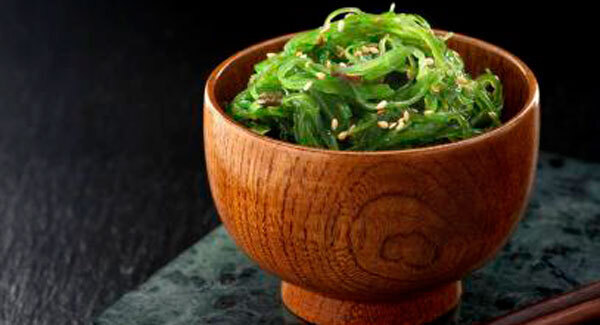
Seaweeds and sea vegetables are wonderful in helping to remove excess fluid, although this is an acquired taste; stick with it, and avoid prepackaged seaweed snacks with heavy salt, flavourings, and seasonings.
Herbs that help include dandelion leaf, celery seeds, and gotu kola. Dandelion leaf adds potassium and gently removes excess fluids.
Celery seeds work to cleanse and tonify the liver and kidneys, also neutralising excess acidity in the body.
Gotu kola works by stimulating circulation in the extremities and helps with lymphatic circulation and drainage as well.
Try to get in at least 30 minutes’ gentle exercise a day.
Resting your legs for 15 minutes or more each day is also important. Keep your feet elevated above your waist to help the fluids to drain effectively.
I have ridges in my nails running up and down lengthways. They seem to be getting worse. What can I do to get rid of them?

Vertical ridges on the nails typically indicate high stress levels and a deficiency in calcium and magnesium. They can also develop as a result of hormonal changes associated with the menopause.
There is also a possibility that your nail health reflects an activity associated with your job — for example, having your hands in water for extended periods of time, particularly if you are also working with chemicals, can weaken the nail bed and cause problems with nail development.
Opt for a whole foods diet, and make sure you get in plenty of beneficial fats and make sure that your protein is high-quality and ‘clean’. Opt for tempeh, nuts, seeds, pulses, legumes, and organic lean meats.
Oily fish is also beneficial as long as it is from a clean source. Silica-rich herbs can help, such as horsetail grass, oat straw, and nettle. Lettuce is rich in silica too.
The organic sulphur supplement, MSM (Methyl sulphonyl methane), is wonderful for nail health, you will typically need around 1,000-3,000mg daily for best results.















