Natural health: Bronchitis and promoting a healthy gallbladder
Bronchitis can be the result of a bacterial or viral infection, and while it can occur at any time, it is far more common during the winter months. This is definitely a case of addressing immune function in terms of doing your best to prevent an infection.
Whether it is the flu that wipes out your mother’s immune defences, or simply exposure to toxins, smoke, or even pollen, the infection can take hold and spread very quickly. Stress doesn’t help, nor does fatigue, or nutrient deficiencies. The important thing is that your mother doesn’t take the matter lightly if she is showing any symptoms of a return infection, and deal with it immediately.

Sugary foods are best avoided, as these reduce the ability to fight off infection — in fact, any refined products, cakes, biscuits, pastries, crisps, sweets, etc, will do more harm than good.
Vegetable soups, broths, casseroles, and the like are ideal foods for your mother to be eating, particularly if she makes sure to include vitamin A rich vegetables such as carrots, pumpkin, squash, and sweet potatoes to support her immune function. Garlic and onion are also important medicinal foods. Garlic is well-known for being supportive of the immune system and helping to fight off infection, and onions are indicated in any bronchial condition.
Quercetin can help with inflammation if pollen, dust, smoke or other environmental pollutants are a trigger factor. This protective flavonoid works along the lines of a natural antihistamine and is found naturally in apples, pears, cherries, grapes, garlic, onions, broccoli, kale, green tea, and even red wine. You can also purchase quercetin as a supplement if need be. This also goes for vitamin A, where it may be beneficial to supplement for a week at a dosage of 25,000iu to give the immune system an extra boost.
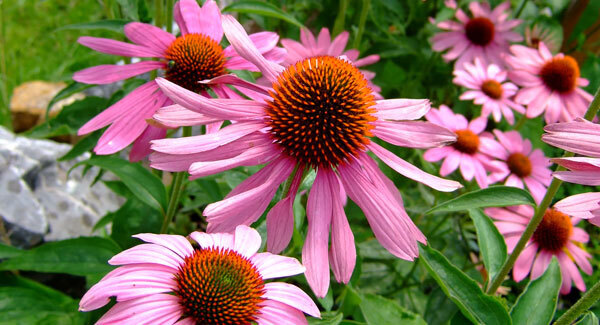
Since you know that your mother is prone to this condition, she may benefit from a regular immune supportive programme with a focus on lung health. Herbs to consider include mullein, wild cherry bark, thyme, elecampane, liquorice root (not if she also has high blood pressure), and echinacea.
Once again, I must stress the importance of taking at least a couple of days of bed rest at any sign of bronchitis, and call the doctor if she is running a fever for more than 48 hours or breathing becomes very painful.
A. The main foods to reduce or avoid when your gallbladder is not functioning optimally are fatty and fried foods. The gall bladder stores bile, which is created in the liver, then passes the bile into the small intestine to help break down fats during the digestive process. What happens is that often the liver becomes overloaded or congested, and then it pushes toxins into the gallbladder, and then the gallbladder is unable to do its job properly.
Alcohol, coffee, and chocolate are all foods that create more work for the liver, whereas beans, lentils, beetroot, celery, and artichokes are all excellent foods for your liver and gallbladder health.
Juicing is a great adjunct to your diet when liver and/or gallbladder function needs some support. Again — celery, artichoke, beetroot, along with apples, parsley, carrots, and leafy greens, are all good choices for freshly pressed juices. You will still need healthy fats in your diet, but it is important to choose them wisely, and use them sparingly. Extra virgin olive oil and flaxseed oil used minimally will help.
Milk thistle or St Mary’s Thistle (Silybum marianum) is an outstanding herbal remedy for liver and gallbladder function. Not only does it work well to support liver health, it improves bile production and flow as well. Take around 900mg daily if you are taking capsules, or choose a tincture (often the preferred choice when it comes to liver herbs) and take as directed on the bottle.













