Natural health Q&A: Repetitive strain and bruising
Tennis elbow is an inflammation of the bursa or sac-like membrane that houses the lubricating fluids of our joints.
This type of condition is generally referred to as bursitis, and can occur in the shoulder, hip, elbow, or knee where it causes tenderness and pain if you put any pressure or weight on the area.
Anti-inflammatory medications and cortisone injections may be offered, particularly when the pain is very severe, however this is a short-term solution and once discontinued the pain will return.
Strapping the affected area is ideal, as this will limit swelling. Obviously, you will need to limit any heavy lifting or repetitive tasks that are aggravating the areas, and it is definitely worth talking to a physiotherapist about stretching exercises that can help with both your elbow and shoulder.
Frozen shoulder is where the muscles, ligaments, and tendons become inflamed which limits movements in the shoulder. Gentle movement will help, as you need to stimulate the blood flow to the area, but do work in conjunction with your physio so that you are helping rather than aggravating the injury.
Minding your diet is helpful for both bursitis and frozen shoulder. Caffeine is not a good idea, since this inhibits our natural endorphin response and promotes further inflammation. Cut back your intake of known inflammatory and acid-forming foods — particularly junk and processed foods. Boost your consumption of essential fatty acids, and anti-inflammatory foods and spices.
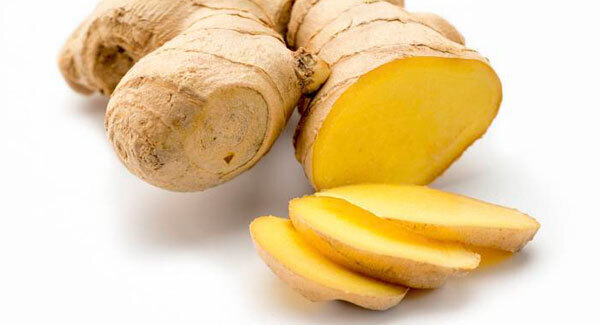
Turmeric and ginger are brilliant, both in reducing inflammation and providing effective natural pain relief.
Supplement wise, you might want to consider both bromelain and boswellia serrata. Bromelain can be found in pineapple, but it is easier to take a measured dose as a supplement. Boswellia serrata is a form of frankincense, not to be confused with the resin that is burned in incense, which helps to reduce joint and muscle pain whether it is due to arthritis or injury.
Cayenne pepper is another great addition to your food if you don’t mind hot spices, but is even more effective when you also use it topically in the form of a heat rub or balm with capsaicin.
Heat packs applied to the area will also bring relief, and if you have a nearby heated pool then this will also help with recovery without risking further strain.
Some people do tend to bruise more easily than others, often due to ageing blood vessels and/or certain medications that they are prescribed. If the bruising occurs without any specific trauma or injury to the site, then it is important to rule out any serious underlying conditions — otherwise, especially since you are both young and healthy, it may well be that you simply need to get some more vitamin C into you.
Foods that contain decent amounts of vitamin C include kiwi, citrus, cherries, capsicum, berries, pineapple, and other tropical fruits. Leafy greens also contain trace amounts of vitamin C along with minerals and nutrients that will help improve your response to bumps and knocks.
A vitamin C supplement is probably a good idea — take 1,000-3,000 mg daily in 500mg increments and if you can, choose one that also contains bioflavonoids for extra capillary support.
As a quick fix you can use a topical haemorrhoid or varicose vein cream/gel, such as Venaforce by A Vogel, to speed up the healing process and help the bruises to dissipate more rapidly.














