5 indicators of thyroid problems
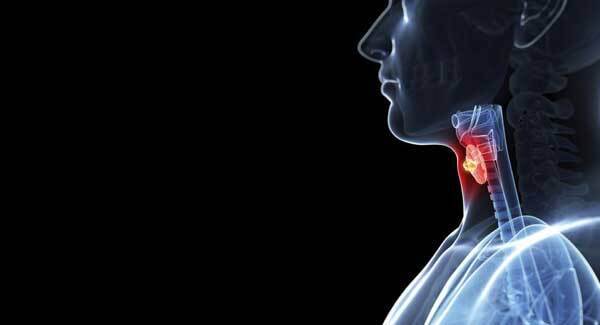
There are a number of conditions that involve the thyroid, with symptoms ranging from vague and mild to chronic and severe, but it’s not uncommon for problems — which mostly, but not exclusively, affect women aged over 35 — to go undiagnosed for some time.
Located in the neck, the butterfly-shaped thyroid gland is an essential part of the endocrine system and plays a key role in keeping your body’s metabolic hormone levels in line, and so is essential across a huge range of functions.
The thyroid also tells your organs what to do and when, so if it’s off-kilter, anything from your breathing to your heart rate, body weight and muscle strength can be affected.
The more ‘familiar’ thyroid conditions include hypothyroidism (underactive) and hyperthyroidism (overactive), but inflammation, enlarged and lumpy nodules can be diagnosed too, as well as, in rarer cases, thyroid cancer.
Because symptoms can be vague, or may creep up over time, it can sometimes be easy not to realise they may be linked with an underlying thyroid problem.
While it’s important to remember that such symptoms don’t always mean there is something wrong, or could be due to something else, it’s always best to get things checked and talk over any concerns with your GP.
Feeling super tired (despite getting ample sleep) or unusually full throttle can point to thyroid problems.
If you’re suffering from hypothyroidism, your body will be affected by an underproduction of hormones resulting in low energy levels, weakness and tiredness.
In contrast, those dealing with an overactive strain may experience a caffeine-like high, complete with racing heart and jitters.
One of the biggest red flags when it comes to the productivity of your thyroid is changes in weight.
When your body has a depleting level of hormones, your metabolism will slow, causing weight gain; whereas those ramped up from an overactive thyroid will become over-efficient, resulting in loss.
The condition may also have an effect on appetite, either decreasing or invigorating it.
We all have good days and bad days but if your mood is all over the place more often than not, you may have an imbalance in your thyroid.
While hypothyroidism can leave some people feeling depressed, hyperthyroidism can lead to anxiety, panic attacks and agitation.
With digestion either stirred by an overactive thyroid, or decelerating from an underactive one, our bowels act accordingly — either leading to an IBS-like state of recurrent bowel movements and diarrhoea or the opposite, constipation.
Overactivity and underactivity of the thyroid gland can result in changes to the hair and skin, as well as the body.
Expect dry patches of skin if you’re linked to hypothyroidism, and oilier skin if hyperthyroidism is your issue.
In addition, hair can become brittle, and hair loss can occur in both cases.














