Food plays a crucial role in lives of those in Direct Provision
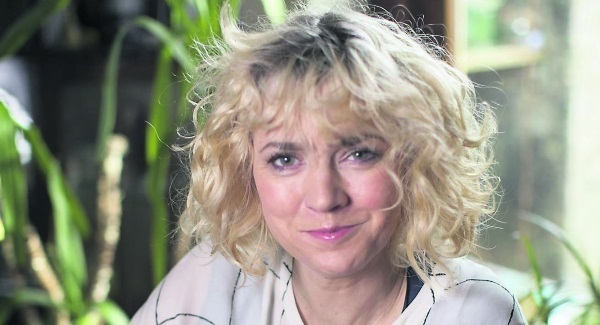
Our Table wants to start a conversation about how we treat asylum seekers in Ireland. Michelle Darmody hopes it will change an unfair system that profits from the pain of others

Food plays a crucial role in lives of those in Direct Provision

I am very aware of the privileges being born in Ireland allows. I am protected by a stable state and a relatively prosperous economic system.

This grants me choice.

I can choose to travel and make my home in almost any country in the world.

Others, through accident of birth, are not afforded such choices.

My pride in Ireland was shaken to its core when I learned about our system of Direct Provision.

Asylum seekers come to us asking for help at their most desperate time. Instead of being offered compassion, they are pushed into a cruel system that strips their autonomy, time and self-esteem.

Their lives are in a liminal state until a bureaucratic system decides their faith and this decision can take years.

Lives are in a state of suspension; children living in dorm rooms with their parents; meals being served in soulless canteens, meal, after meal, after meal.

There is a lack of autonomy and control over one’s life, everything is on hold at the mercy of a slow bureaucratic system.

During this time there is no access to social welfare, residents receive a meager allowance of €19.10 a week.

People come to Ireland looking for help and they are told to wait; wait one year, then two, for some it is a wait of 12 years.

While waiting you have no permission to work and, in the vast majority of cases, you are not allowed to cook own food.

The ability to keep yourself healthy, to choose when your children eat and what is good for them, is taken away.

Our Table started as a project that would highlight this.

It is a two day pop-up café in The Project Arts Centre in Temple Bar, Dublin, a celebration of many cuisines and food traditions from a variety of countries.

Customers can either book for lunch or drop by and have a cup of tea and a chat.

The hope is to build an awareness within the greater Irish population of conditions within Direct Provision centers and to allow a space to open a conversation about change.

To me, one of the darker aspects of the Direct Provision situation is the fact that it is a money-making business; large corporations are profiteering on back of other people’s suffering.

It is not just the psychological aspect of your autonomy being stripped away, but the physical aspect of not being able to keep healthy that wears people down: depression and mental health issues among people living in the centres are up to five times higher than in the wider community.

People can get lost when labels are applied: asylum seeker, refugee, migrant. What do these words mean?

All of these refer to people who are looking for safety, for shelter from violence and a chance to live their lives in peace.

It is easy to shut out the humanity of the situation, the heartbreak of leaving your home, the terrifying prospect of a new country with a language you may not understand.

The Irish Refugee Council have been calling for an end to Direct Provision centres for the past six years. They have offered alternative models that have proven to work in other countries.

The United Nations and international human rights groups have criticised Direct Provision.

The current system is neither cost effective for the taxpayer nor humane. It should be dismantled and a system more considerate of people’s needs established in its place, one where people have the ability to work, to eat healthy food and have full access to the Irish education system.

What is also desperately needed is a time limit on how long people will have to wait. I do question whether I have the right to enter into this debate. I do not claim to speak for anyone but myself and I certainly do not know what it is like for people who have to endure the situation.

I have worked alongside people over the past few months and heard their accounts and I do think it is worth starting a conversation about how Ireland, as a country, makes decisions.

Changing a system is slow, but if you push hard enough and ask others to push with you, you can affect change. At the moment that change may just be in the lives of a few people who enjoy being involved in Our Table and some people finding out a little more about the Irish asylum process. But hopefully that change will eventually be far bigger.

If we all push together we can persuade our government that we are not proud of this system. We can persuade that we are not in agreement with how we are treating asylum seekers that find their way to our shores and that we want to end Direct Provision. Thank you to Ellie Kisyombe and Fiona Corbett who have been among the group who helped made Our Table possible.

The money earned from this article has been donated to refugee services in Ireland.

Our Table will be held in The Project Arts Centre, in Temple Bar on April 5-6 from 12-3pm

x

More in this section

Cookie Policy Privacy Policy Brand Safety FAQ Help Contact Us Terms and Conditions

© Examiner Echo Group Limited













