In the news, online: Ineffective antibiotics
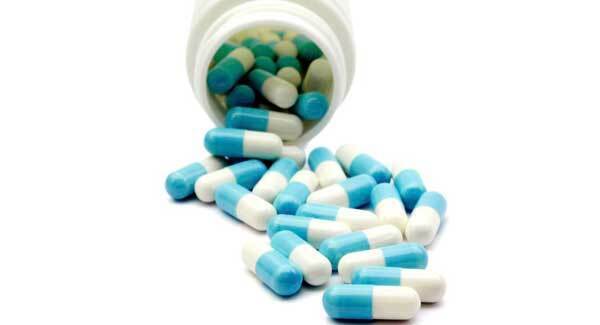
Antibiotic resistance among children with urinary tract infections (UTIs) caused by the infectious bacteria Escherichia coli (E.coli) is high, the study concludes.
Researchers from the University of Bristol and Imperial College London reviewed the results from 58 studies from around the world involving almost 78,000 E.coli samples taken from patients.
“Our findings detail global high-level resistance to some of the most commonly prescribed antibiotics for children in primary care, which could result in several drugs becoming ineffective first-line treatments in many countries,”
Telling someone that their DNA shows they may be more at risk of certain conditions is not enough to encourage them to change risky health behaviours, new research suggests.
Communicating the results of genetic tests as “little or no impact “ on behaviour change, researchers found.
The study, published in the BMJ, saw researchers analyse 18 papers on informing people about their genetic risk estimates of heart disease, some cancers and Alzheimer’s disease.
People can reduce the risk of these conditions by changing behaviours such as stopping smoking, reducing alcohol intake and increasing physical activity.
But the researchers, from the University of Cambridge, the University of Manchester and Imperial College London, found no significant effects of communicating DNA-based risk estimates on changing these behaviours.
Children as young as 13 would seek out online help, ranging from searching for information to looking at websites specifically designed for young people, according to a new survey.
In a Parent Zone poll, more than one in three (34%) would talk to a parent or carer first, while 27% would speak to another person they trusted and 28% would turn to the internet first.
Meanwhile, 36% would tell friends to avoid Facebook if they were feeling worried or upset.


CONNECT WITH US TODAY



Be the first to know the latest news and updates









