Some of the strangest seasonal shenanigans from around the world
Irish Christmas customs are a pick-and-mix of Judeo-Christian practices, Celtic traditions, and transatlantic poultry imports.
With their origins lost in the mists of time, it’s easy to be baffled as to how some of them evolved.
If you’ve ever stopped to question your sanity while dragging a tree into your living room or setting fire to your dessert at the dinner table, take heart: Your seasonal shenanigans are only the tip of the iceberg.
All across Europe, Christmas customs every bit as strange as ours — and some far stranger — are enacted.
The Czech Republic
As if an elderly gent climbing down the chimney isn’t enough of a Christmas miracle, in the Czech Republic, the job of delivering the presents is left to Jeíek — the baby Jesus.
On Christmas Eve, single ladies face away from their front door and throw a shoe over their shoulder; if the shoe lands with the toe pointing towards the door, it’s considered a prediction of marriage.
The Netherlands
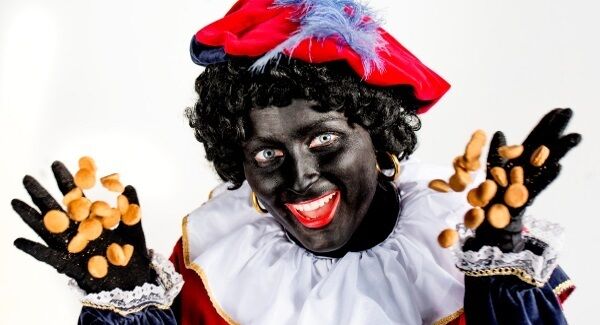
The Dutch Santa Claus is accompanied by a figure who has drawn controversy in recent years: ‘Black Peter’, or Zwarte Piet.
Zwarte Piet is normally played by someone in blackface and depicted as Saint Nicolas’ servant and companion.
They arrive in Dutch towns on a boat on December 8 from Santa’s preferred country of residence, Spain.
Zwarte Piet dispenses cookies and sweets to good children, while bad children run the risk of being abducted in the burlap sack he carries on his back.
Although many Dutch people argue that he is an integral and harmless part of their Christmas traditions, some immigrant communities have argued that he represents a racist view of the world.
In recent years, there have been a number of incidents in which anti-Zwarte Piet demonstrators have been arrested for disturbing the peace.
Norway
It is customary to hide brooms on Christmas Eve in Norway, so that witches and evil spirits don’t steal them to go joyriding.
Spain
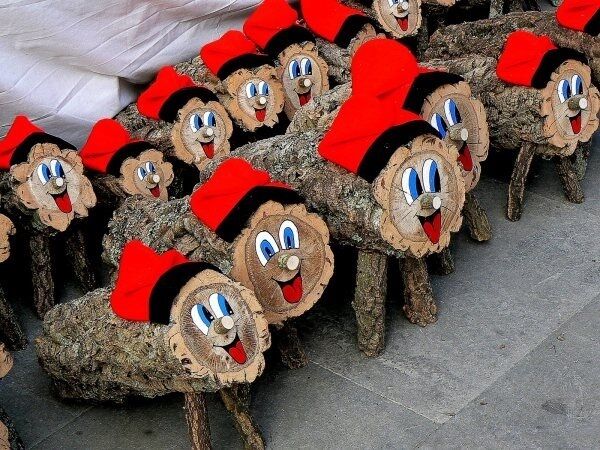
In Catalonia, a hollow Christmas log with a painted-on face called ‘Tio de Nadal’ or ‘Caga Tio’, which means ‘Poo Log’, is filled with sweets and gifts each evening from December 8.
On Christmas Day, children beat the log with sticks, encouraging him to poo their presents.
They sing him a song (presumably as an aid to digestion) which goes: “If you don’t poo well, I’ll hit you with a stick! Poo, log!”
Iceland
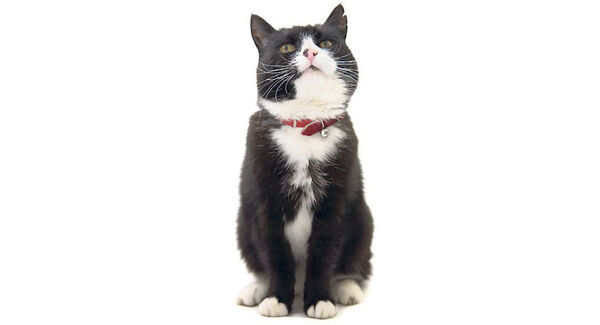
In Iceland, a giant cat prowls around during Advent and preys on anyone who doesn’t receive new clothes for Christmas, eating them.
If you’re not fortunate enough to have any new clothes for the festive season, you’re said to “end up in the Yule Cat”.
The Yule Cat is said to be the pet of Grla, a hideous ogress who eats naughty children, and her 13 sons, known as the ‘Yule Lads’, who distribute gifts to good children during the Christmas season.
Italy
On January 6 , the last of the 12 days of Christmas, Italian children receive a visit from La Befana, an old witch on a broomstick who, like Santa Claus, rewards good children with gifts and leaves coal for those who have made the naughty list.
Austria
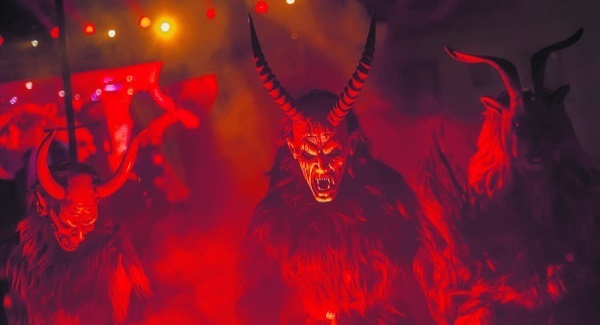
In one of the more terrifying tales from Alpine folklore, Krampus, now popularised in the comedy/horror movie of the same name, is a kind of anti-Claus; a horned devil character who will punish those who are bad at Christmas, freeing up Santa to do all the nice bits.
Krampus punishes children by eating them, whipping them with birch twigs, or even transporting them to hell, so be good for goodness’ sake!
Krampusnacht is celebrated on December 5 with the Krampuslauf, a parade of adults who dress up as the Christmas beast and drink Schnapps.
Denmark
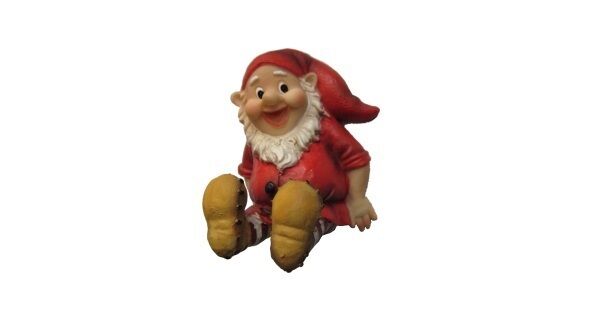
Nisse is a Christmas elf who takes offence easily, and is prone to pranks that take a decidedly sinister turn; his ‘jokes’ can include breaking things or putting them upside down. One story even involves Nisse killing a cow.
Small wonder, then, that Danish children leave out a bowl of porridge on Christmas Eve to appease him. A ‘hangry’ Nisse would be catastrophic.
Bulgaria
In Bulgaria, as in several other Eastern European countries such as Lithuania and Estonia, it is the custom to leave out any leftovers after the Christmas dinner in case any hungry ancestors should happen by.
Greece
Kallikantzaroi are Greek Christmas goblins who live underground, only emerging for the 12 days of Christmas, when they rampage around at night wreaking havoc.
They are thought to be quite stupid; one customary way of keeping them at bay is to leave a colander on your doorstep.
The Kallikantzaroi can’t count above two, so they will sit on the doorstep attempting to count the colander’s holes until the sun rises and they have to retreat to protect their subterranean skin from the daylight.

CONNECT WITH US TODAY



Be the first to know the latest news and updates














