Dr. Bernadette Carr answers your questions on head lice and dry eyes
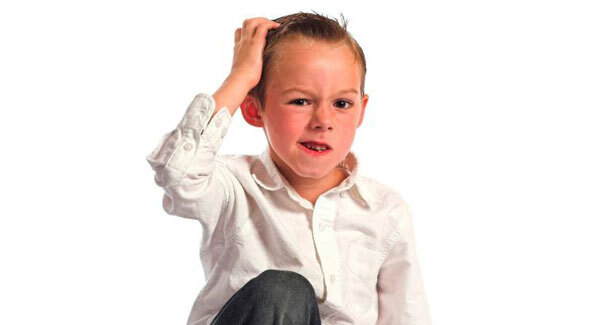
Head lice are very common and with treatment they will usually clear. Head lice are caused due to infestation by the insects Pediculus capitis. Although most common in children, they can affect people of all ages.
Head lice are tiny insects which cling to strands of hair and are passed by hair-to-hair contact. They are not a sign of either dirty hair or poor hygiene. There may be no symptoms, as not everyone will develop an itchy scalp.
It is not always possible to see the head lice or to prevent getting them, but checking your children’s hair by ‘detection combing’ regularly, perhaps once a week, could be useful. This is easiest to do when their hair is wet:
* Wash and condition the hair using their regular shampoo and conditioner. Leave in the conditioner.
* Comb the hair with a regular hair comb.
* Using a detection comb — available from your pharmacist —put the comb into the roots of the hair so that it is touching the scalp.
* Draw the comb through the hair from root to tip making your way around the head.
* If you find any lice on the comb either clean it with a tissue or rinse under the tap before checking the next strand of hair.
* When the check is completed, rinse out the conditioner.
It is difficult to prevent anyone getting head lice but if you do detection combing you will at least find the lice at an early stage. If you do find lice, check the hair of everyone in the family. Your pharmacist or GP can advice on an appropriate treatment. This should only be used to treat the lice and not as a preventative measure.
Having dry eyes is common, particularly as we get older as the production of tears tends not to be as efficient as we age.
The eyes are protected by a tear film which consists of three layers – outer, middle and inner. Behind these is the lacrimal gland which produces a watery film – tears – which, when you blink spread over the front of the eyes keeping them moist.
Dry eyes can happen to anyone at any age but is more common in people in their seventies and in women more than men. Reasons for dry eyes include:
* Age.
* Diuretics, antihistamines, some antidepressants and beta-blockers can have a side effect of causing dry eyes.
* Dry eyes are associated with some illnesses including rheumatoid arthritis and connective tissues disorders.
* Inflammation of the eyelids.
* Reduction in tear production.
Treatment for dry eyes includes artificial tears or eye ointment and good hygiene will also help.
Your grandmother could use a warm compress to help produce more moisture in her eyes and remove the crusts in her eyelids.
Boil some water and let cool to a warm temperature. A face cloth can then be soaked in the warm water and then placed over closed eyes for about 10 minutes or less if the water gets cold.
I would advise that your grandmother makes an appointment to see her GP who can examine her eyes and find a reason for the dryness. It would be useful if she brought along all medications that she is taking both prescription and over the counter.
If your grandmother experiences a worsening of her symptoms or a change in her eyesight, then she needs to seek urgent medical assistance.








