How to find a great au pair for you and your kids

THERE was the au pair who put the children’s clothes away half-damp, the one who sat between the parents every night watching TV, and the one who came to get away from her family in France.
Parenting websites abound with ‘horror’ au-pair stories. Around 10,000 families in Ireland use au pairs. It can feel like crossing a frontier, inviting an unknown young woman from another country into the bosom of your family to look after the people most precious to you — your children.
While the financial outlay per week can be modest — €130 for 40 hours of work — your best investment is in choosing your au pair. Should you go online or go to an agency?
Au-pair websites are inexpensive and can give you access to scores of girls eager to live with an Irish family. An agency can charge up to €1,000 for a year’s input, but they will do the vetting for you.
AU PAIR AGENCIES
Julie Kelly is owner of the Au Pair Study Agency, which charges families €600 a year — for this they can get as many placements as they need.
“We have partner agencies in every country we work in and they screen and interview the au pairs,” Kelly says. Have realistic expectations. “An au pair is not a replacement for qualified childcare. She’s not a stand-in parent. It’s really important her role is understood as a supervision/ companionship one. I would add that anyone with a newborn should wait until the baby is at least six months before getting an au pair.”
Families should choose a girl with a personality that suits their dynamic. “Some girls are vivacious and active and creative with the kids. They’re from a family of siblings and are used to the chaos that comes with children.
“We also see a lot of introverted, calm souls, who’ll often pick a rural family — on a farm or in a village. It’s the difference between an au pair who’ll be joining the local GAA team or is upstairs reading a book.”
Finding an au pair who is in sync with your parenting attitudes is important.
When families interview potential au pairs via Skype, Kelly encourages them to ask questions that elicit information: ‘Why do you want to work with children’? ‘What would you do if one of the children had a tantrum, if one of them was sick’? ‘How would you handle discipline’? ‘How many hours of TV a week do you think they should watch?’
SIX CHILDREN, FIVE AU PAIRS
Jen Hogan, a mother of six children aged from 13 years down to 18 months, has had five au pairs over the past four years. “For me, it was the most flexible form of childcare. Plus, I don’t have family living nearby,” says the south Dublin-based civil servant, who works in the mornings.
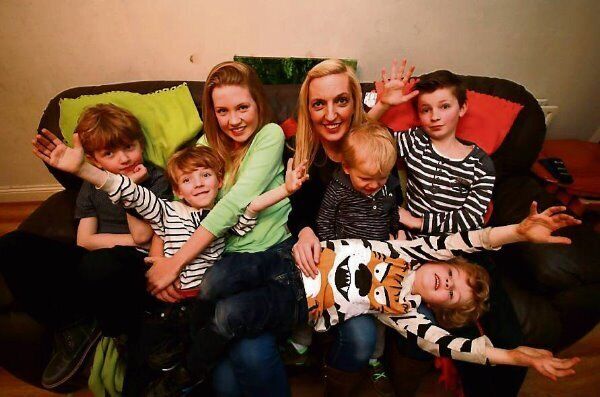
“It’s handy to have someone here for the last 10 minutes, before I leave for work, to make sure the children get off to school okay. She accompanies them to school and I can leave earlier for work and beat the traffic.
“I like having someone at home with the baby — he’s in his own surroundings, in his own cot, and with his toys around him. I’m home in the afternoon, so she isn’t overwhelmed. She gets a break for a little while and then comes back to help, if I’m taking the boys to kung fu or swimming — she sits with the younger ones, so I don’t have to load all the kids into the car. She gives me a hand with bedtime and bath-time, when my husband plays football once a week.”
Jen and her husband, Paul, never choose an only-child as an au pair. “Our house is a busy one. There’s a lot of coming and going — it’s a big adjustment if you have no brother or sister. We look for a girl who’s involved with her extended family — Spanish girls generally have had a lot of exposure to cousins. They like being the centre of a busy family.
“Age is a big factor, too. The au pair has most responsibility with my 18-month-old and four-year-old. I’d never take anyone under 21. In an ideal situation, I like somebody whose preferred career involves kids. I had an au pair who wanted to be a kindergarten teacher. She just slotted right in. She did arts and crafts with the children — they adored her.”
Dos and don’ts of picking an au pair
Aisling, mum of three children aged seven, five and three, has had several au pairs. She says:
Check references — more than one and not from a family member. Take references from former employer, teacher or family for which she babysat. Focus on her reliability, responsibility and personality. “With my first Spanish au pair, I was lucky she’d been with an Irish family. I was able to get a reference from her former Irish host mum.”
Be clear what you’re looking for. “I look for someone aged 25 or older, with full driving licence, who wants to be an au pair for 12 months.”
Look for someone who has experience with children or as an au pair. Choose an au pair who would like to later work with children. “The only au pair I had who didn’t work out had been a dental hygienist in Germany, and announced after one week that she didn’t want to mind children.”
Educate yourself about the au-pair role. Guidelines on what’s acceptable are on www.aupair-world.net.
Email important information. Include hours of work, a typical day with your family, and babysitting requirements — this can prevent misunderstandings.
Have a few phone calls with them. Do a couple of calls by Skype, first on your own and then with your children. Show them the house, their room and the surroundings.
If you need them to drive as part of their daily duties, ask for a copy of their driving licence. Also, check with your insurer about related costs.
Once you’ve reached an agreement, ask them to forward flight confirmations, if they’re not already in Ireland. “Until they’ve booked their flights, they are not definitely coming.”
Send information about English lessons — most want to improve their English. “It’s a great way to meet friends here and a good social life can make all the difference.”
Be patient if they ask lots of questions. “I’ve had two au pairs who came to me from bad experiences with other families, where they weren’t paid or were expected to buy their own food. Remember, they may be cautious for good reason.”
Offer references for you as a family. “Once I’ve reached agreement with a new au pair, I put her in contact with some of my former au pairs, so she finds out more about what it’s like to be an au pair with us.”
CONNECT WITH US TODAY



Be the first to know the latest news and updates

















