When staying put can break your heart
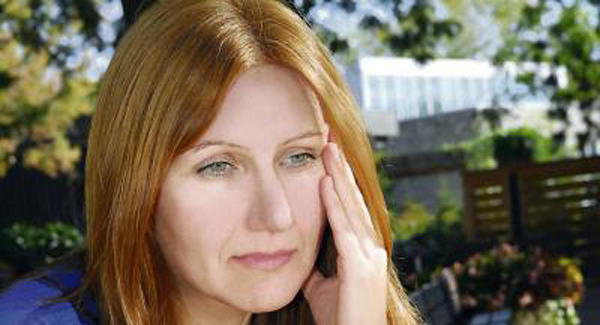
Staying in a bad marriage at any age is unhealthy, but the risk of developing heart disease was much higher in older people who suffered on, compared to those in happier relationships, the research suggests.
Sociologists at Michigan State University who studied participants aged between 57 and 85 said the effects of a bad marriage — particularly when one partner was critical or demanding of the other — had more significant impact on the wife, possibly because women tended to internalise their negative feelings.
And since our immune system declines as we age, heart issues due to marital stress are more severe — all the more reason, they say, why older couples in poor relationships should receive marriage counselling.
The result of the study comes as no surprise to Professor Ted Dinan, head of the Department of Psychiatry at UCC, who says that living in an unhappy marriage radically increases the rate of depression in middle-aged people, particularly in women.
“It’s now unequivocally established on the basis of large-scale studies that if someone has a depressive episode, their risk of having a heart attack in the subsequent decade is dramatically increased,” he says.
“But if you’re living in an unhappy marriage — even if you don’t have full-blown depressive syndrome, but are minor depressed with a few symptoms, that does increase your risk of heart disease above and beyond an individual living in a reasonably happy environment. There is no doubt about that.”
And do women suffer more in bad marriages as the study suggests? Do their hearts ‘break’ because of the emotional disturbance? “It’s an interesting question,” says Dinan. “We know women are more prone to depression than men. Some other psychiatric disorders are more common in men — but depression is more common in women. The evidence would suggest the negative effects of depression on the heart are equal among men and women but because there is more depression among women, the impact is bigger among women.”
So how do women cope? “They end up not enjoying many of the aspects of life you would normally get pleasure from — even outside the home, because they are living in a miserable home environment,” he says.“They may end up worrying more, being more anxious. And if someone is living in an unhappy scenario like that, their diet is bad and if they crave sweet things and carbohydrates they put on weight which also increases their risk of heart disease.”
Another factor, he adds, which puts the heart under pressure is that stress hormones may be elevated which then affects how the immune system operates.
The impact of stress and lifestyle habits is also spelled out on the Irish Heart Foundation’s website, in a report entitled ‘Stress and Heart Disease’, which mentions how psychological factors such as marital stress are hard to measure because they are so subjective.
In the US study, however, the project included survey questions about marital quality, and lab tests and self-reported measures of cardiovascular health such as heart attacks, strokes, hypertension and high levels of C-reactive protein in the blood.
Anne Mathews, a psychotherapist who counsels couples at the Mind and Body Works clinic in Dublin, says quite often a marriage isn’t working because of one partner being so critical, a point made in the Michegan research. “As a result the partner being criticised is continuously on high alert — waiting for the next attack. If a bad marriage is abusive — whether psychological or physical, the partner at the receiving end is always anxious and looking out. It’s like PTSD — the stress takes its toll on their immune system. It’s like the trauma from a war zone and behind many doors around the country there are quiet war zones going on.”
Many older couples in Ireland still feel there is a stigma attached to going to counselling, says Mathews, so they suffer on. But sometimes those living “parallel lives” within the home are hit by a significant life event — like a death in the family, or illness — and it can bring their relationship into focus. “It can bring the couple into counselling and they pull together or they fall apart.”
Ideally older people should seek help, she says; there is always the hope of change. Whether that means staying together in a new way, or going their separate ways, each option is more honest than staying locked in a relationship is literally heart-wrenching.
CONNECT WITH US TODAY



Be the first to know the latest news and updates

















