Taking on the tartan monster of Scottish national identity
BRAVEHEART, The Proclaimers, Billy Connolly: Scottish identity as reflected in pop culture and the media may seem fairly robust and distinctive. Yet in the lead up to next week’s referendum, a loose assembly of artists, writers, musicians and performers called the National Collective have been touring Scotland, drumming up support for the ‘Yes’ vote by using their creative talents to forge a new national identity for their dream of an independent Scotland.
Euan Campbell, 26, a student and musician from Edinburgh, is a founding member: “The National Collective is, essentially, a platform for people to share and spread their ideas,” he said.
He described sitting down with Ross Colquhoun and Andrew Barr back in 2011 and drawing up a document detailing their aims. “From then on the ball was very much rolling,” he said. “It was just a case of getting in members and sharing ideas. We now have over 3,000 members.”
Euan toured for 34 days with the Yestival, a National Collective based arts initiative which travelled the country during July. “One stand-out response we had was actually from a no voter in Falkirk. She came up to us and said, that was fantastic, I’m still voting no, but what you’re doing is incredible!”
Irish people can empathise with the struggle for cultural realisation; prior to the 1916 rising there was an upsurge in nationalistic creative output, from reworkings of old myths and legends to a revival of interest in Irish music and language.
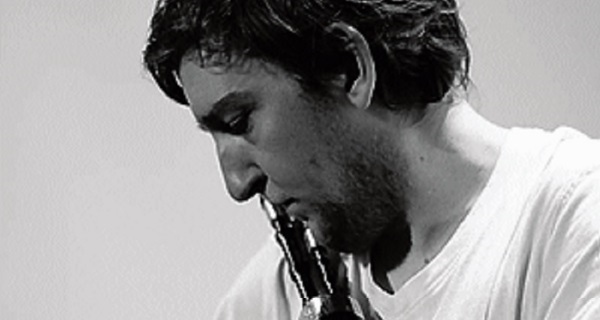
Euan, who plays the Scottish small pipes, has always felt a divide between his experience of Scottish culture and the national identity portrayed in the media.
“The bagpiper on Prince’s Street might be nice for the tourists but isn’t actually representative of what is actually happening in Scottish culture,” Euan said. “I’ve grown up in that environment, seeing myself not being represented in my own country through the media.”
Whatever the merits of independence versus union, it’s clear that the National Collective reflects the presence of a generation that has grown up feeling disenfranchised. Adam Sutherland, 34, a musician from Loch Ness who has performed at National Collective events, can pinpoint exactly when he began to imagine an independent Scotland. “When we invaded Iraq; that’s when I became disillusioned with Westminster. I realised that there was no real alternative, that there was really very little difference between the Labour and Tory parties.”
The social-media-savvy young people of the Scottish Yes campaign have been using the internet to spread their message in response to a perceived lack of representation in the traditional media. “We’ve seen a huge rise in social media in support of independence,” Adam said. “There’s change going on, people are looking elsewhere; thank God for the internet, to be honest with you.”
A proliferation of Yes-friendly Twitter accounts have been active. One account, @HillsHaveAyes, tweets pictures and video of the Scottish landscape with ‘Yes’ banners displayed in prominent locations.
Beautiful sunset over the Clyde. How could we possibly improve on that? Easy, stick a big #VoteYes on the hill! :D pic.twitter.com/X1wzPADj46
— The Hills Have Ayes (@HillsHaveAyes) September 8, 2014
All of the Yestival performances are available on soundcloud, an impressive archive of material in its own right. Displaying a Yes badge on your Facebook profile picture has become a popular way of showing support for independence.
Euan was keen to stress that the new Scottish identity is based on a modern, inclusive form of nationalism: “We’re nationalist in the sense that we’re trying to form a State. We’re nationalist in the sense that we believe that there’s a culture. We want our voice represented on the international stage; that’s certainly not an insular thing. That’s about democracy, that’s about having power closer to the people.”
Adam believes that whatever the outcome, Scotland’s peaceful attempts at self-determination have been of global significance. “Peacefully winning your independence by at the very worst arguing about it in the pub, when the rest of the world is fighting for such things, will be such a great example to the world,” he said. “I know everyone here is really proud to be a part of this.”
CONNECT WITH US TODAY



Be the first to know the latest news and updates

















