Body image a heavy burden for women
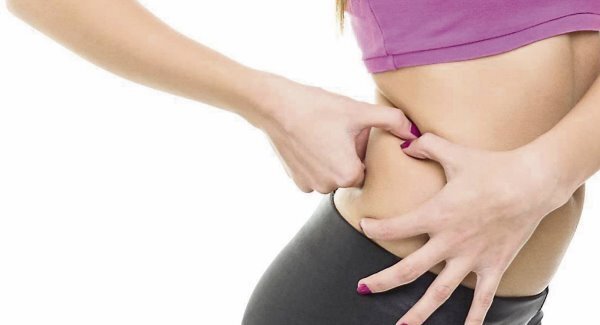
All three have recently been subjected to societyâs sense of entitlement to comment on, and criticise, what is most personal to a woman â her body.
Blanchett reportedly found it âa little bit rudeâ and âa bit annoyingâ when a cameraman filmed her from head to toe. Looking a woman âup and down like thatâ made her âfeel like a piece of merchandiseâ.
One-time plus-size model, Renn, has shrunk to a size 12 âher skinnier frame has generated an outcry. Millicanâs choice of dress for the BAFTA awards was criticised by Twitter trolls, who said she looked like a nana and that her dress was âdisgustingâ and âmade out of curtainsâ.
With womenâs bodies under such unashamed, relentless, and cruelly exacting scrutiny, itâs little wonder so many obsess, asking: âAm I tall enough, thin enough, tanned enough?â
âWomen have totally absorbed the cultural idea that their primary value is to be sexually attractive and available. You could be a lawyer, but you have to be a pole-dancing lawyer, because the first rule is to look sexy,â says dancer Marius Griffin, who grew up in 1970s California, where her family had a dance studio.
âI was really aware of the emphasis on what you look like. I saw amazing performers, but they didnât look ârightâ,â says Griffin, who practised severe dieting from the age of 11. âI really did have a very negative self-image as a young woman.â
In Ireland, a 2012 survey commissioned by DĂĄil Na nĂg found body image was a burning issue for young people. Seventy-seven percent ranked it as important to them, 43% said they were dissatisfied with theirs, and 60% said they felt pressurised to look good for other people. Girls (70%) were more likely to say this than boys (46%). Fifteen-year-olds were least satisfied with their body image.
Bodywhys CEO Jacinta Hastings says marked over-concern with body shape, weight and size, coupled with low self-esteem, contributes to onset of eating disorders.
According to Department of Health figures, up to 200,000 people in Ireland may be affected by eating disorders, with anorexia estimated to affect one 15-year-old girl in every 150. Up to 10% of cases occur in under-10s.
âModern media plays an enormous role in shaping what we consider attractive and acceptable,â says Hastings. Yet many of the images are unattainable, unhealthy and value-laden.
âHigher value is placed on being thinner, with the expectation of having a better life and being a better person. For anyone vulnerable, inadequate or unhappy with their body image, these distorted messages can be extremely difficult to manage and put in context. Particularly for young people, it can be difficult to make realistic comparisons.â
Marie Campion, director of Marino Therapy Centre and author of Hope: Understanding Eating Disorders, would put a health warning on air-brushed pictures of bikini-clad celebrities. Sheâs against âsize-ismâ, the obsession with thinness for health reasons.
âWe worship thinness. We see people in terms of size and numbers. You hear very skinny mums saying âI want to lose 2lb for health reasonsâ. Weâre so brainwashed. Or people say âI shouldnât eat that. I was bold. Iâm terrible âIâve put on weightâ. When you put on weight, youâre not terrible âyouâre just not listening to your body,â she says.
Campion says women judge their bodies and make war on them. Instead, she recommends âlearning to reconnect with your body, seeing it as an instrument not an ornament, as a miracle, a companion that can give you wonderful experiencesâ.
When Renn scaled down several sizes, most of her critics were women. âWomen are both the enforcers and the victims,â says Griffin, who hears from colleagues in offices that lunchrooms are hotbeds of self-hatred. âWomen are constantly assessing themselves by what weight theyâve gained or lost.â
She recalls attending a concert where a pop singer with a âtiny, non-existent, flat bellyâ lamented that sheâd eaten too many Cheetos. âI thought: âoh God, every 16-year-old girl is going to leave tonight upset because sheâs not like herâ.â And, of course, thereâs a lot of money in the self-hatred industry â annually, in the US, $88bn (âŹ65.5bn) is spent on diet products.
According to the 2013 Headstrong My World Survey, children and adolescents spend up to six hours a day looking at screens (one-third of this is on ads). On average, people see 3,000 media images per day. Instant online communication â via social media â contributes to our obsession with body image.
âSelfies, when people are obsessed with appearance and spend hours looking for pictures of themselves at their thinnest, not only contribute to eating disorders of others, but also keep the person stuck in their obsession,â says Campion.
Hastings, too, says it is trendy to put up personal pictures inviting commentary, endorsement and support from an online, mainly anonymous community. âComments are often negative, inappropriate, suggestive, and of a sexual nature,â she says.
As modelsâ body sizes shrink, our ability to see beauty in the human body is shrinking, too. âWe need to ask âwhat is beautyâ?â says Campion. According to newspaper reports, Renn is asking: âWho says that you â whoever you are â can say what beauty is? Why do you get to decide whether someone is beautiful or not?â Millican reportedly asked: âWhy does it matter so much what I was wearing? I felt wonderful in that dress.â
Campion points to the voluptuousness of Renaissance women â a shape then considered beautiful â and urges women to use fashion as a creative expression of self. She asks when last we saw an international fashion show representing all different shapes and sizes.
âIf these designers are so talented, why arenât they dressing all body types? Is it lack of talent or is it their securities coming through?
âA lot of models look like someone from a concentration camp. Weâre experiencing an emotional famine. In an age of information overload, we donât reflect and our self-esteem drops.
âWe sculpt the body and not the spirit. The Romans believed a healthy body is a healthy mind. We forget the body is the home of the spirit,â says Campion, who says we are balanced when we think about life and says young people lack passion, yet are obsessed with appearance.
It wasnât until Griffin became pregnant at 25 that she began considering her body from a health perspective.
âI changed from viewing myself in terms of âam I appealing to othersâ to âam I healthy?â If a mother evaluates herself based on her appearance, her daughter will do the same. I stopped dieting â the first three years were tough, but Iâve never stepped on a weighing scale since, outside of a doctorâs office. I never allowed my daughter to look at her body as I did mine. Sheâs 22 now and pretty fierce,â says Griffin, whose second daughter is 11.
Until two years ago, Griffin worked as a dancer, embracing tribal dance (âthe folkloric side of belly dancing,â she says). âIâm a woman of size, but I have a great relationship with my body. I donât support the idea that women should think of their primary value in terms of what they look like.â
Believing weâre all born to move and dance, Griffin worked in a dance form that allowed as many people as possible to stand up and show themselves.
âThe first principle was to stand up with pride and strength, rather than pander to an audience. When I stood up and didnât let people make me feel ashamed of being a larger woman, it enabled other women to say âif Marius wonât take that, I wonât eitherâ.â
At 48, does she worry about her body being on the cusp of big change? âItâs an interesting question for someone whoâs such a physical woman,â she says. Sheâs encountering âthe natural limitations because of not being a spring chickenâ.
Age is inevitable and sheâs wondering how to do it joyfully and healthfully. âI find my similarities to my grandmother beautiful. She didnât stop teaching dance âtil she was 82. I lived with her. She was a very big character. Living in California, I saw more of her body. Weâd be out swimming. She was beautiful to me. Instead of getting upset [about ageing], Iâm choosing to remember how beautiful I found her at this age.â
Since retiring from her 21-year practice, Griffin has been developing a non-performance movement programme focused on less stress/ better health and âa bit of room to playâ (contact bettermovesouth@gmail.com). In rebellious spirit, sheâs refusing to let age make her invisible. âIâd rather chose to be happy than spend my whole life trying to be something imaginary.â
Because â ultimately â images of what beautyâs supposed to be are imaginary, tricks of the eye, fantasy.
Visit www.eatingdisorderselfhelp.com; www.bodywhys.ie; Bodywhys helpline 1890 200 444.
Ballerina Monica Loughman, 35, says having her son four years ago made her more comfortable with her body.
âWhen you hold your child and heâs so small and vulnerable, you understand how vulnerable you are and that your body is just a form of how you look that you didnât choose.
âIâm pretty comfortable in my skin. My bodyâs not perfect, but for ballet itâs been pretty close to perfect. I like the length of my neck, my shoulders, my posture. Iâm very long from hip to knee. Iâd have liked longer legs from knee to ankle â Iâd have liked that inch greater in height.
âYouâd want to be delusional if you thought there wasnât pressure to be thin in the ballet world. Iâve been told Iâve been fat a couple of times. Iâve always had a very level-headed approach to weight. Itâs something I can fix in a couple of days or weeks â if I had a bad back, knees or hips, Iâd be in pain for the rest of my career.
âFive years ago, Iâd have said ballet dancers needed to be very thin, fit and streamlined. But an audience canât connect with a body that looks too sinewy. Iâm now more willing to accept a better artist over a better-looking dancer. I see past how high their legs go or how thin they are. Ultimately, that change has made me a happier person.â
Earlier this year, Monica was a coach on Channel 4âs Big Ballet, mentoring 18-plus size amateur dancers. âI didnât judge the dancers on how they looked. Instead, I focused on how good a teacher I was, if I could make these shapes and lines look good. They did say a few mean things about ballet dancers being skinny. They called us a few names. I stopped it sharpish. I said: âladies, youâre saying horrible things to me, just as you yourselves have experienced from othersâ.â
Visit www.monicaloughmanballet.ie
Model Holly Carpenter (right) thinks her best feature is her lips. âIâve always had big lips. I like my eyes. Theyâre green like my mumâs. I donât think you should tell anyone your [physical] insecurities, because then people will know where to target you.
âI donât compare myself so much with other girls. But when you go to castings, youâre competing. Youâre really noting each other, which can be hard. There are high expectations of whatâs perceived as perfect. Itâs up to you not to get sucked in. Much of the time, shots in magazines are photo-shopped, which isnât good, because it makes girls think this look is achievable.
âLike any girl, I worry about weight. Everyone goes through phases where you can be obsessed with it. At 22, I donât really worry about my body and how itâll change as I get older. Itâll happen so gradually â I wonât wake up one day and find everything has changed. Iâll be used to it. I try to be as healthy as possible â to invest in my future.â














