Clampdown on bullying
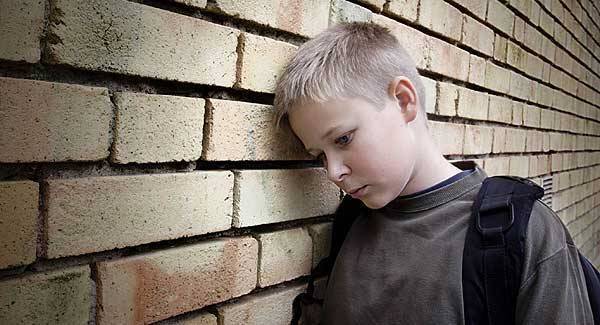
Types of bullying encompassed in the new definition include:
* Deliberate exclusion; malicious gossip and other forms of relational bullying
* Cyber-bullying
* Identity-based bullying, such as homophobic and racist bullying.
“There’s a long section around making schools respectful places to be — an emphasis on the behaviours we want to see,” says Áine Lynch, CEO of National Parents’ Council Primary.
All of which is very positive, but parents still need to be vigilant for signs their child may be experiencing bullying. Not wanting to go to school, frequent illness and seeming stressed may indicate bullying — or they may point to something else entirely. You need to offer your child opportunities to talk about what’s going on for them, advises Lynch.
“That communicative relationship that you are continually building with them allows them space to talk with you.”
Whether you find your child’s being bullied or is, in fact, the one doing the bullying, you need to avoid reacting too quickly or in a shocked way, counsels Lynch.
“Remain calm, ask gentle questions, get a full picture from your child’s point of view. It’s important the child gets to tell the story and that they feel they’ve been listened to and heard by the parent.”
If the child has been bullied, include them in a plan of action.
“Often, a child who’s being bullied feels a loss of control and disempowerment. This way you’re re-balancing for the child that they have input, a say in what happens. They’re empowered to look for solutions.”
If your child has been accused of bullying, refrain from saying: ‘My child wouldn’t do that!’ “Don’t panic,” recommends Lynch. “Listen to your child’s story. Separate their behaviour from them — we often call children who bully ‘bullies’. They become so labelled they’re not seen as a child anymore.”
Hearing your child’s point of view may reveal they haven’t been bullying or they’re unaware what they’ve been doing is bullying.
* For more on new anti-bullying guidelines, visit www.education.ie.


CONNECT WITH US TODAY



Be the first to know the latest news and updates









