Pros and cons of an older Dad
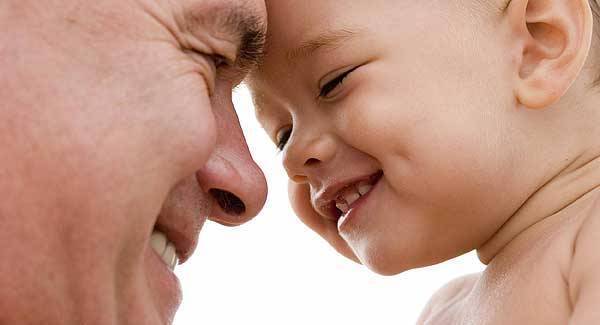
Older fathers are calmer and wiser, but can be less energetic.

Pros and cons of an older Dad

HOW cool would it be to have music producer Simon Cowell as dad? Or would you cringe when Cowell arrives at the school gate, because your friends think he’s your grandfather?

Parenthood can be a double-aged sword for first-time dads in their 40s, 50s and even 60s.

They can struggle with the physical and emotional demands of navigating babyhood, toddlerhood, childhood and, later, the turbulent teens.

Later on, their advanced age may be an embarrassment to their growing children, says child development expert, Nicola Erasmus.

But there are pros and cons for older dads and their children, Erasmus says.

“The older dad can be more financially stable and spend more time with the children,” she says.

However, the older the child, the more they may tend to view their father’s age as an embarrassment.

“When the father is older than the other dads, it will be obvious to children.

“When the child comes to about 10, they will notice the physical difference between their father and other fathers.

“Other children could say, ‘Your dad is so old’,” she says.

“Some children would be embarrassed, because the other dads might seem trendy and cool — listening to modern music and running around playing football, whereas the older dad may be a bit more formal.”

Noticeably older dads — men in their 50s and 60s — may not mix easily with younger dads at the school gates, she says.

This can be a disadvantage, says Rita O’Reilly, of Parentline, who says that if a parent is in a different age group to the other parents at the school gate, they can lose out on support.

“You may not have the same relationship with the other mums and dads as you might have if you were all the same age — for example, discussing issues like camping and discos,” she says.

Mortality can also be an issue, as children realise the long-term implications of an older father.

However, says Erasmus, children are not affected by a significant age disparity between an older father and a younger mother — the child has grown up with that, and it is the norm. “But when they compare dad to their peers’ dads, they can start getting embarrassed.”

However, the inevitable drain on your energy — the hallmark of parenting — can be significant for the older parent, says O’Reilly.

“You may have less energy for getting up in the middle of the night, or for throwing small toddlers into the air and running around a supermarket after them — kids are full-on,” she says.

“Later, you will face bringing teenagers to discos and collecting them and there’s a lot of worry about drinking, for example, so it can be a bit harder when you are older, because it is quite draining,” O’Reilly says.

However, on the upside, the children of mature parents can also benefit from their life wisdom, says psychotherapist, Cathy Breslin.

“There is patience, a lot more understanding, and an ease of living that comes as we naturally get older.

“We are more settled and more accepting of life in our 40s and 50s,” she says.

This often manifests in more confident children, who, says Erasmus, can often display better general knowledge, a wider range of vocabulary, and stronger language skills — even by the age of four or five.

“Children of older parents tend to mature faster,” says Breslin. “They can become wiser than their years.”

Older parents can also be more relaxed in their attitude to certain things — which can mean their child gets away with more than the children of younger, more energetic parents.

“Things can go under the radar: for example the internet and social media,” says Breslin.

However, whatever the pros and cons, the trend for older parents is here to stay.

Research from the Economic and Social Research Institute shows that, although figures are still relatively small, the number of women aged between 40 and 44 who were giving birth for the first time almost tripled between 2000 and 2010 — from 297 to 800.

Meanwhile, the number of women giving birth aged 45 and older more than quadrupled, from just 12 to 56 in that time.

Data on first-time fathers is not collected by the Central Statistics office, but of more than 72,000 births registered in 2012, provisional figures show that about 3,000 were to fathers of 45 years and older.

“You see it more and more at school — older dads are collecting children,” says Erasmus, adding that years ago an older parent would have been people in their 30s having their first children.

The late show: older fathers

Simon Cowell may be an older dad, but he’s in good company.

Paul McCartney became a father at 61, Rod Stewart had a new baby at 66, while Rupert Murdoch was 72 when he became a dad again. Closer to home, PJ Mara, pictured, Fianna Fáil’s former director of elections, became the latest recruit to the older dad’s club, last June, at the age of 71.

And there’s more: Charlie Chaplin was 73 when his youngest child was born, while Julio Iglesias Senior, grandfather to Enrique Iglesias, was 89 when his youngest son, Jaime, was born.

More in this section

Cookie Policy Privacy Policy Brand Safety FAQ Help Contact Us Terms and Conditions

© Examiner Echo Group Limited













