Pollen alert
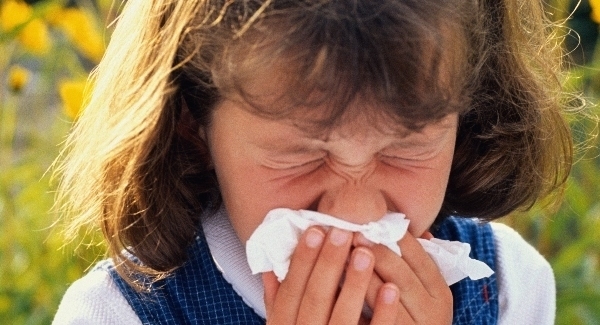
This year is predicted to moderate to severe in terms of pollen intensity, with the grass pollen season likely to start in late May or the beginning of June.
Pollen’s effect — generally, the higher the pollen count, the stronger people’s symptoms — is governed by the weather. Wet weather dampens down pollen and makes it difficult for it to enter the air.
Professor Roy Kennedy, a hay fever expert based at the University of Worcester, believes there’s a gloomier scenario ahead for sufferers.
He predicts a sudden pollen surge in June caused by the combination of the longer winter and the potential for an early summer. “The cold spring means a later start for pollen, with a pollen burst now in a condensed period, and the phenomenon of several pollens likely to peak at the same time. It means peak pollen levels will be early in the season, not later, as normal.
“Climate change in the next few decades will have a notable impact on people’s health, especially for hay fever sufferers,” he says.
“This is the result of higher pollution and urban climates, which facilitate longer pollen seasons.”
Hay fever can develop at any age after about two years old, but typically starts in early adolescence or in early adulthood.
Research indicates that certain risk factors make it more likely to occur in certain people — those born during the peak pollen seasons or just before and those whose family has a history of allergies.
Also, more boys have hay fever than girls until adolescence. After adolescence many boys tend to grow out of it, leaving slightly more female sufferers.
Other risk factors are a low number of childhood infections, so there’s a higher chance of developing auto-immune diseases and hay fever, and regular exposure to cigarette smoke during early life.
To keep hay fever under control, take these simple precautions:
* Take a shower and change your clothes at the end of the day (your hair and clothing can be pollen traps).
* Stay indoors where possible during mid-morning (11am to noon) and evening (5pm-6pm) when levels peak.
* Keep car windows closed and put on the air conditioner as this will filter out pollen from inside the car.
* Apply a little petroleum jelly to the lower nasal passages with a cotton bud as this will trap and remove pollen from the nose.


CONNECT WITH US TODAY



Be the first to know the latest news and updates