Tantrums and dark dramas
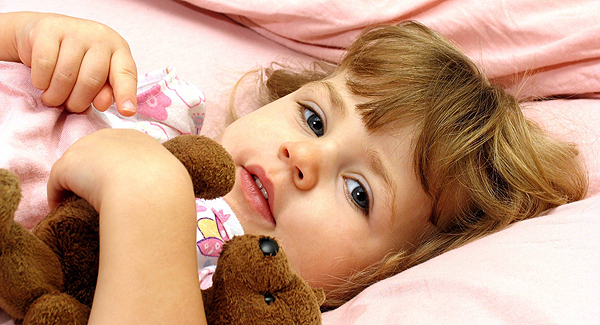
AT about age two, imagination is kicking in and children can begin to have scary vivid nightmares. If the child has experienced the powerful, overwhelming emotions of a tantrum during the day, this can set off a nightmare that evening.
When dealing with nightmares, parent coach Val Mullally urges parents to trust what she calls their ‘contuition’ — a blend of their conscious knowledge of their child as well as their intuition, gut or heart feeling about what’s needed at any moment.
With nightmares, it’s important to realise the experience is very real for your child.
“When your child has a nightmare, the body sensation is the same as if this was an event that really happened. Your child very much needs you to be there. They need you to make physical contact – when he or she feels your calm heartbeat, your calm body, they will start relaxing.”
This isn’t the time to reason with your child, adds Mullally.
“The deep part of the brain gets triggered when we experience fear. The body goes into fight, flight or freeze mode. All the energy goes into that part of the brain and not to the thinking part, so there’s no point in trying to reason with your child at this point — your child can’t hear reason.”
Your aim is to get the child entirely calmed before putting them back in bed.
“You don’t want them to develop the habit of getting out of bed. You might lie on the bed next to them or maybe they need a drink of water. A night-light may be helpful or a cuddly toy in bed with them.”
Mullally suggests seeing the nightmare as a signal your child needs extra support at this time.
“It’s a potential gift — helping you work through challenging issues together and deepening the bond between you.”
Next day, provide a listening space for your child to process the nightmare.
“Words are inadequate to describe something as powerful as a nightmare. Give the child fat wax crayons and big pieces of paper and get them to draw the nightmare. Ask them to tell you about their picture. Maybe they can make music about it or you can find stories that will talk to the dream — a story for a child should always give hope.”
¦ Calm yourself — make sure you’re breathing evenly and deeply.
¦ Let your child feel the calmness of your body.
¦ Do whatever works best to calm the child – rub her back, rock her, hold her close.
¦ Repeatedly and calmly say the child’s name as you say reassuring words.








