Life Hack: How to choose the perfect mattress
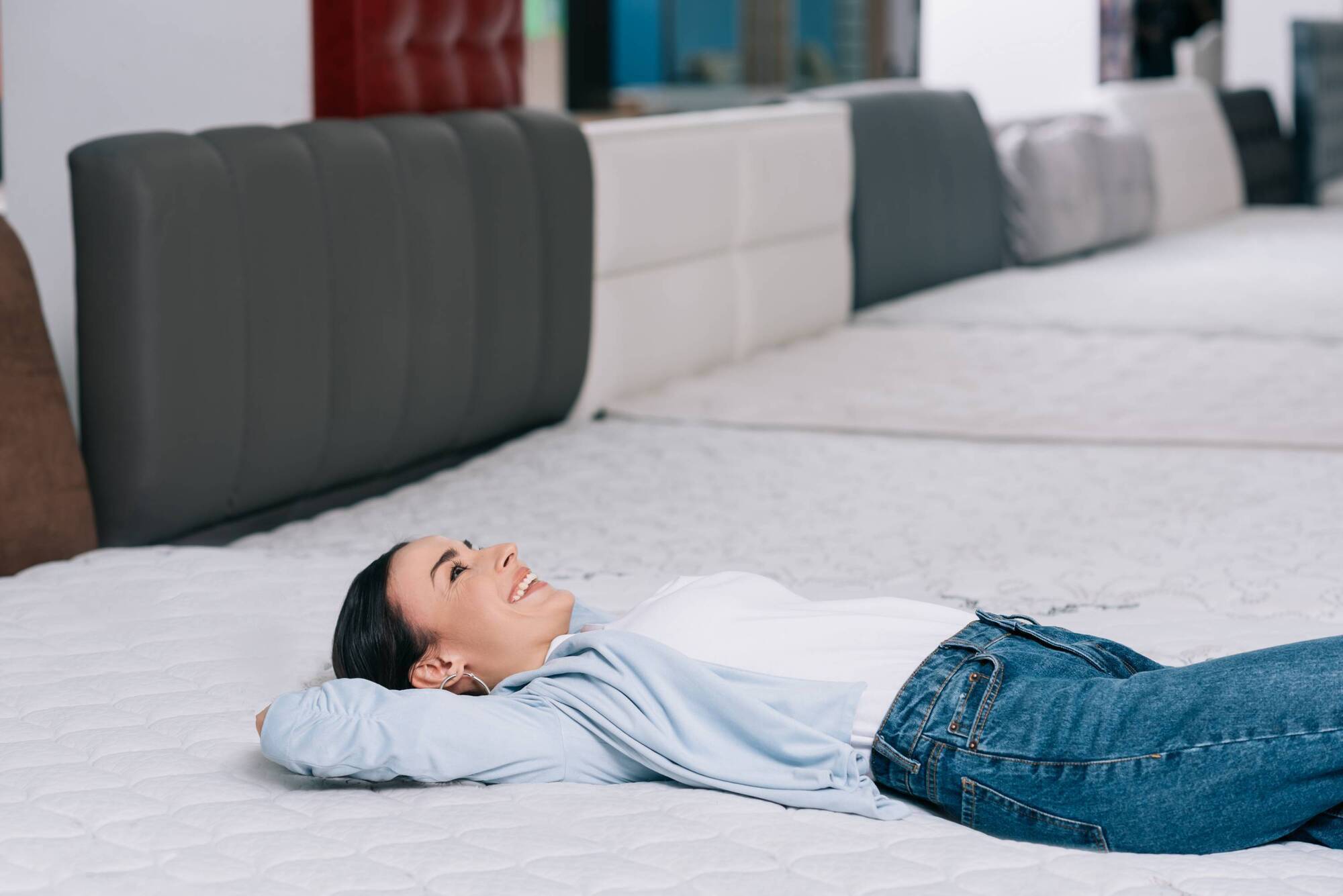
The right combination of comfort, support and mattress design can help someone sleep more soundly and wake feeling better
Life Hack: How to choose the perfect mattress

Where possible, actually take time to lie in a natural sleeping position rather than simply sitting on the edge of a mattress in store.

Earlier this month, we marked World Sleep Day, and it got me thinking about some of the mistakes we make when it comes to bedtime.

It feels like more than ever, we are aware of sleep hygiene habits, like ditching the phone at bedtime, that help us to get the best sleep experience possible. However, many of us might still be getting a basic foundation wrong: The mattress.

We spend about a third of our lives lying on one, but when we’re in a shop to buy a new mattress, are we making the most of the experience to find our perfect match?

Bed and mattress manufacturer Respa Beds, which has over 75 years of experience, has shared some expert advice to show how the right combination of comfort, support, and mattress design can help someone sleep more soundly and wake feeling better — and why spending more than a brief moment lying on the store model is essential.

A mattress that is not suited to someone’s body, sleeping position or comfort preference can lead to disturbed sleep, restlessness, and a less restorative night overall.

Factors such as sleeping position, firmness level, support, pressure relief, breathable materials, durability and personal comfort all play an important role.

“People often underestimate just how personal mattress choice really is,” says Deirdre Kelly, senior production manager at Respa Beds.

“There is no one-size-fits-all answer when it comes to better sleep.

“The right mattress should support your body properly, feel comfortable from the moment you lay down, and suit the way you sleep every night.”

Kelly says side sleepers often benefit from a mattress that offers cushioning around pressure points such as the shoulders and hips, while back and stomach sleepers may prefer a firmer feel with more structured support. 

"Couples may also need to consider motion transfer, edge support and how to balance different comfort preferences in one bed.

“A good mattress should help your body feel supported and settled, not tense or unsettled,” she says.

If you regularly wake up feeling stiff, find yourself tossing and turning, or notice that you sleep better elsewhere, those can all be signs that your current mattress is no longer meeting your needs.

The material your mattress is made from matters too. From pocket sprung constructions to natural fillings, latex layers and comfort foams, your mattress components can influence everything from breathability and responsiveness to long-term durability.

Kelly also recommends trying a mattress properly in-store where possible, and actually taking time to lie in a natural sleeping position rather than simply sitting on the edge.

Shoppers should question the construction, support systems, filling materials and care, and think carefully about whether their current mattress is still performing as it should after years of use.

“Better sleep supports better living,” she adds. “When you sleep well, you are more likely to feel energised, focused and ready for the day ahead. Choosing the right mattress is an investment not just in comfort, but in overall wellbeing.”

Deirdre Kelly’s top tips for choosing a mattress

  • Know your sleeping position: Side sleepers often benefit from softer cushioning around the shoulders and hips, while back and stomach sleepers may prefer a firmer, more supportive mattress.
  • Choose the right level of firmness: Comfort is personal. What feels perfect to one person may feel too soft or too firm to another, so take time to find what works best for your body.
  • Look for quality materials: Pocket springs, natural fillings, latex, and breathable comfort layers can all influence how supportive, durable and temperature-regulating a mattress will be.
  • Test the mattress properly: When trying a mattress in-store, lay down in your normal sleeping position for several minutes rather than just sitting on the edge.
  • Consider long-term support: Durability and construction matter just as much as initial comfort.
  • Rotate your mattress regularly: Rotating your mattress every few months can help distribute wear more evenly and extend its lifespan.
  • Don’t rush the decision: A mattress is an investment in your sleep and wellbeing, so it’s worth taking the time to choose one that truly suits your needs.

More in this section

Cookie Policy Privacy Policy Brand Safety FAQ Help Contact Us Terms and Conditions

© Examiner Echo Group Limited