Life Hack: How to bleed a radiator and why it can save you money on your heating bills
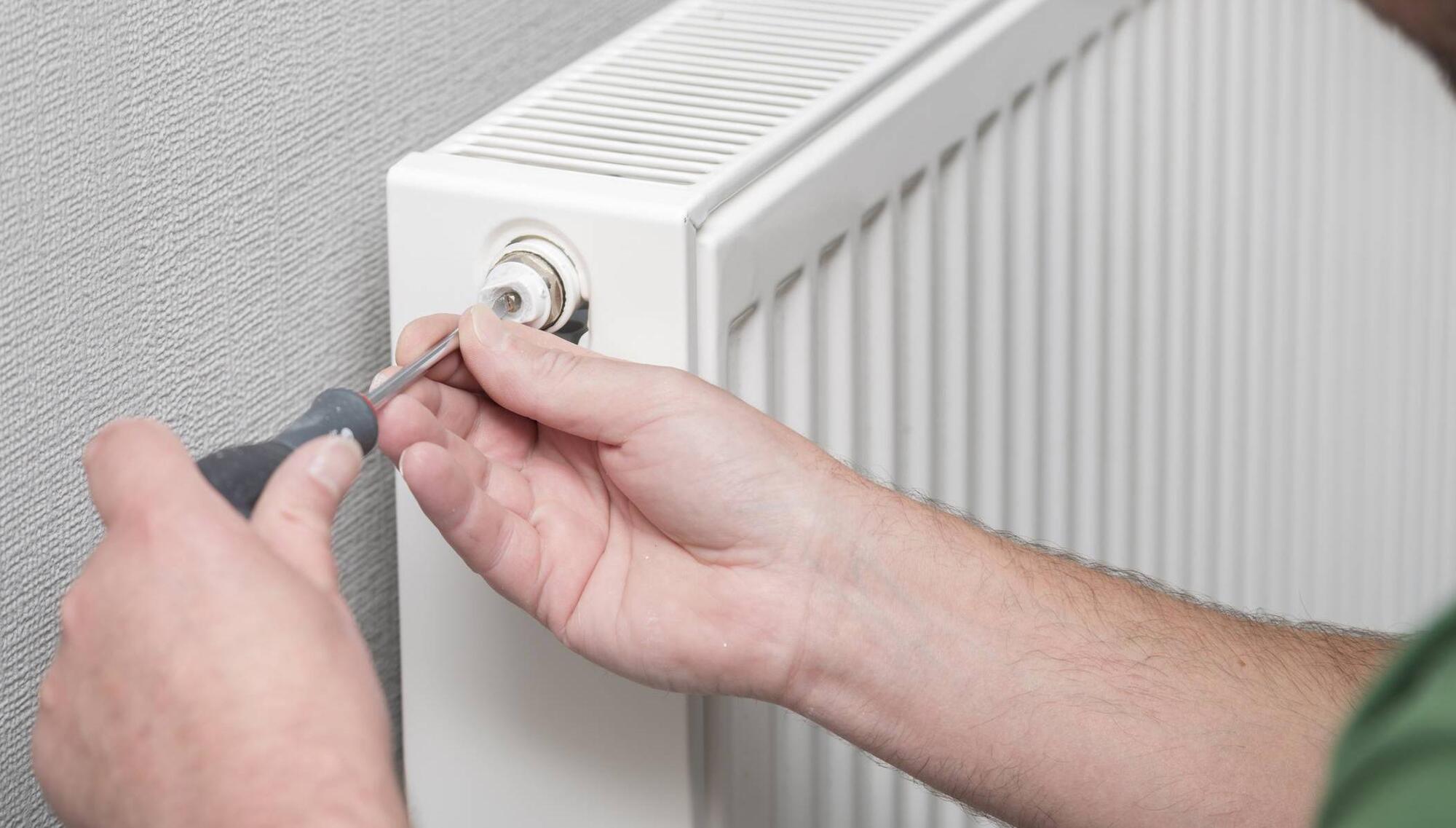
Trapped air stops warm water from circulating and means your central heating system is not working to its highest standard. Picture: iStock
We’re all looking for ways to save money on our bills this winter in particular but you might be wasting money if you haven’t tended to your radiators recently. If you feel your heating isn’t as effective as it once was or that you seem to be turning the temperature up more than before, you might need to consider bleeding your radiators.
There are many signs that your radiators are in need of some TLC to consider doing so. For example, if your radiator gets warm but the top stays cold there may be too much air in your heating system. Similarly, excess noise from your radiators and pipes could indicate trapped air in the system.
In addition, you need a minimal amount of air in the heating system to ensure a water-based system will work efficiently.
Trapped air stops warm water from circulating and means your central heating system is not working to its highest standard.
By bleeding your cold radiator you can prevent the use of excess energy, which will result in a lower heating bill.
Bleeding a radiator is simple and you need three things: a radiator key or a flathead screwdriver for some newer models of radiator, and a tea towel to dry the water released during the process. If you can’t find your radiator key, you can buy one from a DIY or hardware store.

For your first step, turn off your heating so you don’t add more air to the system and risk having hot water spraying out. If your home has more than one floor, start by bleeding the radiators downstairs first.
Locate the bleed valve on your radiator. Open the intake and exit valves and place the towel beneath the valve.
Next, use your radiator key or flathead screwdriver to open the bleed valve. Turn the key or screwdriver anti-clockwise for about a quarter of a turn. If you hear a hiss coming from the valve that means excess air is being released from the system.
You can close the valve again once water starts to come through but turning the key or screwdriver in a clockwise direction. Repeat this process on any other radiators you think may need your attention.
Chill Insurance recommends you check your boiler pressure levels “to ensure that you haven’t affected the overall pressure within the house's heating system. If this is the first time you have had to do this you should consult the instruction guide as provided by the manufacturers.”
You are advised to bleed radiators once a year. Contact a plumber if your heating issues continue after this as there may be an underlying cause that requires professional attention.

CONNECT WITH US TODAY



Be the first to know the latest news and updates