Life Hack: How to protect your pipes during a cold snap and what to do if they freeze
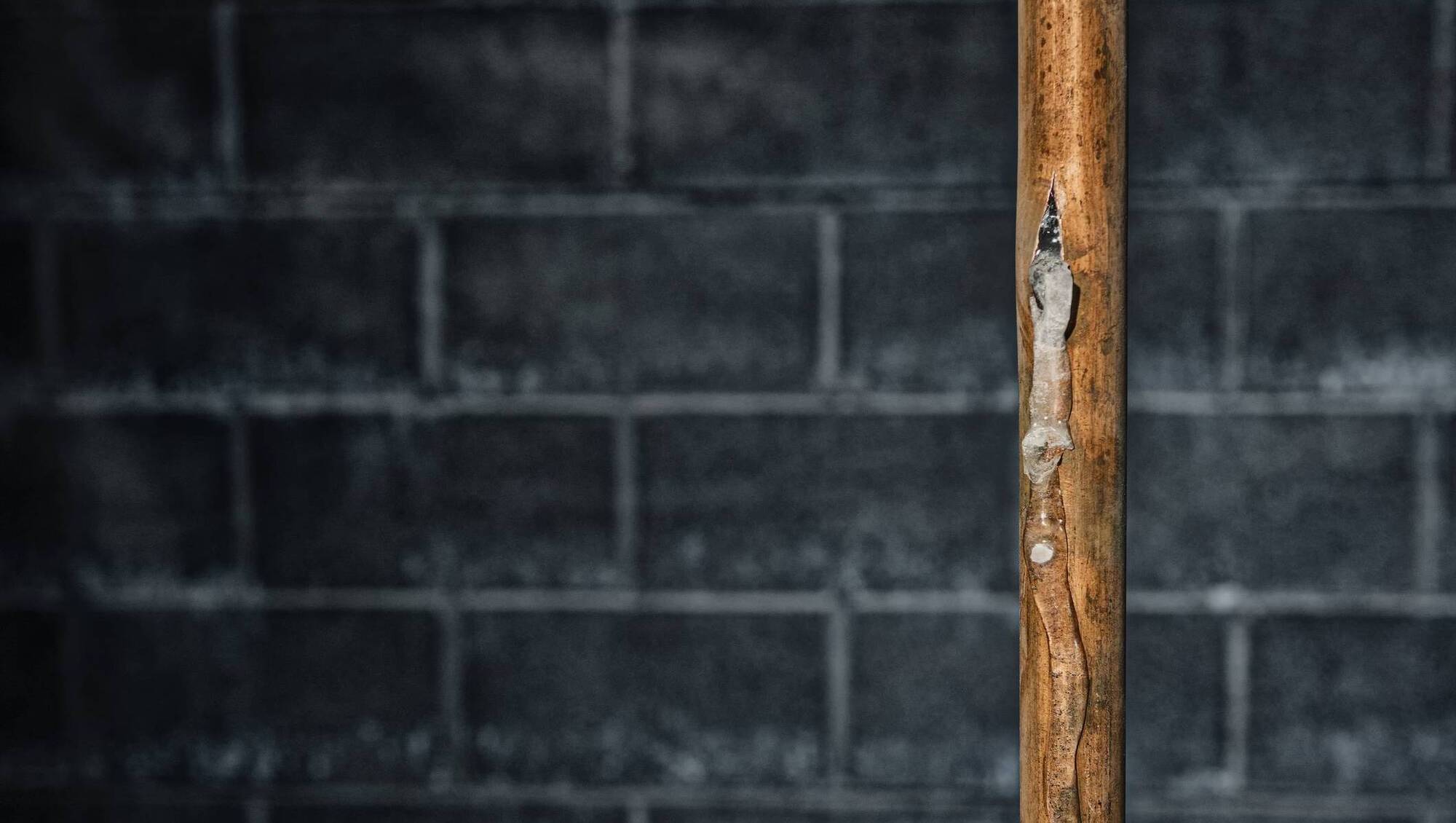
If your pipes burst, make sure you contact a professional plumber as soon as possible for repairs.
If you have noticed a drop in temperatures in recent days, you are not wrong. We have had a few instances of sub-zero temperatures overnight, with the mercury set to dip even lower. With a cold snap such as this comes the extra risk to our homes. Frozen pipes can cause the ultimate nightmare before Christmas, leading to no running water, boiler breakdowns and even burst pipes.
It seems a bit obvious but adding some padding to your pipes can help to prevent them from freezing. If you have pipes that you think are at risk of freezing, either indoors or outdoors, wrap them up with insulation. Prime areas that are at risk include unheated areas like your attic, under floor spaces and outbuildings, or any pipe that is outdoors. Similarly, ensure your boiler’s condensate pipe, if it has one, is well protected from the cold too. Most hardware shops will stock good quality foam lagging, which can protect your pipes from cold and frost.
Lots of us will be leaving our homes empty over Christmas as we travel to spend time with family and friends and you might be keen to take preventive steps early to avoid a burst pipe while you are away. Did you know that old trick of leaving a tap running slightly to prevent the water in your pipe from freezing is actually a myth? Slowly moving water can still freeze, and if anything, this method could cause a flood if it freezes in your sink, blocks the drain and allows water to build up.

The simplest way to prevent water from freezing in your unoccupied home is to leave your heating on a low setting — you can use the timer setting for this too to save energy. And if you have a leaking, dripping tap, consider calling the plumber sooner rather than later so it doesn’t cause a bigger problem when the temperature plummets.
An alternative option is to turn off the water completely before you leave home. You can do this at the mains stopcock.
If you haven’t already, turn off your water supply and turn off your heating. Turn on all your taps to drain the water in the system. Next, clear the area around the frozen pipe of furniture or other items before you start thawing it. You can gently warm your pipe with a hairdryer or by holding a hot water bottle against it.
If your boiler’s condensate pipe freezes, you will notice when you don't have heating or hot water or if you hear a gurgling sound coming from your boiler. You can pour warm water over the frozen parts of pipe to thaw it. Do not use boiling water.
Make sure you contact a professional plumber as soon as possible for repairs, particularly if a pipe bursts.

CONNECT WITH US TODAY



Be the first to know the latest news and updates