Colman Noctor: Parents need to find a secondary school to fit their child 
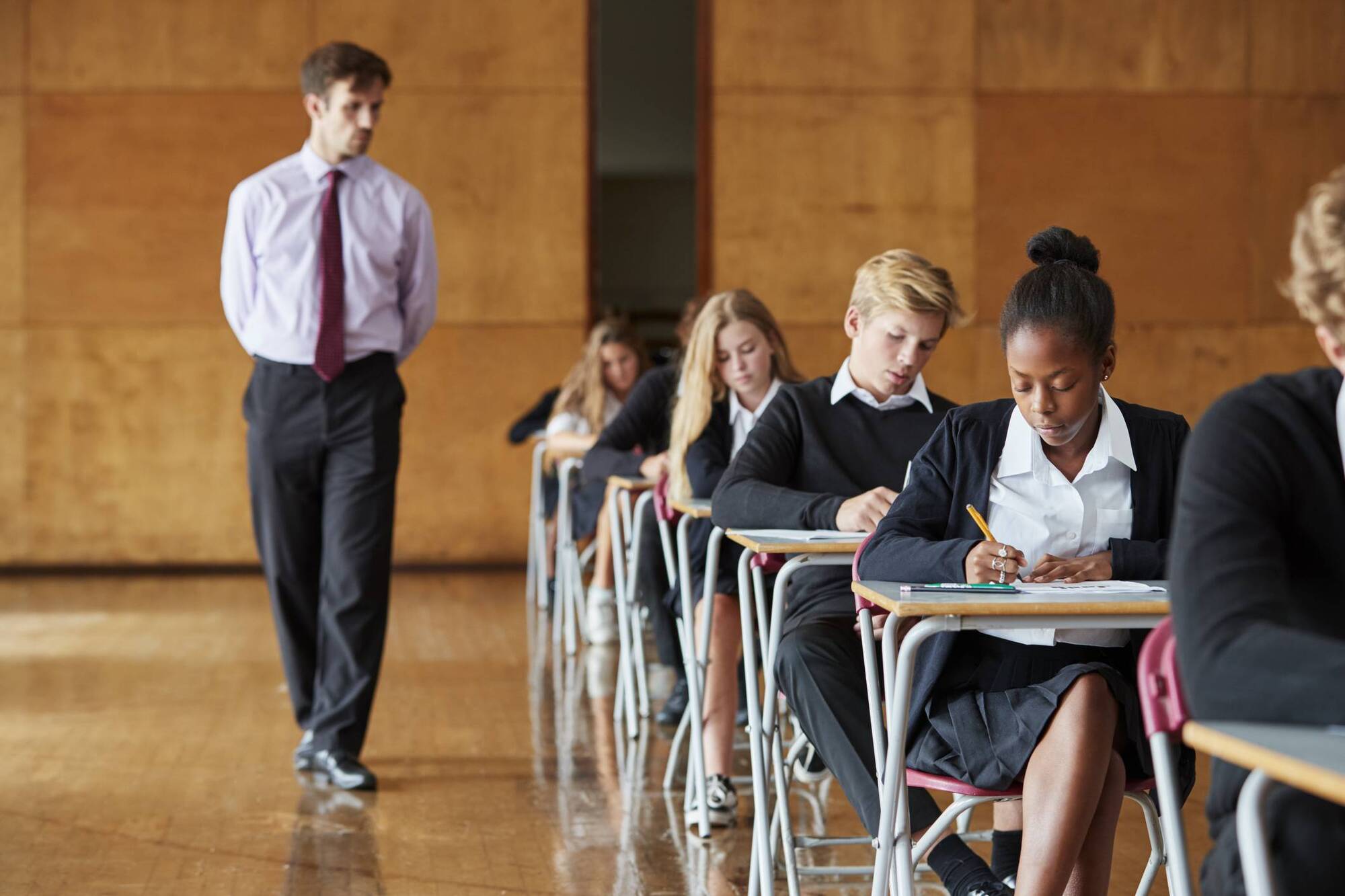
There is a lot of debate about the academic performance of single-sex schools versus mixed schools but our focus needs to be on the social and emotional development of students 
Colman Noctor: Parents need to find a secondary school to fit their child 

Picture: iStock 

'Boys do better in a mixed school, and girls do better in a single-sex school', is a well-worn phrase that undoubtedly influences parents and young people, but the strength of this statement lies solely on what we consider 'doing better' to mean. 

Soundbites like this one can over-simplify several nuanced factors. The statistics do not reflect other socio-economic factors such as attendance at private, fee-paying secondary schools which naturally greatly inflates a student's chance of accessing higher education. It just so happens that a large majority of these schools are single-sex schools, thereby impacting the final results.  

A study carried out by Prof Emer Smyth of the ESRI in 2017 suggests the gender status of the school has less to do with the outcomes than we are led to believe. Prof Smith found there was little consensus on whether sex segregation leads to better or worse academic results. And, all things being equal, girls generally outperform boys in Leaving Cert subjects, whether they have boys sitting beside them in the classroom or not.

So why has the gender of schools become such a topic of discussion in recent months? The Labour Party plans to publish a Private Member's Bill which seeks to end gender discrimination in schools and proposes giving primary schools 10 years to end single-sex admissions and secondary schools 15 years to do the same. 

In most cases, primary schools are mixed gender, so the choice between single-sex or mixed schools is a more common consideration for the parents of secondary school children. Many circumstances influence this decision. Often, these 'circumstances' include the variety of subjects, the quality of the sports facilities,  the choice of extracurricular activities, the performance of the school in the Leaving Cert points league tables, but the decision drivers tend to be the financial, geographical and availability of a place. 

No school environment is perfect

I attended two all-boys secondary schools in Dublin, so my knowledge is limited to De La Salle College and Templeogue College. My experience of attending an all-boys school was fine, but then again, I didn't have anything to compare it to. I played rugby and enjoyed male company, so I fitted in, but I distinctly remember feeling envious of my friends who attended St Mac Dara's, the local mixed school down the road in Templeogue.

No school environment is perfect and there are good and bad experiences in all schools. There is a belief that there is a machismo culture in some all-boys schools and a culture of exclusion in all-girls schools, but this is by no means a pervasive experience across the board. These same issues can arise in mixed, public and private schools, and so it is impossible to eradicate the possibility of these dynamics occurring.

But if we consider the social and emotional benefits of mixed-gender schools compared to single-sex schools, the arguments are compelling. It's hardly a surprise, given that society is not segregated according to gender, so why should our educational system be?

As we move to a more gender-neutral society, there are calls to move away from the pink and blue worlds of boys and girls and, as a result, the design of our education system is understandably being called into question. Mixed schools offer boys the opportunity to do subjects like home economics and girls the chance to do metalwork/ technology, which is a good thing. But I believe we should move away from seeing schools as merely academic preparatory environments and view them more as places that prepare young people for life. Mixed gender co-working is an integral part of our lives. So we need to widen the educational experience to reflect a world where 'Tá Daidí ag obair agus tá Mamaí sa chistin' is no longer relevant. 

I have long believed that our view of education is incredibly narrow. It would appear that in our society, the most important and valuable assets you need in life are a good memory and sporting prowess. This after all is what we tend to judge our school system by and what is rewarded in most school environments.

At secondary school open evenings, parents are often told about their students' performance in the Leaving Cert and the achievements of the school's sports teams. I think we need to revisit these metrics of success and instead scrutinise how the school's value system will contribute to our children's social and emotional development. The schooling experiences I want for my children are to thrive socially, have good friends, have good core beliefs and values and be relatively content.

 Sure, I would like to see them optimise their abilities academically, creatively and from a sporting perspective, but I also would want the school environment to recognise other qualities and provide the scaffolding and support that they might need in terms of learning support. Overall, I plan to choose the school that gives my children the best chance to emerge 'well-adjusted' and although most schools say this is their goal too, the priorities each institution might place on these goals will differ from one to the other. 

Preparing your child for life 

The gender mix of the school may well play an important role in supporting my desire to see my children become well-adjusted, but it may not be the decisive one. That said, a mixed school seems to be an obvious choice in preparing a child for life as it provides an environment reflective of the wider world. I would imagine that my sons would have a more diverse learning experience by sharing classrooms with girls and hearing their views and, likewise, my daughter would benefit from hearing and engaging in discussions with boys. So, ideally, I think I would prefer them to attend a mixed school. It would also be handier to drop them off and pick them up from the one location.

But to practice what I preach, I believe, where possible, we should choose the school to fit the child. If a child has a proclivity for sport then maybe best to not send them to an overly academic school. Likewise, if a child has a particular leaning towards the creative arts, then it is may be best to find somewhere that will value that skillset and nurture it. Where parents are in the privileged position of having a choice of schools, I would suggest that the ethos and value system of the school should be a crucial factor. An environment that encourages children to be inclusive, respectful and supportive of others would be ideal, and, while I would wonder if these schools exist, it is something we should value and strive for.

But maybe my ideologies count for very little. My son is in fifth class, and he has had a number of representatives from the local secondary schools visiting his class to pitch why students should pick their particular school. When I asked him what he thought her would prefer, there was one clear favourite. I inquired further, asking if the sports facilities, the subject choice or the gender mix was the most appealing aspect? He replied, 'No, that's where my friends are going'.

We need to consider the wishes of the child in terms of having their voice heard in the decision making. While some parents dismiss the importance of friendships to the child, they may be the critical factor in how their relationship with school starts and continues. As parents we have a role in contributing to the future of Irish education trends, so if we as parents continue to use the academic and sporting accolades as deciding metrics in our choice of schools then we can't complain if that's what schools choose to focus on. As we emerge from the pandemic the social and emotional development of young people has never been more important. Perhaps the forced pause of Covid-19 is an ideal opportunity to reassess our educational priorities.

  • Dr Colman Noctor is a child psychotherapist 
x

More in this section

Cookie Policy Privacy Policy Brand Safety FAQ Help Contact Us Terms and Conditions

© Examiner Echo Group Limited