Dr Colman Noctor: There are times when parenting requires us to step back, not step in
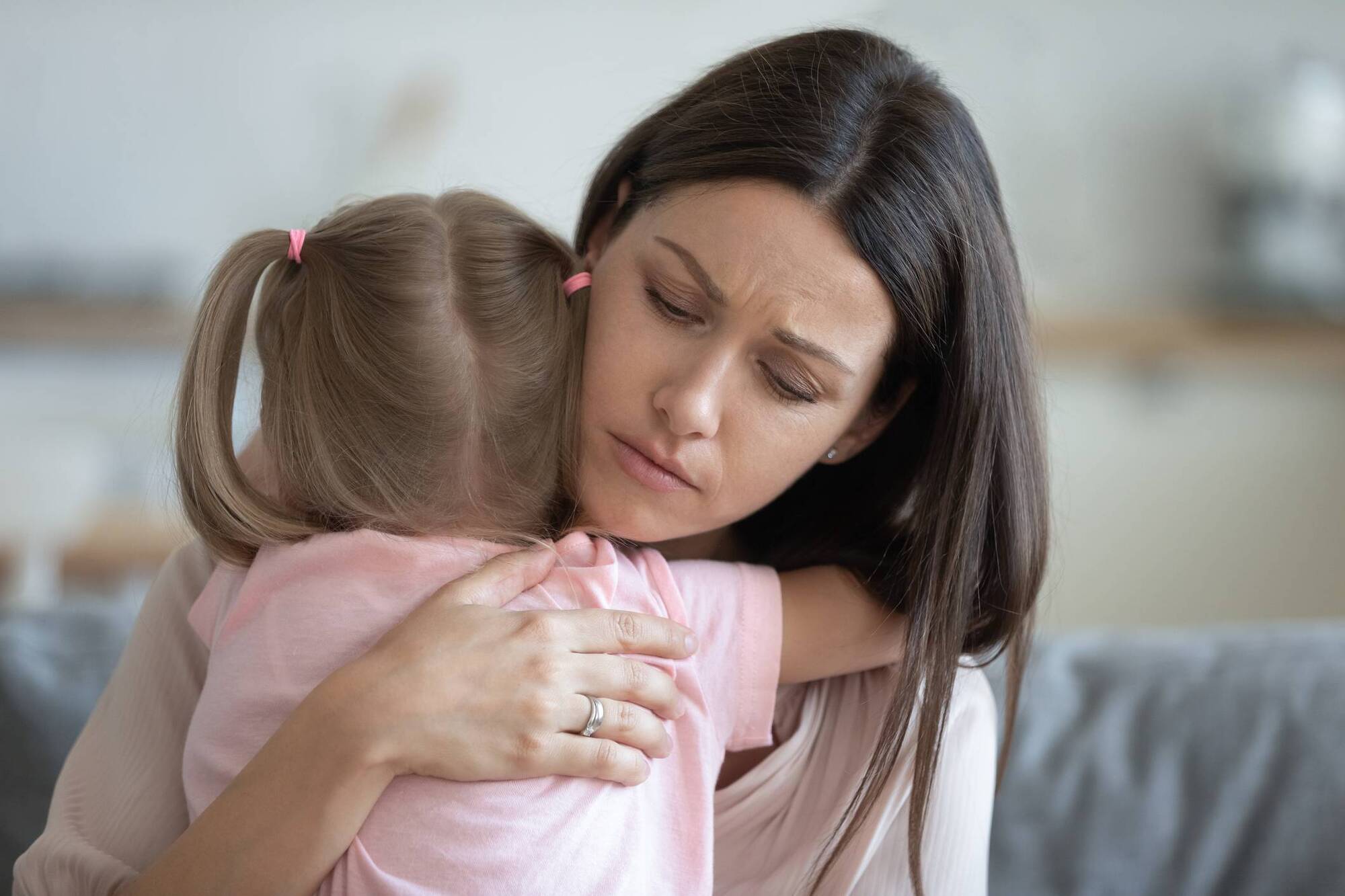
It's important to comfort children when they are upset but their independence needs to be encouraged too.
I was delighted to see the last of my children return to school recently. I was looking forward to having the house to myself so as to get stuck into the ever-growing to-do list. I was genuinely looking forward to getting some of my academic work completed, without being interrupted by Seesaw notifications or Minecraft questions.
However, there were many parents on social media saying they will miss the home-schooling experiences and the opportunity to kiss their child on the head as they passed the kitchen table as they were doing their schoolwork. For the life of me, I could not relate to their comments. I love my children, dearly, but I was very happy to see them back in school.
The lockdown cocoon of the family bubble is not a natural or healthy environment when it extends to three months duration. Although it may be reassuring from the perspective of parental influence, it is not developmentally healthy or appropriate in encouraging personal growth. All children need a degree of independence from their parents.
One of the big milestone challenges parents face is when they send their child to school for the first time. It's not unusual to see parents teary-eyed as they say goodbye to their child on the first day. This grief may also be about surrendering some control over our parental influence.
There is often a defining moment when your child returns from school with a challenge, similar to “Dad, do you know the way that you said the sky is blue because God painted it that way? Well, Miss Flanagan said you are wrong, it’s to do with gas in the atmosphere”.
This can feel like a ‘moment’ as you realise your control over your child’s learning and thinking is diminishing. Although when your child gets older the sting of these revelations will lessen, it's when they are at an age where a kiss on the head is still welcomed, this can be an issue.
While my children make their way in the outside world, I want my own time too. I want time to be able to work without interruption. Does that make me selfish? I don’t think it does. For me, the empty nest syndrome is not a problem.
In a recent Mental Health Ireland survey of 400 randomly selected parents, 80% said they found homeschooling stressful. One in five reported that their alcohol intake was increasing while two in five reported that their exercise levels were decreasing and their sleep was negatively affected. Furthermore, almost seven in 10 children had no contact with anyone outside their bubble since Christmas. On a more positive note, six in 10 parents reported feeling ‘more connected’ to their child.
But is connection always healthy?
One of the more contemporary issues of modern-day parenting, which would have previously been known as ‘enmeshed attachment’, has more recently been described as helicopter or snow-plough parenting. These terms suggest that the connection between parent and child is not only close but can become mutually dependant. Enmeshment can occur when parents live their lives vicariously through their children, inhibiting their individuation, independence and autonomy.
Love is a complex thing and can easily slip into control if we are not careful. When we mistake love for control we can begin to become over-involved. Pacing our involvement with our children to enable and empower them without disabling them is a hard task to perfect.
Parental involvement should enable rather than impinge or overshadow the child's personal growth or development. Sometimes we express our inner needs through our relationships, which can be observed as behaviours such as clinginess, control or dependency. It is true that these features can develop in all intimate relationships, romantic and parental. We need to be mindful that in every close relationship, that both person's needs are being met appropriately, and where this is not happening, or is disproportionate, difficulties may arise.
One of the myths of modern parenting philosophies is that it can inadvertently encourage over-involvement in our children’s lives.
One of the most challenging issues I see in the young people that I work with is indecisiveness. The tyranny of choice and the over scaffolding of parental advice has immobilised the young person from making decisions. The fear of making the wrong decision results in no decision being made at all. I have often been struck by how some adolescents struggle to make independent decisions without the approval of their parents, varying from what subjects to pick for their Leaving Cert to which colour hoodie they should buy.
We need to empower young people to be autonomous. Encourage them to use their voice and sometimes watch without reacting while they make mistakes. This form of stepping back is not a form of neglect or lazy parenting, it is a gesture of your trust in your child that you believe they ‘have got this’.
Another telling statistic from the Mental Health Ireland study was that seven in ten parents compared themselves negatively to other parents when it came to their pandemic parenting skillset. So perhaps don’t give yourself a hard time if you are not lamenting your children going back to school. This does not mean that you are not a good enough parent, or that you don’t love your children as much as other parents love theirs. Perhaps time will prove that you were right to celebrate your child’s return to school as you were enabling their journey to become an independent decision-maker.
- Dr Colman Noctor is a child psychotherapist