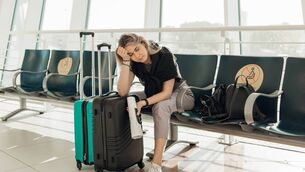
Learning Points: Wanting to run away from the house does not make you a bad parent
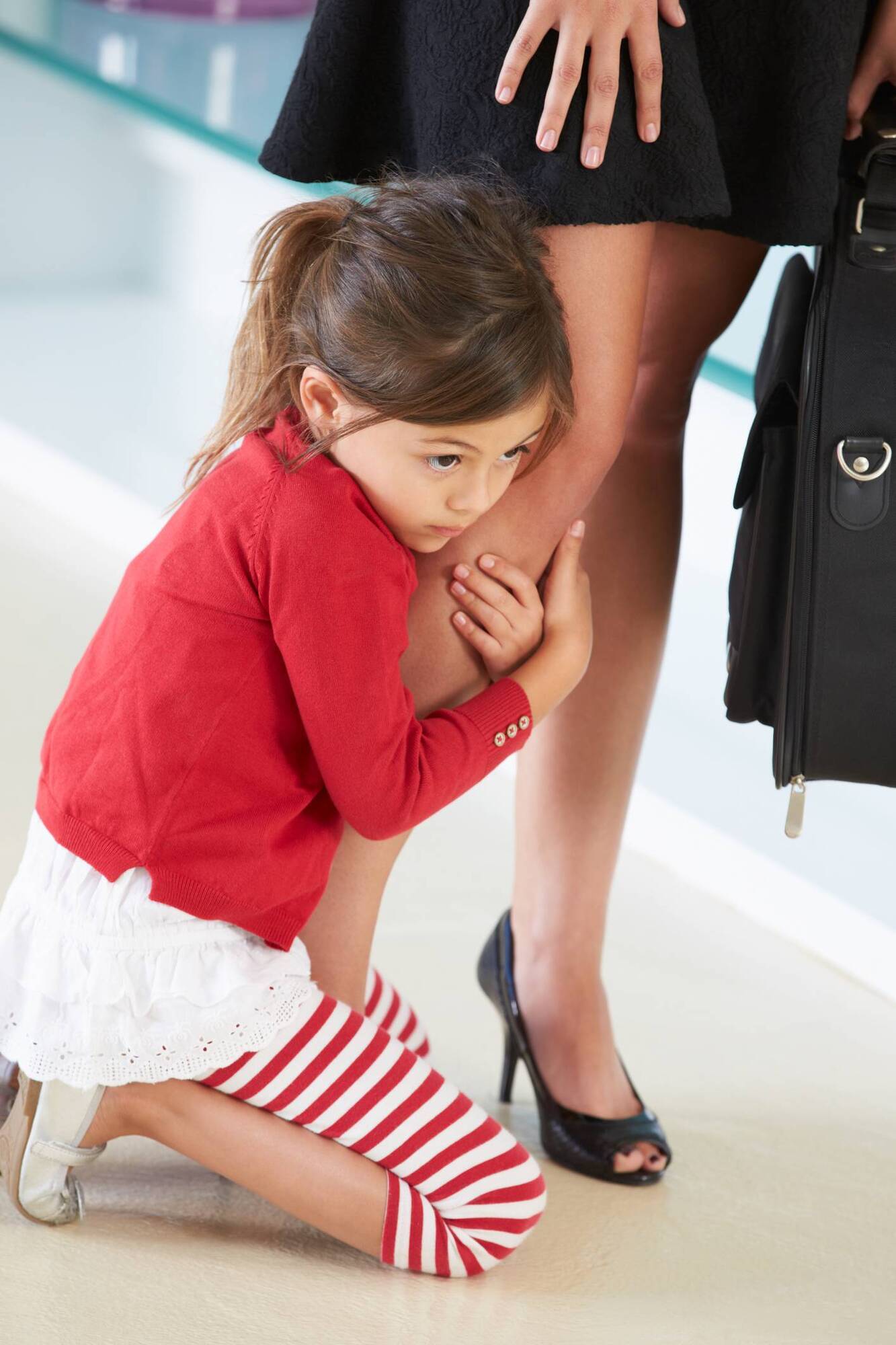
'Children following parents around the house seeking continuous reassurance and not letting them leave the house without going with them. This behaviour is placing huge strain on the family and in particular on the couple trying to manage everything while they are in lockdown.'
The current global health crisis has placed huge strain, not only on our health service but on families, couples and children throughout the world.
There has been a significant increase in teenagers presenting with depression, anxiety and eating disorders. Generally, when we feel like we are not in control we often develop maladaptive ways of dealing with that sense of powerlessness. We can get caught in a very paradoxical pattern of behaviour, the thing we use to satiate our difficult feelings ends up becoming more problematic than the feeling that caused it.
For example, a child that feels things are out of control can often avoid food to make them feel in control and this response to emotional distress can have devastating consequences for the child and family. Because the child is so resistant to give up the behaviour they feel is helping them, the impact on everyone in that family system can be absolute.
Of course, we have never felt our environment is as unstable as we have over the last year. This has impacted us incalculably and has created many new issues that families are now labouring with.
I have had many conversations with concerned parents over the last several months about their child and how attached they have become to one of the parents, usually the mother.
Attachment is an area you deal with a considerable amount as a family psychotherapist. Because insecure attachments have been linked to an increase in anxiety and depression in children. Recent research in China has shown that the Covid-19 outbreak is associated with behavioural disturbances such as increased clinging to parents and irritability, both are signs of insecure attachment provoked by the external threat of the virus.
This research illuminates what many families in Ireland are experiencing at the moment. Children following them around the house seeking continuous reassurance and not letting them leave the house without going with them. This behaviour is placing a huge strain on the family and, in particular, on the couple trying to manage everything while they are in lockdown.

Managing a child that has developed an unhealthy attachment can be very challenging. I have heard a number of mothers recently tell me how they have thought about just leaving the house and running away from it. The guilt I hear in these conversations is very pronounced.
Of course, raising children during a health crisis like this pandemic is incredibly hard and takes a toll on the most stoic of people. We have to give ourselves a break here and not self-flagellate. Just because we have thoughts about getting away from the house and all the pressure it is placing on us does not make us bad parents. It makes us human beings.
And, as I said last week, we have to watch the expectations we place on ourselves, as parents, as we navigate this last difficult phase of the pandemic.
We have to also watch how we respond when we notice our child becoming overly dependent on one parent or continuously seeking reassurance. Often what happens with a child who seeks reassurance, they do it in a way that provokes the parent's annoyance and when the parent admonishes them they seek further reassurance, thus getting into a repetitive negative pattern. So our response is crucial to a quick and easy resolution to attachment issues.
Attachment is all about feeling secure. Nothing has disrupted our sense of normality and security like the pandemic. Ask yourself, when is my child more clingy? Is it when mom is out or when mom is in the house? I would say, you have noticed they are most clingy when mom is in the house. Also ask, which of the parents is more likely to problem-solve for your child?
Perhaps this might be the parent the child is most clingy with. Developing your child’s sense that they can rely on themselves to problem solve is vital for their healthy development. Avoid problem-solving or trying to remove upset from your child, rather than help them figure out whatever it is they are finding challenging. When you solve the problem you are making them reliant on you and depleting their reservoir of tools they will need for the adult world. Your disruption of their dependency on one parent must be measured and thought-out.
Remember, too much difference for a child is too much. So, slowly and incrementally introduce difference and change. Reward them when they manage not to over-react when they are without the parent they are attached to.
The next couple of weeks are a wonderful opportunity for you to show your child that they can regulate themselves and manage their feelings. This will be such an important tool to give them as they head off into a post-Covid world. Now, that sounds good to say.
CONNECT WITH US TODAY



Be the first to know the latest news and updates