How to stop your cat scratching furniture and leaving fur everywhere
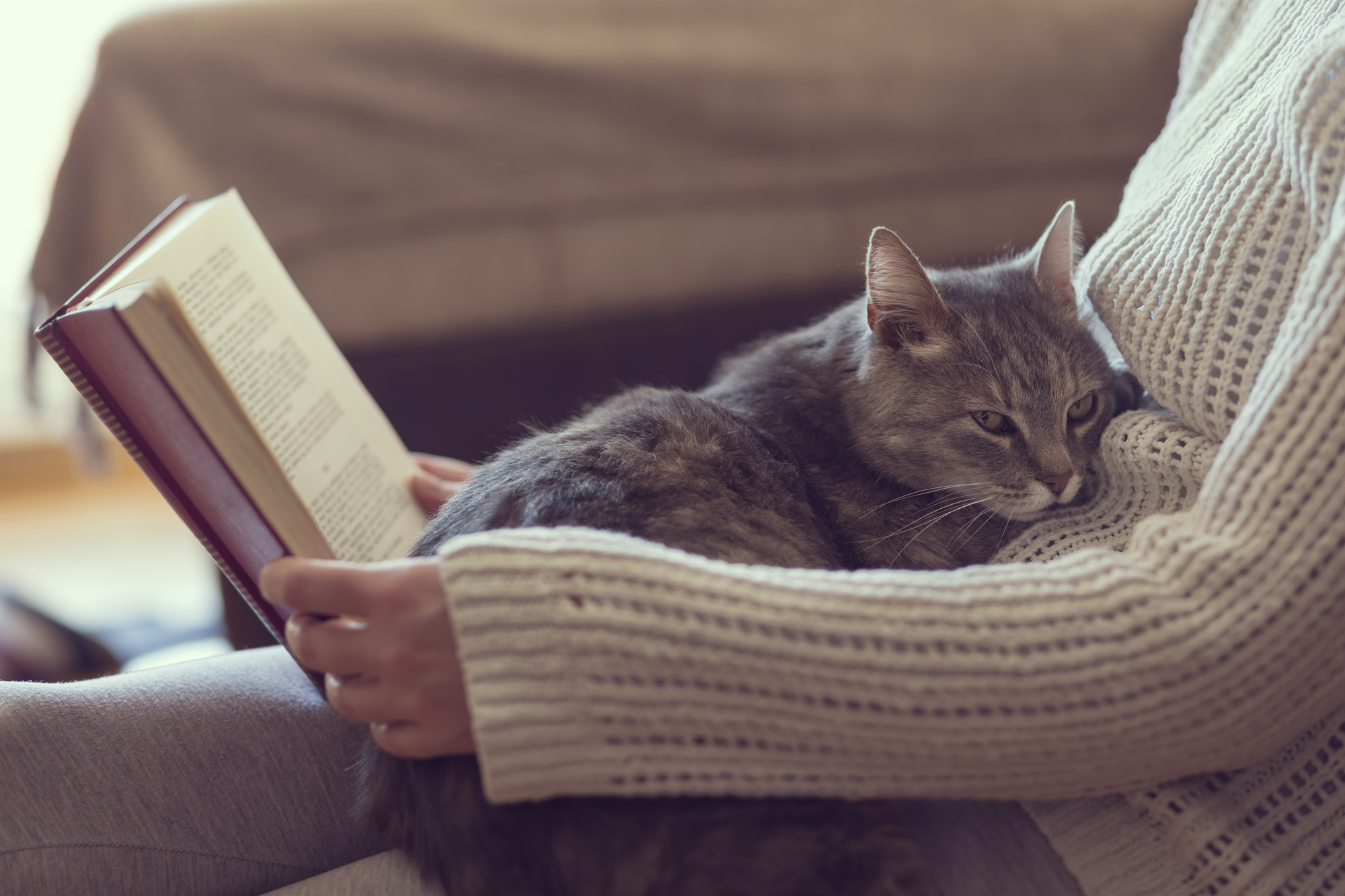
Sharing a home with a cat is utterly pawsome. Is there any greater validation than a cat choosing to snuggle on your lap? And when you’ve hit snooze a few too many times, a few whacks of a paw against your eye sockets will get you going for the day.
For all their charms, however, as with all pets, they will be taking up space and leaving their mark on your stuff. Claws, fur, litter trays and the occasional hairball are part of the package.
The good news is, these things can be managed and minimised. We asked Nicky Trevorrow, behaviour manager at Cats Protection, for some expert tips…
Cats may happily cohabit with humans, but they’re still very in tune with their natural instincts. So, they’re not being ‘naughty’ when they scratch the sofa, they’re just being cats – and if you’d prefer them not to damage the furniture, then you need to provide suitable alternatives, which usually means scratching posts.
“Scratching is a very natural behaviour for cats and they need to express this,” says Trevorrow. “They generally scratch for two reasons. Claw maintenance, which is more of a plucking type motion, they tend to do this more when they wake up, which is why it’s a good idea to have a scratch post near where they sleep. They can also scratch for territorial reasons, which is more the long vertical scratch lines; they’re also depositing pheromones from their paws. That tends to happen near entry and exit points, like cat flaps, doors, windows.”
Scratching posts also need to be tall enough to enable the cat to reach up and stretch out while scratching: “The average moggy cat will need a post at least 60cm tall,” advises Trevorrow – and sturdy enough that it won’t wobble.
And what if the cat has already taken a fancy to your sofa or sideboard? “Same as for any problem, never tell a cat off. They won’t understand and it can make the problem worse.” To deter them from scratching a specific area, she says “you could it up to make it less appealing. I’d use a couple of layers of foil or black plastic bin liner, anything shiny, plasticky, they don’t like. Then put a new amazing scratch post right next to it.”
Do not even think about trying to ‘teach’ your cat to use it, by holding its arms and scraping its paws on the post – they won’t like this and may take a long-standing dislike to the post. “To encourage your cat to use it, you could put some catnip on it [if your cat is a catnip responder]. Or I’d recommend getting hold of some catmint, which you can get in garden centres. You just need to break the leaves to release the scent and them rub that on the post.”
If nothing works and you’re still concerned, or your cat seems especially territorial or anxious, consulting a behaviourist could help.
There is a chance you’ll be so in love with your cat, you’ll stop noticing the fur blanket coating everything after a while. But if you’d prefer to avoid that, there are a few key lines of defence.
“One is grooming the cat regularly,” says Trevorrow. “The cat should be introduced to that slowly, and make it into a positive experience, so you train your cat to enjoy grooming.” Think blissful massage – it shouldn’t be painful (if you have a long-haired cat with knots and matting, you really need to seek advice from a vet to get on top of this). “Other than that, just regularly vacuuming, and accepting that cats do shed fur!”
A quality vacuum cleaner can be a worthwhile investment for keeping carpets, rugs and soft furnishings fur-free (some are specifically designed to be good at this, like the Vax range). There are also some great products for giving your clothes, coats and cushions a quick de-fur (Fur Magic is by far the best we’ve tried).
Providing cats their own beds may also help on the fur-maintenance front. Trevorrow says cats can “naturally rotate their sleeping place”, so don’t be alarmed if your cat doesn’t want to stick to just one bed. Think about where you’re positioning the beds, as they’ll want to feel safe, warm and secure.
“Put the beds in a place a cat would naturally choose,” says Trevorrow. “So warm, cosy places and high up places they can access. I know a lot of people who’ve got frustrated that their cat doesn’t like the bed they got them, then they’ve chucked it on the top of the wardrobe to get it out the way – and suddenly the cat’s like, ‘This is amazing!’ They love it; they’ve got a great view of the room and it’s usually nice and warm.”

CONNECT WITH US TODAY



Be the first to know the latest news and updates