Suzanne Harrington: 'We are all migrants from somewhere...we make the world richer'
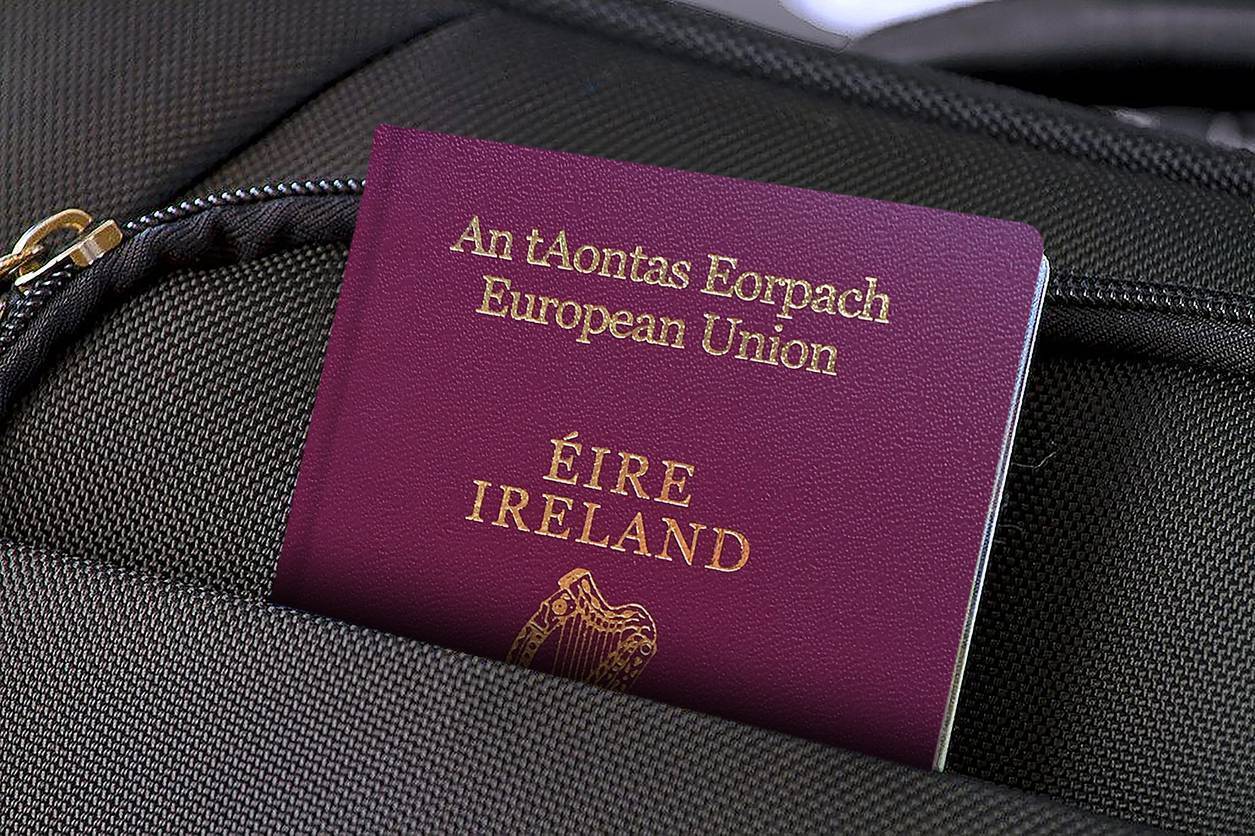
Suzanne Harrington has contributed to a new book that records the stories of people who have migrated to Britain, and says she was struck hearing the stories of how adaptable, resilient, and gutsy some people are. 
The book Suzanne contributed to, called 'What We Leave We Carry', explores what the 70 people had carried with them when they arrived, how people were received and how they changed over time. 

The book Suzanne contributed to, called 'What We Leave We Carry', explores what the 70 people had carried with them when they arrived, how people were received and how they changed over time. 

It's been a booky summer. I’ve finished writing one, contributed to another, and have been at various literary events talking about migration, the theme of the book I contributed to.

It’s called What We Leave We Carry, by the historian Colin Grant, and is a series of interviews with over 70 people who migrated to Britain from all over the world, gathered by 13 migrant writers. 

We writers spent a year or two hearing their stories — even the seemingly ordinary ones were extraordinary, because anyone who migrates will have a story. Upheaval, loss, gain, change. We dived in. We recorded them, and we told our own.

The book is divided into themes — how we perceived things before we arrived, what we carried with us (while others carried family recipes or precious bits of ephemera, I carried a letter from a Cork psychiatrist urging me to make immediate contact with mental health services on arrival in London — Eighties Ireland had quite literally driven me mad). 

How we settled in, how we found ourselves, what we missed, what we didn’t. How we were received. How we changed over time. How we didn’t.

The book is filled with lawyers, actors, poets, kickboxers, taxi drivers, novelists, bakers, artists, nurses, academics, filmmakers, even a policeman, coming from places as diverse as Ireland, Cameroon, Poland, India, Sierra Leone, Turkey, Haiti, Iran, Argentina, Ghana, Guyana, Romania, the Caribbean. Everywhere. Africa, Asia, Europe. Black, brown, white.


One Cameroonian poet, who was people-trafficked to Russia before escaping with his life, ended up with a PhD in Cardiff and now speaks Welsh; another poet from Warsaw was sneaked out from behind the Iron Curtain in 1957, aged four. 

There’s a baker from Co Down who had to leave the North in a hurry; a Jewish artist from Dublin exhausted from Eighties Catholicism; a Tibetan A&E nurse who regards racism as a form of mental illness.

In an era where the only acceptable face of migration seems to be Paddington Bear, books like this are a balm. Yes, travel broadens the mind, but books go one further — they allow you to travel into other people’s minds. They are weapons of empathy — no wonder they get banned.

What’s interesting is all the different ways migration changes your language, your food, your culture, how you interact with others; in London, I very quickly learned to pronounce words like Peugeot and buffet and bouquet correctly, and stopped saying "I’m after going to the shop" because people assumed I was speaking in the future tense, not the past. 

I stopped saying eejit. I discovered the British national dish — curry — and heard Black and brown people speaking with London accents for the first time. Being white, I had it easy; being a native English speaker, I had it easy. 

Forty years on, being Irish in post-Brexit Britain has cachet; the axis of demonisation has shifted in Britain — and shamefully, Ireland — towards the Black and the brown. The more visually obvious migrants, and their descendants.

What strikes you hearing the stories of migrants from further afield, is just how adaptable, resilient and gutsy people are. How polylingual. 

We gush over English speakers who can manage a bit of French or Spanish, but what about those who speak English outside, and something else entirely at home? Who can switch cultural codes in an instant, depending on who they are required to be in that moment? 

Migrants, says Colin Grant — his own parents, Jamaicans who landed in Luton, surrounded by Irish neighbours — are the bravest people on Earth. We are. We are all migrants from somewhere, and we make the world a richer place.

More in this section

Lifestyle

Newsletter

Eat better, live well and stay inspired with the Irish Examiner’s food, health, entertainment, travel and lifestyle coverage. Delivered to your inbox every Friday morning.

Cookie Policy Privacy Policy Brand Safety FAQ Help Contact Us Terms and Conditions

© Examiner Echo Group Limited