Esther McCarthy: Every era has its own type of weirdness, and my descendants will have questions
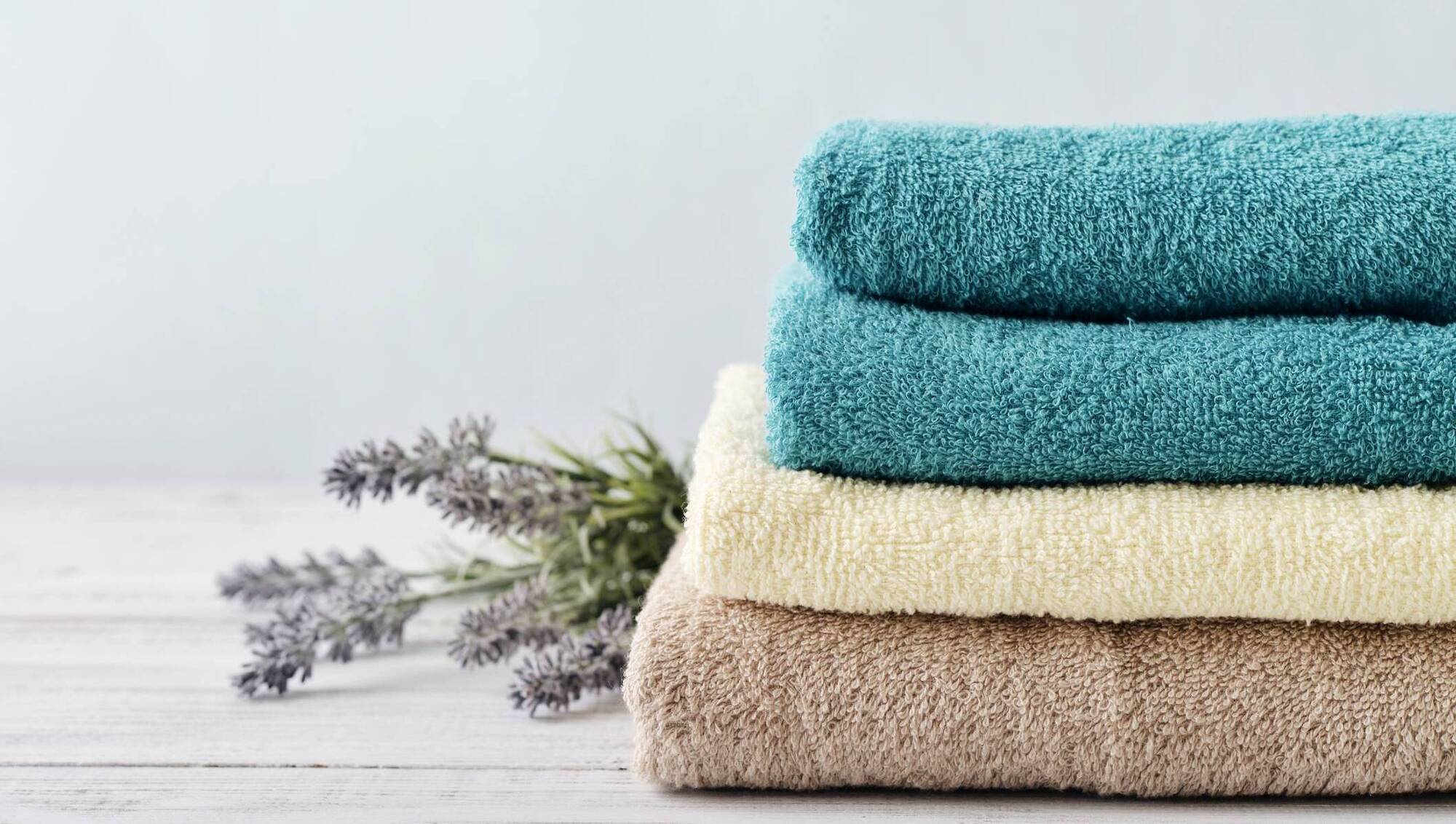
I found myself unnecessarily disgruntled the other evening when the youngest sashays down after his shower, wrapped in one of the Good Towels.
I was reading an interview with Mary Beard, a woman who has spent her career making the ancient feel relevant (no wonder I like her) and she posed a question. When we look at the Greeks and Romans, she said, we see their weirdness. So what are historians of the future going to find weird about us?
I am thinking about this as I stand in the kitchen, in the aftermath of a typical school morning, the destruction, the chaos, the blasted forgotten lunch bag. AGAIN.

Because if you want to understand any civilisation, you go to the domestic space, right? You look at what people kept, what they threw away, what they couldn’t explain but couldn’t stop doing. And on that basis, I think my descendants are going to have questions.
I found myself unnecessarily disgruntled the other evening when the youngest sashays down after his shower, wrapped in one of the Good Towels. “What the hell?!” I shout at him. Everyone is startled.
“What’s the problem?”
“That’s one of the ...good... towels...” I trail off.
Four pairs of confused eyeballs stare back at me. I sound insane to my own ears too. What have I become? I think to myself.
When did I start grading our cottons? And how did the little fecker get his (to be fair, I presume sparkling clean since he was just out of the shower) paws on one of the good ones? I have them hidden in the back of the hot cupboard.
Make a note to self to cop on a small bit, and also remove the stool from the bathroom.
But I know other people do it too. It might be the good room, or the good plates, or the good biscuits. Things that aren’t for the likes of the actual family. Future generations may struggle with this one, especially if the earth is the wasteland I predict it to be, and everything is in short supply. “They bought items specifically not to be used,” they might say, baffled. “We recovered objects preserved in mint condition. One Kimberleys Chocolate biscuit tin was found inside a dryer, with a note saying “Only to be opened if Fr O’Leary calls. I’m talking to you, Oisin. The Rich Tea are on the middle shelf.”
A dog dry robe that the dog will never wear but I always wanted to be the type of person who owns a dog with its own dry robe. Darts. So many darts. A soup maker that I can’t find the lead for. Blank birthday cards, enough for a nation. A button box. . A 1,000-piece jigsaw with 999 pieces. I KNOW I will find the missing bit as soon as I throw the rest out so now it’s a waiting game. I sometimes turn really quickly and yank out the sofa to see if it’s hiding there, and I might catch it by surprise, but it’s evaded me so far. And finally, four separate books on decluttering and the life-changing benefits of owning less.
Lurking inside, taking up precious space that could house that soup maker, is a big bag. Inside it, cooler bags. Inside those, smaller bags, a Russian doll system of madness.
“But didn’t they solve the plastic bag thing?” the future archaeologist might wonder, looking it up on their brain chip or whatever.
Yes we thought we did, but now live in fear of having to pay 95 cent for one, so we keep them like we are Gollum. They will hopefully note that the owners of this dwelling were opposed to single-use plastic, but they will also not fail to clock the quantity of online shopping packaging in the recycling. They may write a thesis about this contradiction. It will be well-received.
Mary Beard is right that every era has its weirdnesses. Sure, the Romans had their vomitoriums. We have…all of this.
The clutter, the chaos, the contradictions. If people are staring at the artefacts of our lives, I hope they see a house that was well lived in.
I really am sorry I never got to tidy those shelves: I just don’t know where the time went.