Richard Hogan: We need to take on Big Tech and let children really be children

Social media platforms plucked our children from real life activities and friendships and imprisoned them in their rooms, Richard Hogan
Richard Hogan: We need to take on Big Tech and let children really be children

Richard Hogan: 'Everything in a teenage brain is designed for peer reinforcement, feedback and attention. That is how they discover who they are... Social media platforms plucked our children from real life activities and friendships and imprisoned them in their rooms.'

It really feels like the woods are beginning to move against Big Tech. For too long now, they have had free access to our children’s attention and wellbeing.
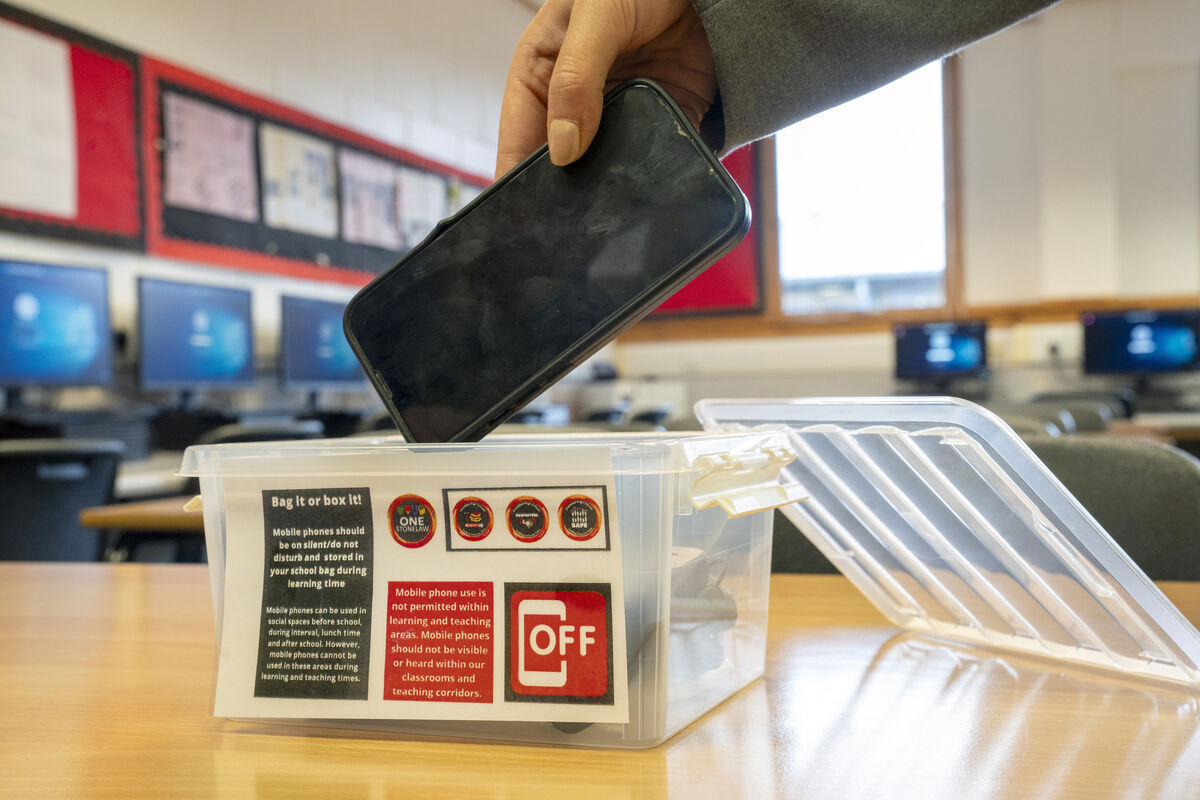
There is an entire generation born in the early 2000s who traversed this landscape unfettered and unprotected. The research coming out on that generation is quite staggering. I am currently interviewing Gen Z students to see what their lives are like now, having had unlimited access to a lawless social media environment and pandemic shutdowns — and what I’m hearing is incredibly sad...

Young adults in their 20s, in their prime, isolated, alone, anxious and lacking a sense of self that you’d expect to find in idealistic young people. A study of universities, carried out in 2019, found that anxiety was the biggest cause of adverse mental health issues among students. 

They are an unhappy generation. The data would back this up. Generation X was happier at this point in their lives than the generation that followed. We have to look at that data and make sure the generation coming is finally protected and allowed the opportunity to be children.

Social media platforms plucked our children from real life activities and friendships and imprisoned them in their rooms. During adolescence, teenagers will always pull away from parents with a preference for time with friends, but what we have seen in the last number of years is the withdrawal from their peers also. Creating a social wasteland. This has brought a profound isolation into their lives.

Everything in a teenage brain is designed for peer reinforcement, feedback and attention. That is how they discover who they are. No wonder they are anxious. Anxiety is the fear of an unknown future event, underpinned with a paradigm that you don’t have the skills to meet that unknown event.

Now, what would cause a surge in that mentality among our young adults? The answer is quite straightforward: lack of peer connection, lack of experience, and sense of mattering.

The bedroom is knowable and nothing in there will push your child to develop and increase their sense of themselves. The opposite actually happens, they become fearful of small talk, meeting people, making friends, going out and just socialising like we all did in the previous generation.

'I have noticed, in recent years, how students will not want to go to school if their friend is out sick.'

I have noticed, in recent years, how students will not want to go to school if their friend is out sick. They don’t feel like they have the skills to manage those awkward everyday interpersonal moments. That is the shrinking of our children’s resilience. And that has to stop.

TĂĄnaiste Simon Harris has been very vocal in recent months about taking on Big Tech and introducing a social media ban for under 16s. This is laudable but not the full answer.

The way I feel about it is quite simple. Imagine for a moment that our children have to walk through a toxic sewer on their way to school. The people who operate the sewer are making unimaginable profits from all the footfall.

Now, some well-intentioned people say, the Government should stop children from going through that toxic space at such a young age, and yes that is a good idea. No argument there.

Others say that parents should wrap their children up in protective gear so the impact of that toxic space isn’t so damaging, and yes again this is a decent idea.

Richard Hogan: 'Protecting children should not be activism. It is something we should always put first.'

But none of those ideas actually solve the problem of the sewer, they delay it and protect children a little bit. And while we are fighting about parenting v government, the sewer operators are laughing and hoarding their cash.

How about we make the sewer operators responsible for what they produce. Here is my simple solution... how about cleaning the sewer so children can walk down that space and enjoy all it has to offer, free from toxicity.

What would that look like?

  • Making Big Tech publishers, so they have to take responsibility for the content they allow on their platforms.
  • The use of AI tools to stop the proliferation of damaging content.
  • Age verification for children to access social media
  • Make digital literacy the official fourth pillar in a child’s education and make sure the people delivering that education are well trained.


This would empower future users to enjoy all it has to offer, while making them critical thinkers and tech savvy. We also have to change how Big Tech thinks. You can make loads of profit, while providing a healthy and positive space for children to enjoy. Profits still big, children safe, parents happy. It’s a win for everyone.

Protecting children should not be activism. It is something we should always put first. Once their innocence is gone, it’s gone forever. We have an entire generation lost to this phenomenon.

But we have all the data now to stop the next generation from similar outcomes. We can no longer be supine and ignorant to what is happening on these platforms. 

In the words of Tracey Chapman “finally the tables are starting to turn, talking about a revolution”.

But let’s turn the whisper into a roar.

More in this section

Lifestyle

Newsletter

The best food, health, entertainment and lifestyle content from the Irish Examiner, direct to your inbox.

Cookie Policy Privacy Policy Brand Safety FAQ Help Contact Us Terms and Conditions

© Examiner Echo Group Limited