Edel Coffey: The importance of everyday enchantment in nihilistic times
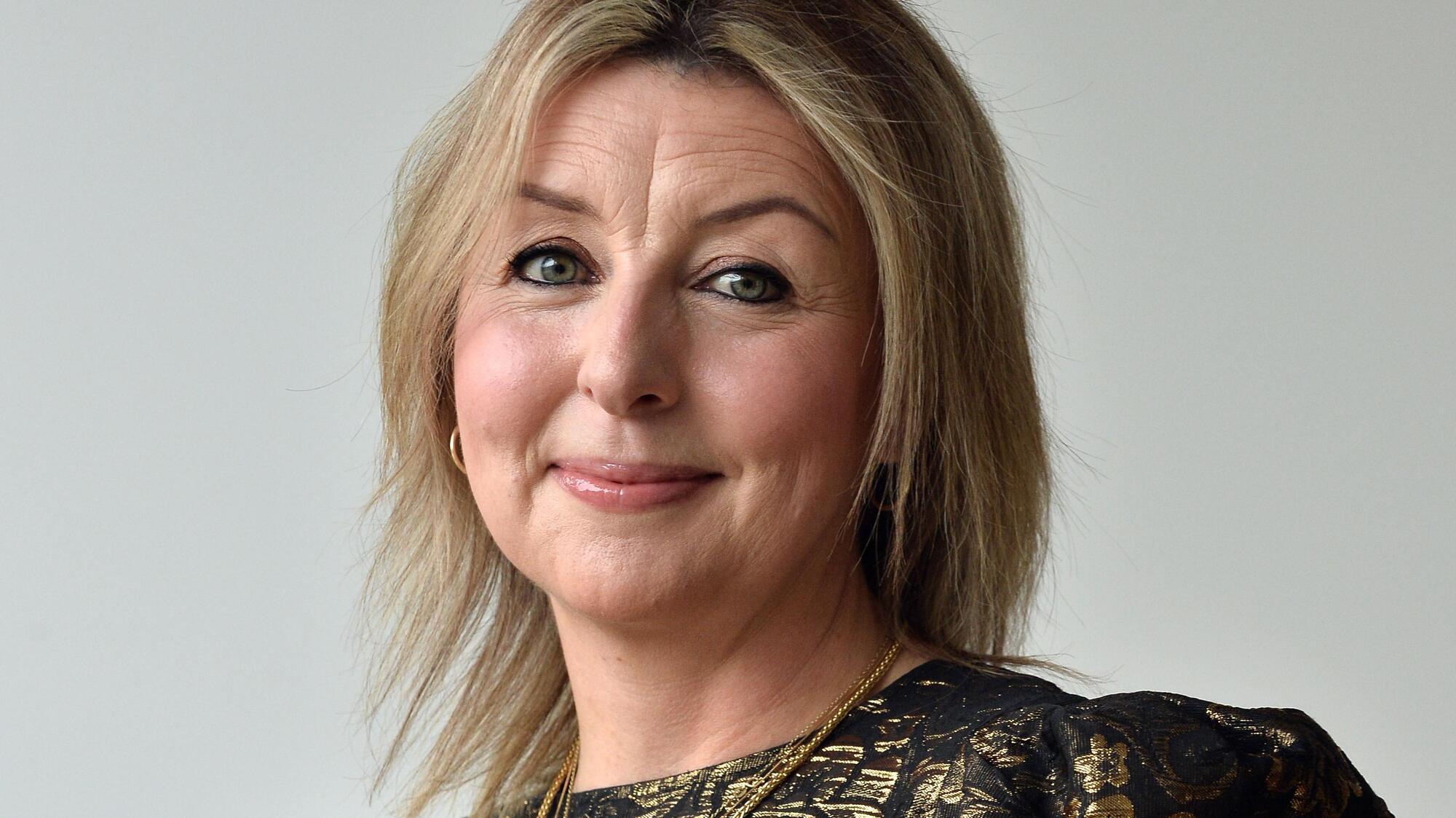
Edel Coffey: letting yourself experience wonder can be a tonic for the times. Photo: Ray Ryan

I came across the term ‘alone audit’ last week. It was part of an article about how difficult it is for some people to be alone. I was reading this article with some irony, considering I am never alone, but this so-called alone audit captured my attention because it was suggesting things that people might do to help them be more content and comfortable in their solitude.
The kind of aloneness the writer was talking about wasn’t the kind most of us are taught to fear — being lonely with no ability to soothe ourselves — but rather the kind of solitude that mothers of young children fantasise about. I call it ‘luxe loneliness’: Reading, walking, exercising, cooking, going to an art gallery, collecting things, and being creative.
I realised that these are things most of us enjoy doing if we have the time and the resources to do them but they are also often the first things to go in our busy lives. We tell ourselves we are too busy for such trivialities. We consider them unnecessary, dispensable, despite the fact they are the very things that give us simple and easy pleasure when we are stressed out or overworked.
Later that week, I came across an interview with the author Katherine May, who has just published a book called Enchantment: Reawakening Wonder in an Exhausted Age. May wrote the book in response to the anxiety and burnout that has emerged as a kind of co-morbidity, so to speak, of the coronavirus pandemic.
The book is all about rediscovering wonder in the small pleasures of life and rediscovering the state of ‘enchantment’ in our lives. May says the things that make us wonder, make us happy. But often when we think of wonder, we tend to think of huge spiritual experiences or enormous life-changing moments or awesome natural wonders like Niagara Falls or the Grand Canyon.
But wonder can come from something as small as having a coffee in the early-morning silence or watching a bird going about its business on the bird feeder in your garden. It can also come from those aforementioned antidotes to loneliness: Reading, walking, exercising, cooking, going to an art gallery, collecting things, and being creative.
May says that wonder is accessible to everyone everywhere, that we can find wonder and awe in the smallest things; we just need to give ourselves permission to enter into it as adults in the way we did as children.
I’m sometimes aware of this when my own children invite me to colour with them or build a jigsaw and I find myself getting lost in the task or losing track of the minutes as they slip by. The endless list that runs on a loop in my head takes a break and I realise after a while that I’m relaxed and calm and content.
During the Easter break, I introduced my daughters to knitting. I was trying to think of things that we could do that didn’t involve conspicuous consumption or spending too much money. They were instantly absorbed in this novel activity and loved making pom-poms and, even better, ordering me to make all sorts of outfits for their dolls. As I sat there knitting tiny clothes, I realised I was enjoying the act of using my hands to make things, something I rarely do. My mind cleared, my mood improved, I felt a sense of achievement, and, bonus, my daughters’ dolls had a new wardrobe that had cost nothing.
In an interview about her book, May said, “As I got older, those things began to feel silly to me, honestly. And I felt like I had to give up on them. I felt like it was embarrassing to get interested in a rock in the garden or to have a deep engagement with the petals of a flower or a bird. When I was even older, I felt like I had to identify with the rational people, like I had to pick sides and that I would’ve felt embarrassed to be engaging in something as delicate as enchantment.” The concept is otherwise known as putting away childish things.
But May argues that giving ourselves permission to engage with ‘enchantment’ helps us defend against the nihilistic feelings, the sense of meaningless, that can be part of living in this post-pandemic era.
It may seem silly or embarrassing or futile to buy yourself some colouring pencils and a colouring book, a jigsaw, or some knitting needles and wool, or to return to a musical instrument you played as a child to try and make yourself feel better when the world seems so frightening, like rearranging deck chairs on the Titanic. But on the other hand, when there are so many things to fear, wouldn’t it be silly not to let some wonder and joy in?