Edel Coffey: If we have 'enough', surely, we can all be as happy as Finland?
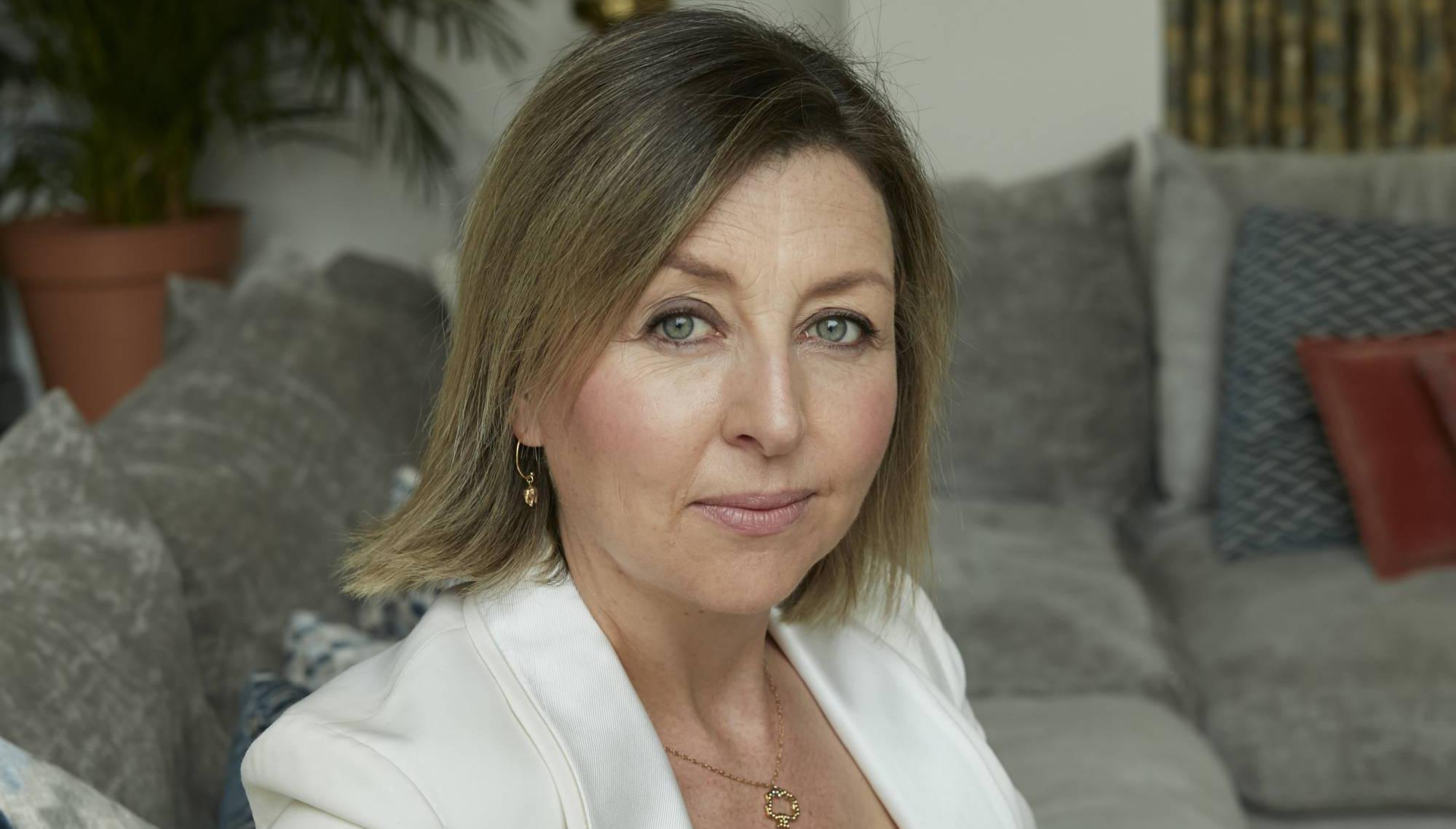
Edel Coffey: the ability to mind our basic needs leads to satisfaction. Picture: Bríd O'Donovan

I had lunch with a friend last week. She looked great, brighter and happier than I had ever seen her, in fact. I wondered had something changed in her life.
Nothing really, she said, apart from the fact that she had released herself from a self-imposed pressure to achieve an old goal that she wasn’t even sure she still wanted to achieve.
It had been bothering her, weighing on her like an unticked task on a to-do list, eating away at her serenity.
Until she realised she could just delete it from the list. Now, she found she was happy in her work, in her home life and was enjoying her hobbies again.
Instead of torturing herself with an old goal, she had simply let it go, realising that her life, as it was, was enough. In short, she was happy.
There are some weeks when it feels like the universe is trying to tell me something.
Everywhere I looked last week I saw messages about how to be happy, from the poet Salena Godden talking about her new collection to the UN World Happiness Report 2023 voting Finland the happiest country on earth for the sixth year in a row to the writer Raymond Carver’s meditation on happiness popping up on my Twitter feed. It seemed like the theme of how to be happy was everywhere I looked.
Okay, so maybe it wasn’t the universe. It was probably just the algorithm trawling and regurgitating my own data in its little echo chamber, but still, it got me wondering about that very big concept that seems to be the central question of modern lives: How to be happy.
The Finns themselves objected gently to the title of happiest country on earth, with a selection of people interviewed by the New York Times preferring to describe themselves as quite gloomy or a little moody.
When asked what they thought explained their top ranking, two things came up again and again — their excellent social security system, which provides a safety net that allows people to pursue artistic lives if they want to and gives everyone a sense of security and of being included in society, but also their sense of what having ‘enough’ was.
For them, ‘enough’ was simple. It wasn’t about having huge, luxurious houses or a constantly changing wardrobe of designer clothes or lots of cars.
That concept of ‘enough’ struck me as central to the Finns regularly topping the happiness index. If we have enough, surely, we can all be happy? Enough food to eat, enough shelter?
If the basic, simple needs we have as humans are looked after, surely happiness will follow even through the smallest of pleasures — a game of boules in a park, a robin trusting us enough to come close, a cup of coffee with a friend.
Ireland is ranked 14th on the happiness list, coming in just after Canada and just ahead of the United States. In many ways we have a lot in this country, more than most, and yet, with our long-running housing crisis, we still don’t even have enough. We still don’t have the bare basics required.
Much as we are complex beings, our requirements for happiness are simple. In Raymond Carver’s poem , he describes an early-morning scene of two boys, friends, on their newspaper delivery round, in the changing light of the dawn. Carver is overtaken with emotion at the perfection of the scene.
‘Such beauty that for a minute/death and ambition, even love,/doesn’t enter into this./Happiness. It comes on/unexpectedly. And goes beyond, really,/any early morning talk about it.’
Carver knew that happiness didn’t require the big things, like love or ambition, and could even provide momentary relief from that other big thing, death.
Like the Finns, he knew that happiness came from the simplest of things, but crucially, he was observing this happy scene from the security of a home with his morning coffee in his hand. His basic needs were met enough so that he was free to stand and enjoy the simple scene of happiness through his window.
When our basic needs are met, we are free to be happy. I was reminded of the writer Joan Didion’s very basic packing list that she kept pinned to the inside of her wardrobe for when she needed to pack a bag quickly for a short-notice reporting job.
In her most famous collection of essays, , Didion says the purpose of the list was to allow her to pack ‘without thinking’, much the same way as Diane Von Furstenberg designed her revolutionary wrap dress so that women could get dressed without thinking.
I think that is as good a metaphor as any for how we might find happiness. If we can live ‘without thinking’, by which I mean live without having to constantly worry about our basic needs, then we will be free to get on with the really good stuff, the joy of living, in short, happiness.