Edel Coffey: It's time for Ireland to reflect on misogyny and injustice
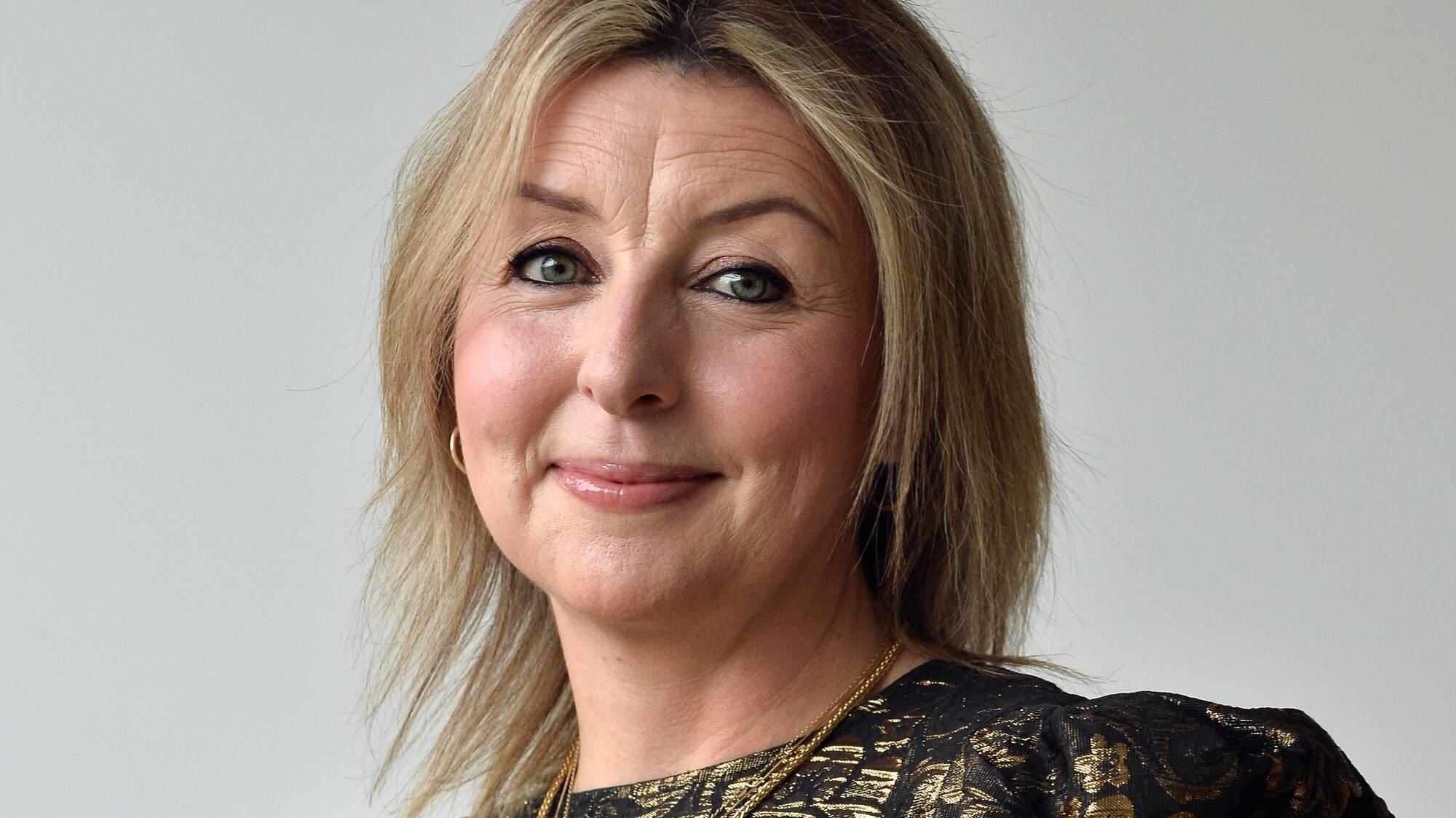
Edel Coffey: time for Ireland to reckon with a legacy of misogyny. Photo: Ray Ryan

I WAS reminded of a phrase last week, a form of therapy called ‘life review’. It’s a technique used by therapists with older patients as an exercise to help them make sense of their lives. The first time I heard about it was when Jane Fonda spoke about it. She had done a so-called life review when she turned 60 in the hope of having a happier, more fulfilling “third act”. She wanted to address the issues that had affected her when she was younger — her bulimia, and her people pleasing, amongst other things.
A life review is a way of looking at your life up until now and seeing if you can reflect on it, learn from it, maybe even redefine yourself as someone completely different to who you were when you were young. As Jane Fonda put it, you could even become the person you might have been.
I was reminded of the phrase this week because I was thinking that Ireland could really benefit from a cold, hard course of life review therapy right now.
Last Friday week, I was driving to Dublin. I had my 12-year-old son in the car with me and the radio on. There was only one story. A man and a woman had been questioned in relation to the Kerry Babies case. I tried to give my son a crash course in Irish social history, Catholic Ireland’s power, misogyny, how girls who had sex before marriage were treated back then, the shame of women bearing ‘illegitimate’ children, the lack of contraception, the Magdalene laundries, etc.
The conversation took us nearly as far as Dublin. His eyes grew wider with each new and unbelievably cruel detail. He shook his head in disbelief.
The part that was most difficult to explain was how women could be incarcerated without having committed any crime, and how babies could be taken away from their mothers without anyone stepping in.
I found it hard to explain how in 1984, if you were a young, single woman who was unlucky enough to get pregnant, justice, the law, kindness, and empathy were unavailable to you. Rights didn’t come into it.
The journalist Anne Lucey spoke later that weekend on the Brendan O’Connor radio programme about how 1984 was actually a “peak of misogyny” in Ireland.
It was so misogynistic, in fact, that the word misogyny wasn’t even used. “It was just accepted that you had few rights in the society,” Lucey said.
Another thing that was said again and again last week was how difficult it was for young people to understand what Ireland was like back then, how difficult it was for us all to believe that these things actually happened. The past was like another country we said. But the past is not another country.
The past is, at best, an island connected to the mainland of the present. It hasn’t gone away.
If you don’t believe me, let me ask you, can you honestly say there is still no social stigma around a young girl becoming pregnant while in school in 2023? Can you really say there is no misogyny when menopausal women have to beg their doctors for HRT?
Can you say Catholic power no longer holds sway when plans for the new national maternity hospital to be built on land originally owned by the Religious Sisters of Charity caused so much concern and consternation?
Can you honestly say that misogyny is a thing of the past when women were not informed of inaccurate smear test results, the difference between life and death for many, in what became the Cervical Check scandal?
Can you say there is no stigma around motherhood when a one-day-old baby was found alive, wrapped in a black plastic bag, by the side of a road in Dublin in 2015. (Baby Maria, remember her?)
Or that there is no misogyny when a raped and suicidal asylum seeker, Ms Y, was denied an abortion in April 2014 and forced to have that baby by C-section in August 2014. That’s not even a decade ago. Does that really sound like a different country to you?
We’ve learned the word misogyny now. It’s easy and familiar and it rolls off our tongues as we talk about it as a thing of the past.
But if we are to mature out of this phase of punishing and shaming women — which we still do by the way — we have to dig down deep to what first developed that awful misogynist mindset in this country and pull it out by the root. Only then will the past be another country.