Edel Coffey: Is financial literacy more than about the numbers?
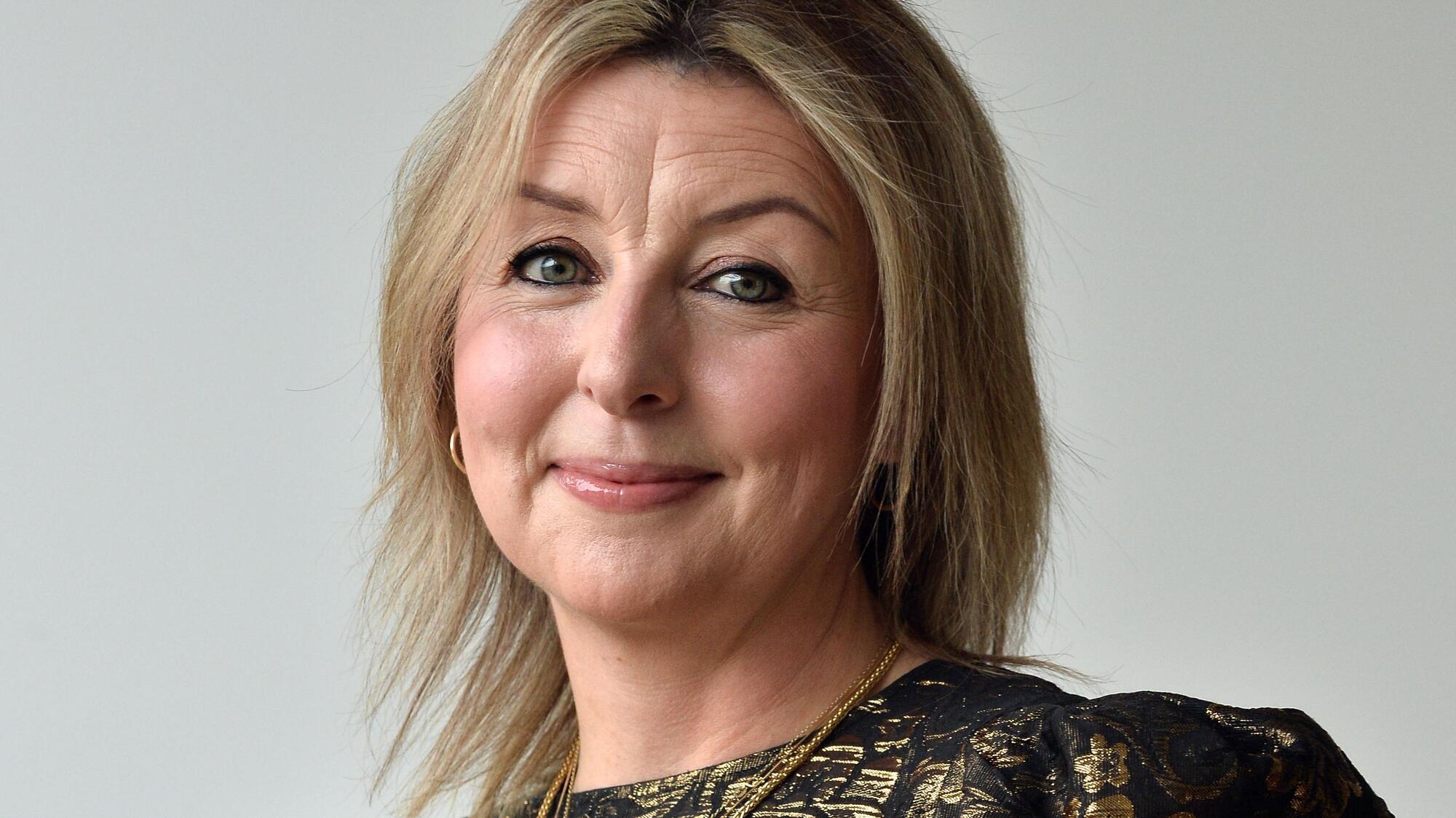
Edel Coffey. Picture: Ray Ryan

Just over a year ago, I read an article in the by the rock star Courtney Love. She was talking about the about the idea of ‘financial literacy’ and how she had made and lost millions because she had failed to educate herself when it came to her finances.
I wondered how financially literate I was. I had the basic skills of knowing what goes out of my bank account should not exceed what comes in, but that’s not the same thing as being fluent in finance.
The concept of financial literacy has sat at the back of my mind ever since reading that article, mainly because I suspect I’m not very financially literate myself. I’m not irresponsible, but I was definitely short-termist about money in my 20s and 30s. I never looked into savings schemes or pensions or investments, probably because I didn’t think I earned enough to do so. I didn’t even have a credit card until it became inconvenient to book a flight without one and I still have the same entry-level minimal credit limit on my card to this day.
I thought about what a financially literate person might look like? Would I have to keep a ledger, making detailed credit and debit entries and balancing the books at the end of each day? Or is financial literacy about more than just the numbers? Numbers are logical, straight-forward. It’s emotions and bad habits that mess things up. And make no mistake, money and emotions are deeply connected.
Perhaps that’s why we sometimes get led astray, spending with our hearts, instead of our heads. One of my strongest childhood memories is of my mum winning £100 in a raffle, which was a fortune back then. She took me and a friend out to the shops, bought us both a doll, an unheard-of double extravagance, and then took us to McDonald’s afterwards. It is engraved in my memory not only because it was rare but because it was spontaneous, unplanned.
That never happened.
The sensible thing to do, of course, would have been to put the money aside for unexpected expenses, of which there were many, I’m sure. But I’m also sure that there was financial psychology at play in my mum’s decision-making that day. I wonder now did she just want to enjoy the unfamiliar feeling of blowing the money, of splashing out without the buzzkill of responsibility looming nearby.
Perhaps that feeling was worth more than the £100 to her. As a Mastercard ad might say: Winning £100? Nice. Spending it all with abandon as if you have thousands more in the bank? Priceless.
I suppose it is these emotional facets of money that can easily derail our finances. I remember spending my first real pay cheque from my first real job on a pink suede coat (which died an untimely death in an encounter with a pint of Guinness). I bought it in Brown Thomas. That was significant too.
I had never bought anything from Brown Thomas in my life but by the time I graduated from college and started my first job in the noughties, the Celtic Tiger had arrived, and suddenly it was okay to spend our hard-earned money, or so we thought. (It’s no coincidence that was on our screens at the same time, selling designer clothes and lifestyles to young women like me.)
I should have invested that first pay cheque, and the ones that came after, but I wasn’t just buying a jacket that day. I was buying the feeling of being a grown-up woman in the world. And that’s the complicated point at which money, psychology, emotion and financial literacy become entangled. Sometimes a purchase is not just a decision about whether it makes financial sense or whether it’s frivolous or whether you can afford it or not.
But even Carrie Bradshaw had to come to terms with the harsh reality of financial illiteracy. Season four, episode 16 to be specific. You know the one where Carrie realises she’s spent the equivalent of a $40,000 house deposit on shoes over the course of her working life and now has nowhere to live?
There comes a time when we all must engage with our level of financial literacy. I am resolved to make my 40s more financially savvy than my 30s and 20s. I know that’s going to involve a bit of effort and self-education. I think a lot of our adult behaviours about money actually come directly from our childhood experiences.
As an adult, I worry about not having enough money. Like most Irish people who grew up in the 80s and 90s, I remember money being tight as a child. It doesn’t take a genius to figure that one out. It’s easy to trace a direct line from the childhood experience to the adult fear.
We might not like to admit it, but maybe gaining a better understanding of our finances is not about gaining a better understanding of the numbers, but gaining a better understanding of ourselves.
And maybe that’s why becoming financially literate is so difficult.