Louise O'Neill: Jesy Nelson, 'blackfishing' accusations, apologies, and cancel culture

Jesy Nelson of Little Mix

Jesy Nelson, a former member of the girl band, Little Mix, released her debut solo single last week. Both the lyrics of the song, in which she described loving ‘bad boys’ who are "so hood, so good”, and the video itself have been criticised; Nelson has been accused of ‘blackfishing’, altering her physical appearance with lip fillers, excessive tanning, and wearing traditionally Black hairstyles to look more racially ambiguous. (Nelson has denied these accusations, saying she’s “very aware” she’s a white woman)
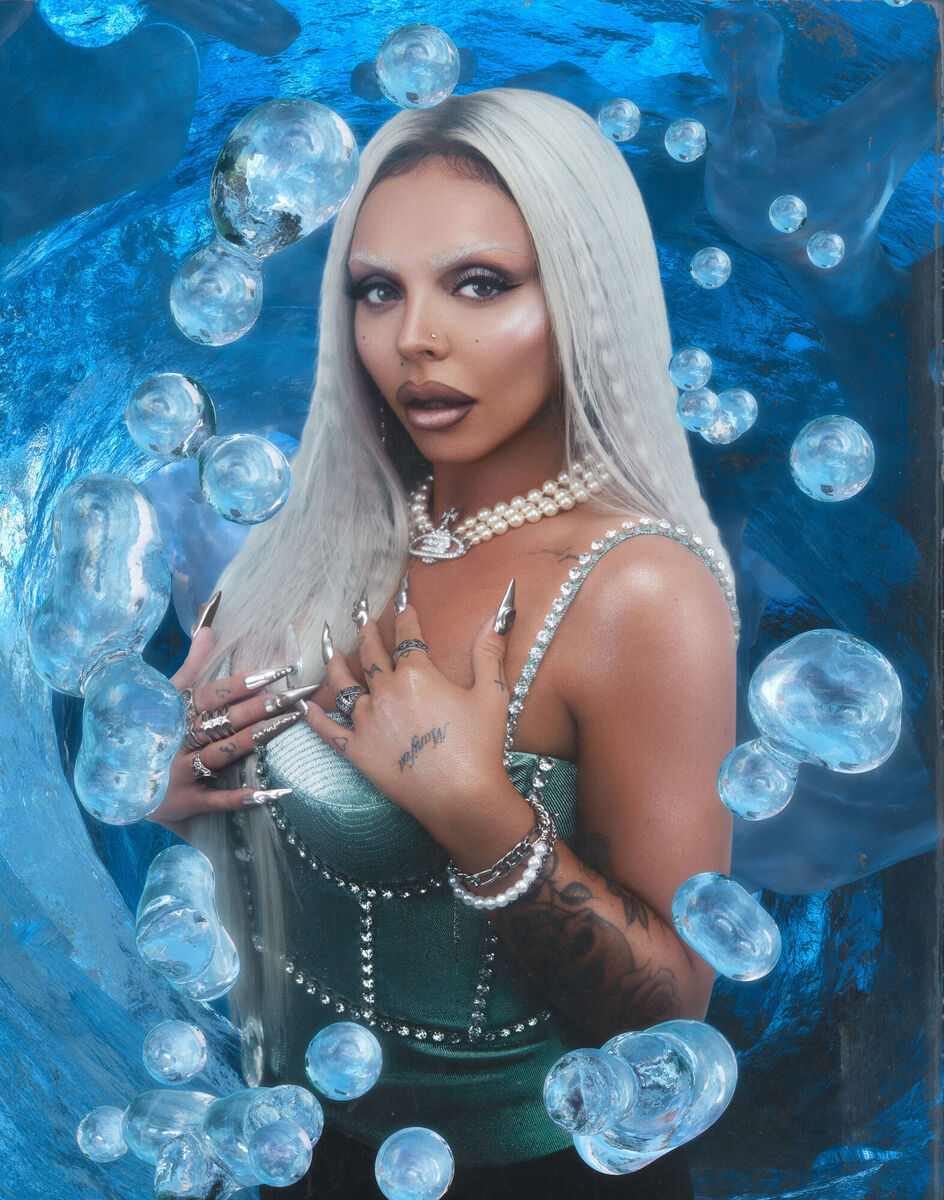
The singer has been open about her mental health issues in the past, fronting an award-winning documentary in 2019 exploring how the online trolling about her looks and weight led her to suicidal ideation, and she has since spoken about the steps she’s taken to protect herself from the relentless noise of social media.
When I was reading an interview with her in Vulture, in which the journalist, Douglas Greenwood, attempts to ask about the blackfishing controversy (Nelson cancelled two follow-up calls to discuss the issue), I was struck by this passage: “There’s a striking sense,” Greenwood writes in the piece, “that Nelson views social media as a source of emotional burden, the very thing that drove her to attempt to take her life eight years ago; now, when any backlash arises from that source, especially directly related to her public presentation, that line between malicious trolling and fair criticism seems to blur and erode internally… Perhaps having spent half of that era shielding herself from the internet for her own protection has left her vulnerable to self-sabotage.”
It’s a tricky one. On the one hand, this is the advice we give to those being trolled online — turn your phone off. Don’t read the comments. Ignore the haters. But what if the backlash is warranted? I’ve seen this play out recently, where people cry ‘cancel culture’ rather than taking responsibility for their own missteps.
As the Wellness Therapist says, “getting fired from your job, getting reprimanded, or losing some customers/friends due to your own racist, antisemitic, homophobic, transphobic comments… isn’t cancel culture. It’s called consequences. It’s the other half of self-sovereignty and personal responsibility.”
Even when we are not talking about blatant racism or homophobia, if people feel offended by your actions, it’s their right to pull you up on that. Brushing their hurt off as ‘trolling’ is a deliberate attempt to obfuscate the matter at hand. It dismisses their feelings — and is often a very effective way of painting a marginalised community as either too sensitive or dangerous and violent — but it also stunts our ability to learn from our mistakes. In order to do that, we have to be able to differentiate between trolling and legitimate criticism.
I’m not the person receiving hundreds of messages from strangers explaining in minute detail exactly what I have done wrong. But as much as I can acknowledge it must be a frightening experience, I don’t know if doubling down and refusing to listen to any feedback is the answer either. I’ve never been the subject of a Twitter pile-on but a few years ago, a young, Black woman called me out on writing a column that only mentioned white writers. I felt embarrassed to be called out publicly and ashamed of the fact that I hadn’t noticed it myself, and the temptation was there to get defensive. 'I didn’t mean it like that! I’m doing my best!' I wanted to whine like a petulant child, before I took a breath, thanked her for pointing out my blind spots — which was not her job to do – and promised to be more mindful going forward. It was an excellent lesson. Good intentions are important but if the execution fails, they can’t be used as an excuse.
Perhaps the real issue here is that as helpful as social media has been in disseminating political ideas and giving voice to marginalised communities, it is not always the best space to have these conversations. By its very design, social media requires us to be brief, and what was once complex becomes simplified, stripped of all nuance. In real life, we acknowledge that when people we love make mistakes, it doesn’t make them monsters. We give them the same grace we hope will be afforded to us in turn, because it is inevitable that we will mess up too. That’s just part of being human. But surely one of the first rules we were taught on the playground is that when we make mistakes, we have to quickly apologise to the people we’ve hurt. A proper apology. A sincere one. We don’t insist they’re the ones bullying us. We just try our best to ensure we don’t repeat the same mistake in the future. If children can do this, what’s our excuse?