Louise O'Neill: Should billionaires exist?
When individual people have more wealth than the entire GDP of countries, it’s time to acknowledge that we have a serious problem
Louise O'Neill: Should billionaires exist?

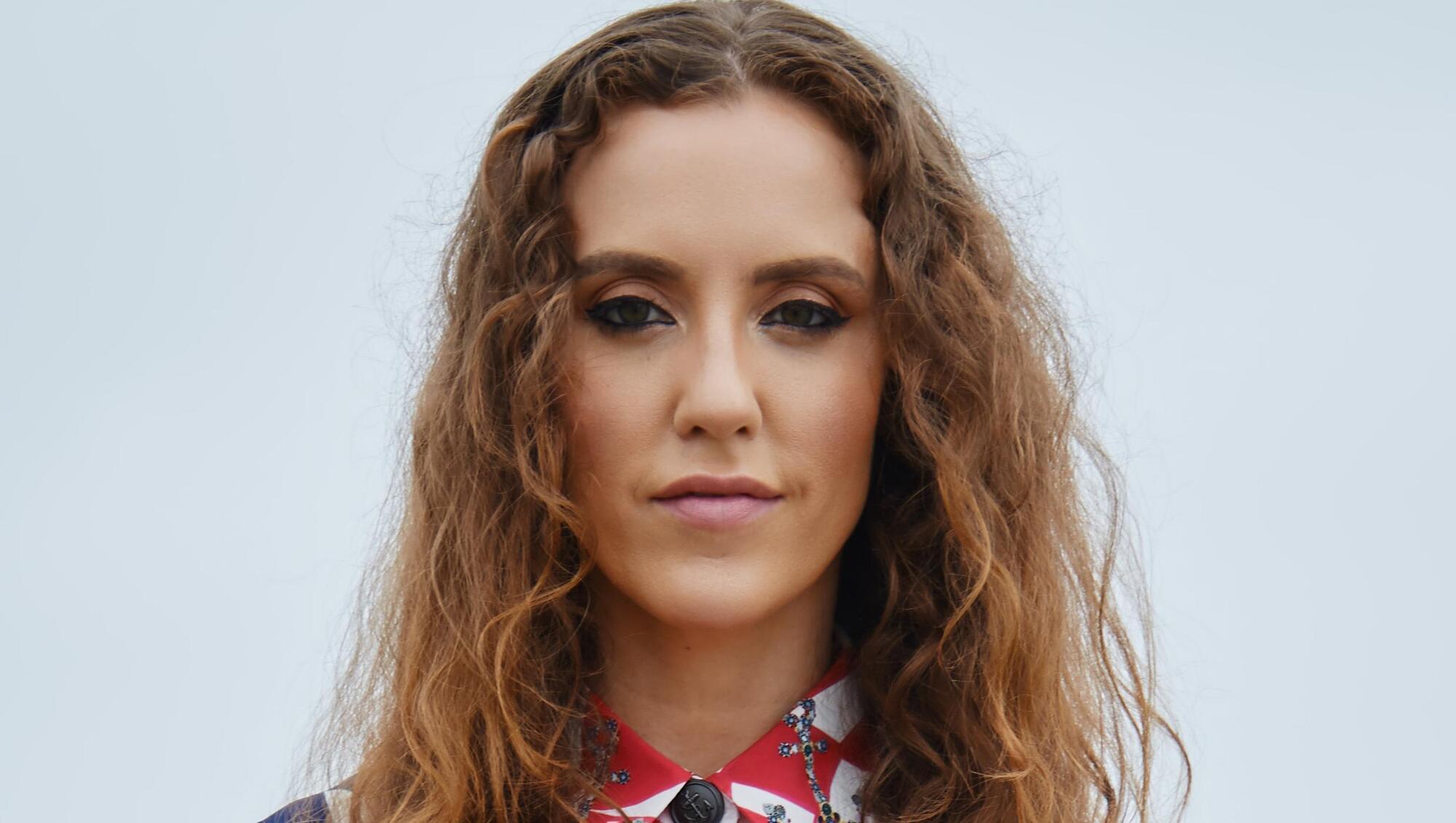
Why are we applauding billionaires for doing the bare minimum? Picture: Miki Barlok

In 2020, Business Insider reported that of the United States’ 615 billionaires, only seven were Black. Oprah Winfrey was the lone Black woman on that list but last week, it was announced that Rihanna would be joining her, with Forbes estimating her net worth at $1.7 billion.

It’s striking to note that both are self-made Black women who have centred inclusivity and philanthropy at the heart of their respective empires. Not only has Rihanna’s charitable foundation donated millions of dollars to Covid relief over the last year, she has done incredible work in highlighting the surge in domestic violence during the pandemic, creating a grant to fund support in the form of shelters, food, and therapy for victims and their children.

It’s hugely significant to see Black women generate this sort of wealth, given that the gender pay gap disproportionately impacts them. On average, white women in the US earn .79 cent for every white man’s dollar but Black women earn only .63 cent for every dollar. Over a 40-year career, this can amount to a Black woman earning almost a million dollars less than her white male peers. 

While America still refuses to pay reparations to its Black citizens for its history of slavery, apartheid, Jim Crow laws, and land loss, leading to an ever-widening racial wealth gap in the country, it’s hard not to fist-pump the air at Rihanna’s elevation to billionaire status.

Yet here is the question I’ve been grappling with for some time now — should billionaires even exist? A blogger called Emily Enriquez Livingston created a series of Instagram graphics to explain that since the human brain has not evolved to understand large numbers, it’s difficult for us to conceptualise what one billion even looks like. To put it into context, she explained, one million seconds is like 11 days but one billion seconds is 32 years.

You would have to earn €1 million a month for the next 83 years to earn €1 billion. It would take you 274 years to spend €10,000 a day and since the median life expectancy in Ireland currently stands at 82 years (the global median is 72 years) it is quite literally impossible to spend that fortune in your lifetime. Remember — that’s only one billion.

Jeff Bezos is worth $193.8 billion. Elon Musk is worth $185.5 billion. Bill Gates, $131.6 billion. Bernard Arnault, the head of the world’s leading fashion brand, $198.9 billion.

In 2019, Time magazine reported that the world’s top 26 billionaires own as much wealth as the poorest 3.8 billion people in the world. And during the pandemic, when many people were not only faced with the death of loved ones, but also potentially losing their homes, this collective of the ultra-wealthy saw their net worth increase by $565 billion.

Hoarding resources

This isn’t a criticism of talent or business acumen or genius, rather a criticism of the hoarding of resources. I’m not a communist so I’m not arguing for the equal distribution of wealth but after I read a terrifying article about signs of the collapse of the Gulf Stream (one of the planet’s main tipping points that would have catastrophic consequences for us all), I googled how much it would cost to end global warming. Estimates start at $300 billion.

The top 100 of the richest people could contribute three billion each and still have tens of billions of dollars left over. They could eliminate homelessness and starvation. They could ensure that every man, woman, and child on this planet has access to clean drinking water and life-saving medicine. And they haven’t.

Yes, there are billionaires who have supported good causes but still, it’s only a small fraction of their money. Bill Gates donated $589 million in 2019 — 0.6% of his net worth (for comparison, this would be like if you earned €50k a year and set up a €25 monthly direct debit to charity. Commendable but hardly remarkable). 

Jeff Bezos gave $100 million to Feeding America, but spent $5.5 billion dollars to be in space for four minutes.

Afterwards, he thanked Amazon workers and customers for enabling that trip and it was almost impossible not to think of the countless — and often harrowing — reports of his company’s workplace practices; the most egregious of which was an undercover investigation by a local newspaper in 2011 which found Amazon’s Pennsylvanian warehouse was not airconditioned. Workers were forced to toil in 38°c heat, with ambulances waiting outside in case of casualties.

Why are we applauding billionaires for doing the bare minimum when so much of their wealth is derived from the exploitation of the working class? And, perhaps most importantly, why are we not demanding they pay their fair share in taxes?

I want to be clear — I don’t think money is the root of all evil. On the contrary, I want to enjoy financial freedom. We all need money in order to survive and we deserve to be paid well for our work. If someone is particularly brilliant or talented or has created something that will change the world, they should be richly rewarded for that. 

It’s especially important that women, Black people, the LGTQ+ community and others from marginalised communities be given equal opportunities to build wealth — for too long, money, and therefore power, has remained in the hands of straight, white men.

But when individual people have more wealth than the entire GDP of countries, it’s time to acknowledge we have a serious problem.

x

More in this section

Lifestyle

Newsletter

Eat better, live well and stay inspired with the Irish Examiner’s food, health, entertainment, travel and lifestyle coverage. Delivered to your inbox every Friday morning.

Cookie Policy Privacy Policy Brand Safety FAQ Help Contact Us Terms and Conditions

© Examiner Echo Group Limited