Up to 50,000 people in Ireland may have autism
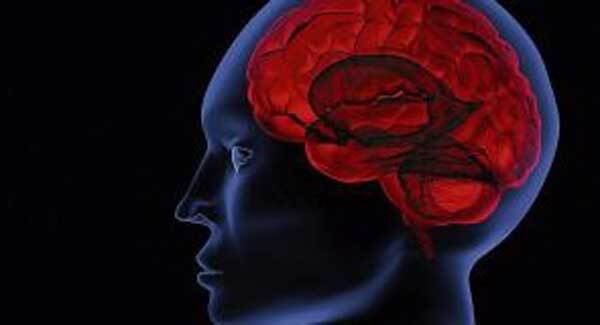
Research conducted by Dublin City University puts the incidence of autism in Ireland at 1% of the population at least, similar to rates in the UK and US.
Researchers from the university’s School of Nursing and Human Sciences have completed a study, entitled Autism Counts, which sheds new light on the prevalence of Autism Spectrum Disorders in Ireland.
Funded by Irish Autism Action, the study is the first of its kind in Ireland and the findings are published today to coincide with World Autism Day.
Parents of almost 8,000 national schoolchildren in mainstream and special education schools across Cork, Waterford, and Galway cities were administered an ASD screening questionnaire on behalf of their child. The total number of children identified with a diagnosis of ASD was 63, giving a prevalence rate of 1%.
Within special education schools in the study regions, 36 children were identified with an autism diagnosis, giving an estimated 52% prevalence rate for this population.
Dr Mary Rose Sweeney, one of the lead researchers, said the process of screening and diagnosing ASDs is complex, requiring input from multiple social, educational, medical, and psychological services.
“Standardising the diagnosis process across all these stakeholders will allow us to better determine prevalence rates across the country and, correspondingly, deliver more effective policy responses to autism spectrum disorders,” she said.
Recommendations made in the report include the continued monitoring of prevalence rates over time in Ireland, a register of all children diagnosed with ASD and economic evaluation of the costs and benefits of ASD intervention.
The DCU study team of principal investigators, Dr Sweeney and Professor Anthony Staines, and co-investigator Dr Andrew Boilson, is currently collaborating on a three-year European autism research programme.
The research will determine the prevalence of autism in Europe. It will also analyse the economic and social costs of autism and develop proposals for early detection of the condition.
Meanwhile, to mark World Autism Awareness Day, the Irish Guide Dogs organisation is calling on people to support its assistance dog programme.
The charity is also launching a national lobbying campaign to deliver a tax allowance for families of children with ASD who utilise a working dog in Budget 2017.
Speaking on the difference the tax allowance would make to their family finances, Brian Galvin, an assistance dog owner, said: “As parents we have many extra costs to help Adam with his ASD. We have found Nikita (their dog) to be an essential aid for Adam and we could not imagine our lives without her. Every little helps and an assistance dog allowance would certainly be a big help to Nikita’s food and vet care.”
Chief executive Pádraig Mallon added: “Our visually impaired clients have been in receipt of this tax allowance and we now feel that it is time for our families of children with autism to be treated in the same way.
“Extending this allowance to families working with an assistance dog would be a very powerful gesture from government that would not have a massive expense on the taxpayer.”
CONNECT WITH US TODAY



Be the first to know the latest news and updates