I attended a chocolate tasting with a Swiss master chocolatier — here's what I learned
A Lindt tasting event as part of Cork on a Fork at the end of summer combined cocoa and acid flavours and brought people together, showing how a love of chocolate can connect us, says Breda Graham
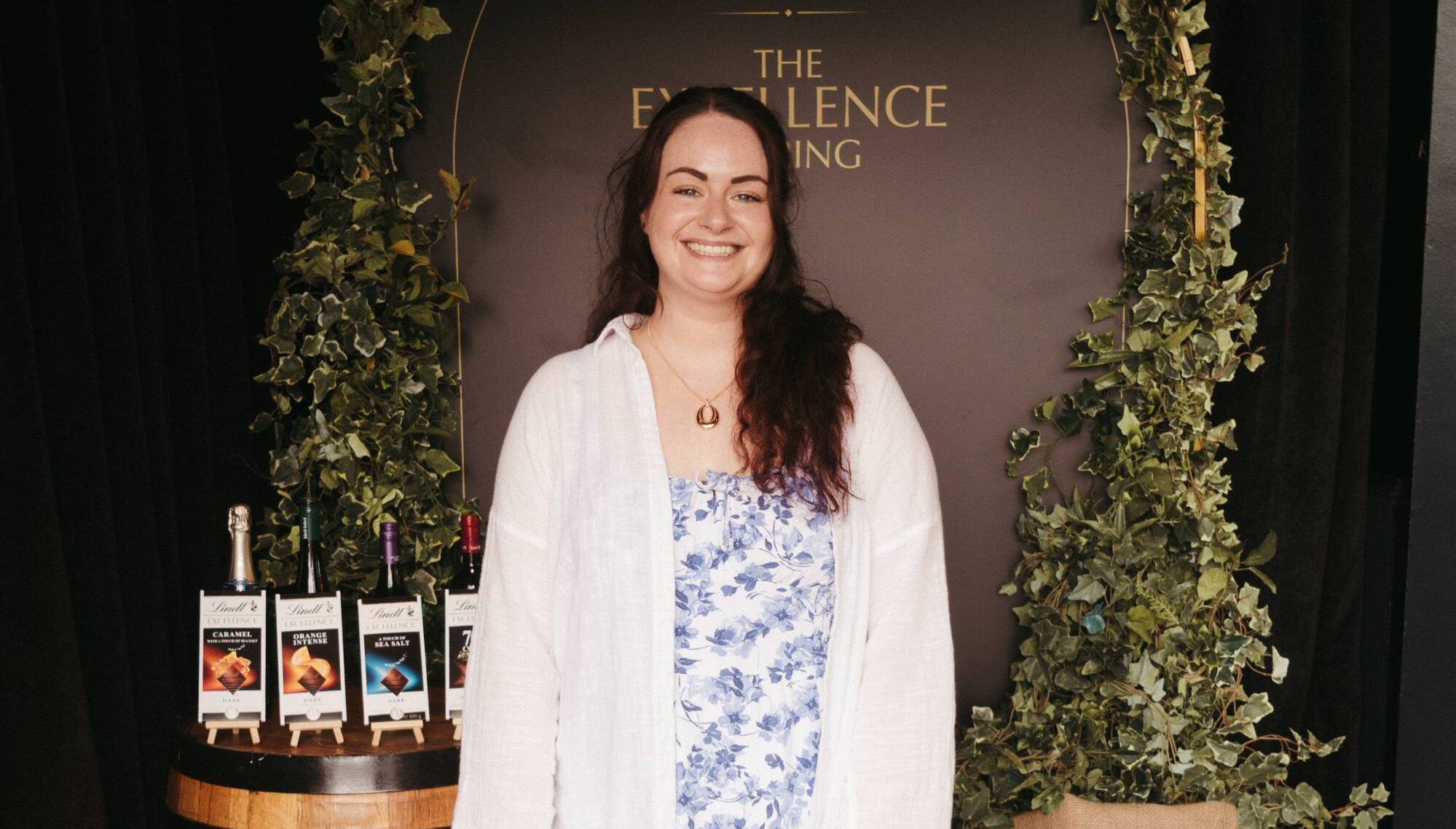
Breda Graham is pictured at the Lindt Excellence Chocolate and Wine Tasting Experience as part of Cork on a Fork Festival. Picture: @guilhermertds.

Breda Graham is pictured at the Lindt Excellence Chocolate and Wine Tasting Experience as part of Cork on a Fork Festival. Picture: @guilhermertds.

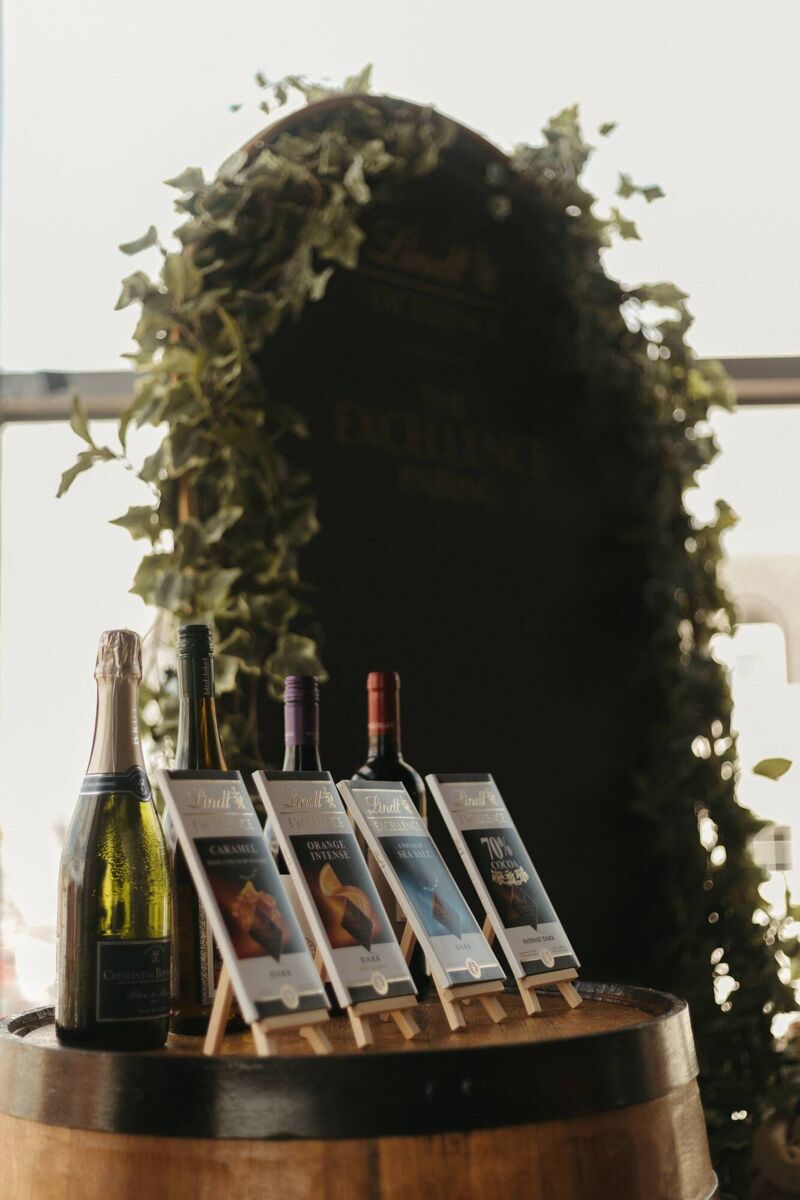
A square of dark chocolate melts slowly on the tongue, the richness of the cocoa, paired with the acidity of a red wine, creating a perfect balance of taste.
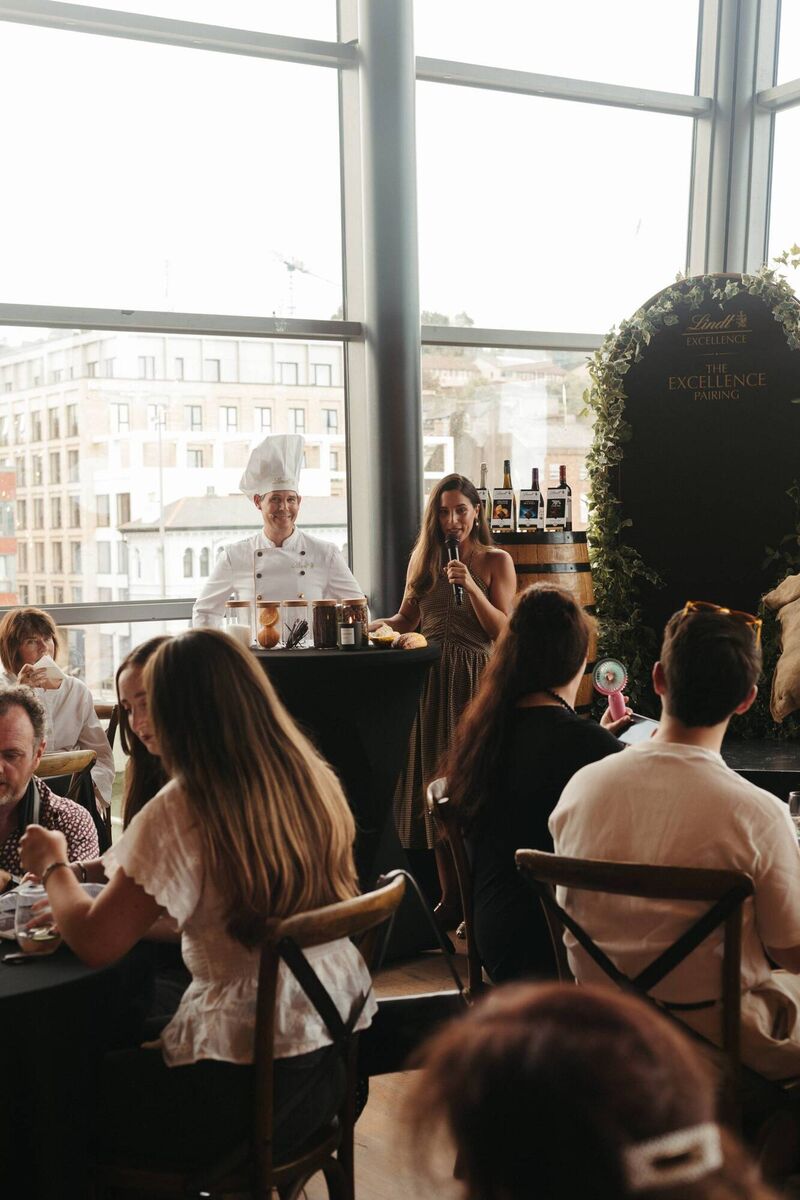
Around the room, conversation picks up: Tasting notes are compared and favourites are debated. Someone reaches across the table to offer another piece of chocolate. I can’t help but accept and take another sip of wine.

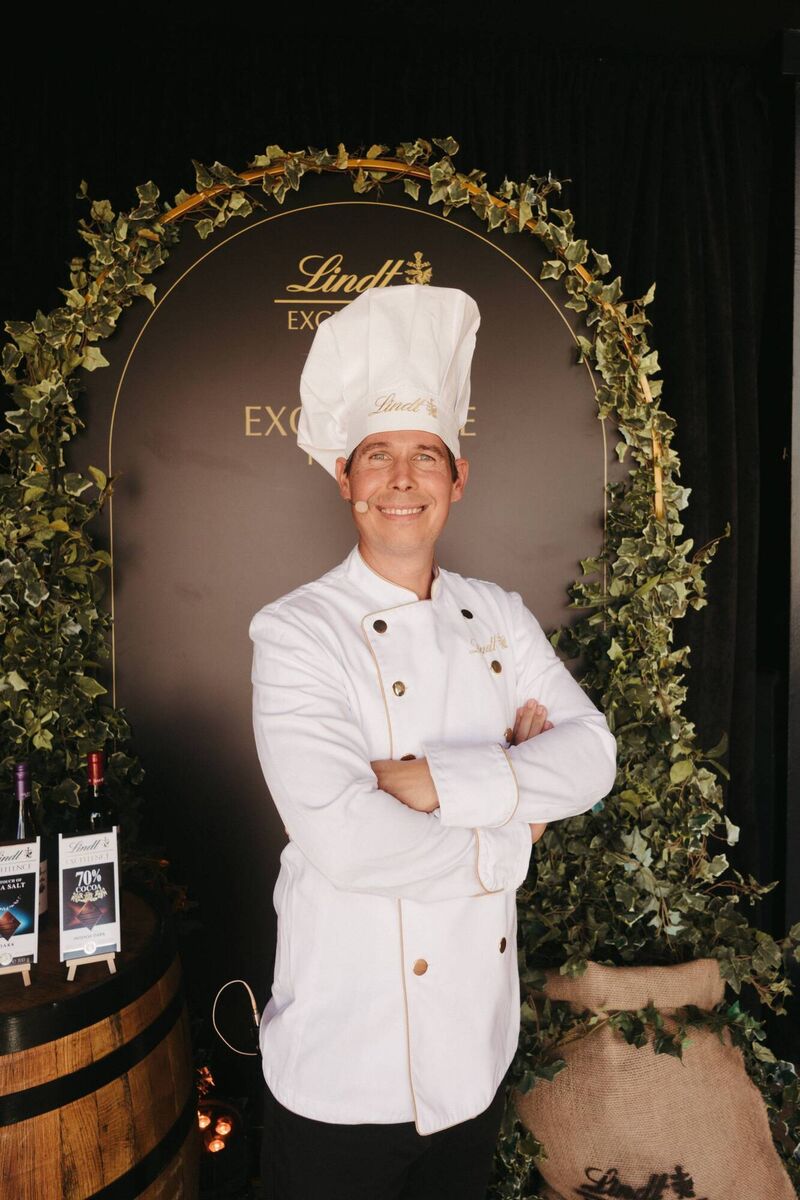
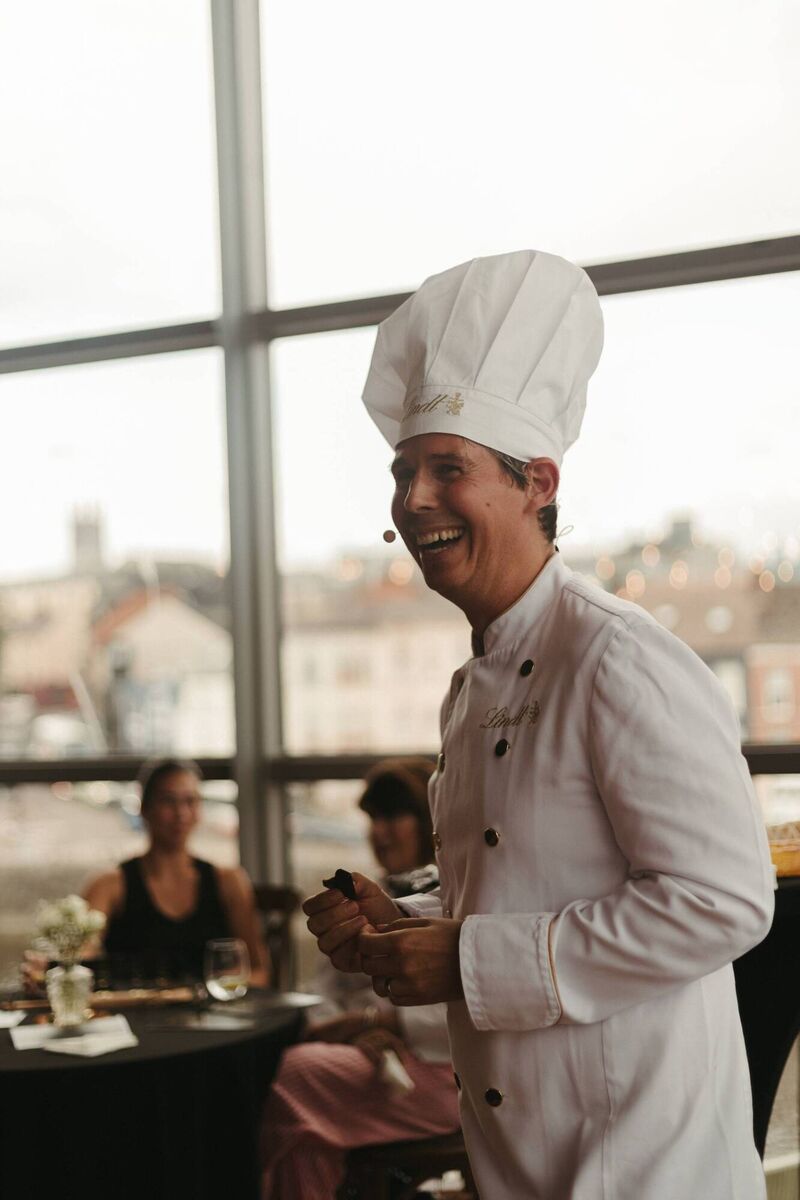
We are gathered at Cork’s Opera House for a Lindt Excellence chocolate-and-wine-tasting experience as part of the Cork on a Fork Festival. The event is led by one of Lindt’s master chocolatiers, Stefan Bruderer.

We learn about flavour and why each pairing of chocolate and wine has a unique taste. Bruderer leads us through the evening, offering his expertise on what flavours to search for on the tongue with each bite and each sip.

But the pairings are not just a tasting exercise. They become a reason for people to sit together, share opinions, and meet someone new.

That instinct to connect is part of what makes chocolate so enduring. We give chocolate as a gift, share it after dinner, and mark celebrations with it, but every bar has a history that stretches from the people who enjoy it back to the farmers who grow its key ingredient.

Lindt Master Chocolatier Stefan Bruderer is pictured at the Lindt Excellence Chocolate and Wine Tasting Experience as part of Cork on a Fork Festival. Picture: @guilhermertds.

For Lindt, that means working closely with cocoa farmers and investing in more sustainable and ethical ways of growing the beans that ultimately become chocolate.

Sitting down with the Irish Examiner ahead of last month’s chocolate-and-wine pairing event, Bruderer tells the story of how a bar of chocolate begins long before it reaches the tasting table, thousands of miles away in cocoa-growing communities.

Lindt looks beyond the finished product and builds closer relationships with the farmers who grow their cocoa by focusing on sustainable and ethical agricultural practices.

Bruderer says: “The most important ingredient for Lindt chocolate, or for any chocolate brand, is cocoa. One secret at Lindt is that we are working with bean blends. So, cocoa grows around the equator, around one to 20 degrees north and south of the equator. That’s called the cocoa belt. So, depending on the recipe, we select different types of beans, and that’s the most important ingredient for chocolate.”

“We source the beans from different origins, such as Ghana and West Africa, midland South America, even from the Caribbean or from Madagascar, and, really, the bean plant depends on the recipe.

“Lindt has its own farming programme to make sure it’s ethically sourced, and we make sure that the farmers are trained to produce the Lindt quality and educated the right way.

“One thing is that some of the farmers have quite old trees and if the tree is too old, you have fewer fruits, so we need to make sure to give them small trees, saplings, because it takes five years until the first fruits are harvested. So, we educate them to be early enough to replace old trees with new trees, and we support that, as well, with additional money to make sure that the farmers can produce cocoa today and tomorrow and the day after tomorrow.”

Bruderer always knew he wanted to work with food, and became an apprentice pastry chef at 16. He went on to do a master’s in business innovation, and he believes that the future of chocolate is a mix of tradition and innovation.

Lindt Master Chocolatier Stefan Bruderer is pictured at the Lindt Excellence Chocolate and Wine Tasting Experience as part of Cork on a Fork Festival. Picture: @guilhermertds.

Having worked with chocolate for more than 30 years and as a chocolatier with Lindt for more than 15 years, Bruderer says that while many food trends have emerged in recent years, not all of them will work for Lindt.

“Food trends need to match the Lindt brand heritage. There are a lot of trends, but not every trend will work for Lindt,” he says.

Touching on the journey from cocoa bean to chocolate bar, he speaks about his role in research and development and creating new recipes.

“Only if you taste new ingredients in the chocolate can you figure out which ingredients work best together with the chocolate. So being a master chocolatier is indeed a lot to do with tasting chocolate,” he says.

Without giving away any secrets, he talks through the most vital steps involved in chocolate-making to achieve that smooth texture and rich taste for which Lindt is renowned.

The chocolate and wine pairings that were experienced by attendees of the Lindt Excellence Chocolate and Wine Tasting Experience as part of Cork on a Fork Festival. Picture: @guilhermertds.

“The first step happens at the origin, so after the harvest… the fermentation. The fermentation is a very natural process, but it sets the base of the chocolate flavour. The beans are already losing some acidity and bitterness.

“It’s like during the fermentation, the cocoa beans are getting ready to become chocolate.

“Then, after fermentation, the beans need to be dried. They are transported to Europe to our warehouses. You check the quality many times, and then the next step is the roasting.

“Roasting brings out all the flavour. Imagine unroasted coffee, unroasted hazelnuts. It smells and tastes like nothing. It’s the same in cocoa. So, roasting brings out the flavour, and one Lindt secret is that we do not roast the whole beans: We roast the cocoa nips. So, you remove the shell, the husk, from the beans, and then the interior breaks into smaller pieces, and then we roast those pieces. After roasting, we do the milling, so we mill the roasted nips to a paste we call liquor and then we mix it with our ingredients. We grind it twice into very small particles. And this is very important for the smooth melting experience that Lindt is famous for, because Lindt chocolate is never sandy or gritty, and this is the reason: The grinding process, which we do twice.”

Lindt Master Chocolatier Stefan Bruderer is pictured at the Lindt Excellence Chocolate and Wine Tasting Experience as part of Cork on a Fork Festival. Picture: @guilhermertds.

Rodolphe Lindt, Swiss chocolate maker and founder of Lindt, is credited with inventing the machine that is vital in the next step of chocolate-making: Conching.

He invented the conching machine in 1879, and it would go on to become one of the most important steps of chocolate-making all over the world.

“The art of conching is to remove all the unwanted flavours from the chocolate, like bitterness or acidity, but to keep all the nice flavours we love our chocolate for, in the chocolate,” Bruderer says.

Consumers are making more conscious decisions about the chocolate they eat, driven by a desire for quality, ethical practices, and health benefits. Bruderer says: “People are better educated; they know about good food and bad food, and, I guess, in the future, people will probably eat less, but better, chocolate.

“With premium chocolate like Lindt chocolate, it’s a good mindset change.

“The information is more accessible than in the past. In the past, you only had information on the back of the pack, but now you have all kinds of information about where the cocoa is coming from, where the ingredients are coming from, so people are more interested in that as well.”

Something quickly became apparent as people gathered at the Opera House on that warm, late summer evening, overlooking the River Lee. Tasting all the flavours, from zesty orange to chilli and sea salt, showed how chocolate so effortlessly fosters connection.

Bruderer says: “I think chocolate connects people, and chocolate makes people happy. So, it’s such a pleasure to talk about chocolate with people like you, and because chocolate puts a smile on people’s faces. You can share chocolate, and as long as you love chocolate, I guess you’re connected.”

At the Cork Opera House, strangers connected for the first time and friends caught up with good conversation, proving that chocolate can be a bridge between hearts, from the hands that harvest to the people we share it with.

More in this section

ieFood

Newsletter

Sign up for our weekly journey into the best of Ireland’s food scene with recipes, reviews and stories from our award‑winning food writers.

Cookie Policy Privacy Policy Brand Safety FAQ Help Contact Us Terms and Conditions

© Examiner Echo Group Limited