Gen Z snubbing colleagues to dine alone? Damn right, too!
Almost one-third of employees under 25 regularly lunch alone, according to a survey
Almost one-third of employees under 25 regularly lunch alone, according to a survey by Openeat, compared with 22% of 25- to 34-year-olds, 16% of 35- to 49-year-olds, and 12% of over-49s.
These statistics were shocking to me, too, but for the opposite reason: So few?
I forgot when I was a waitress in Paris, I would serve groups of colleagues all the time.
This culture may well be shifting, but it remains far more the norm there than in this country.
I love a big French lunch with company, but I don’t idolise it in the way I used to, and here is why: I have a discreet understanding of other people’s right to alone time. If my colleague wants to peruse the property section of the while eating fish and chips in the canteen during her lunch break, I would not feel offended. She has two children — who am I to deny her that moment of peace and tranquillity?
Eating with colleagues can be lovely, but it’s not something anyone should be expected to do all the time, and not against their will.
The younger French people who are choosing to eat alone don’t seem to be understood. “So you don’t want to see us?” one young woman was asked when she didn’t join her colleagues for a team lunch. Ultimately, she tells , she was let go, she suspects because she rejected a social obligation that she found “patriarchal” and oppressive.
Well, bravo to her for fighting back against a situation that sounds nightmarish. Come and live here, I want to tell her, where everyone understands that lunch breaks are for going off by yourself to investigate food options, sitting on the grass with a book, phoning a friend to bitch about your job, or trying on clothes you can’t afford.
With the exception of certain industries, forced socialising really isn’t how we do things, at least not in my experience.
The spectre of the ‘team away day’ haunts the nation’s office workers and that is a once-a-year occurrence. To be expected to eat lunch regularly with your colleagues is something for which we would actually go on strike.
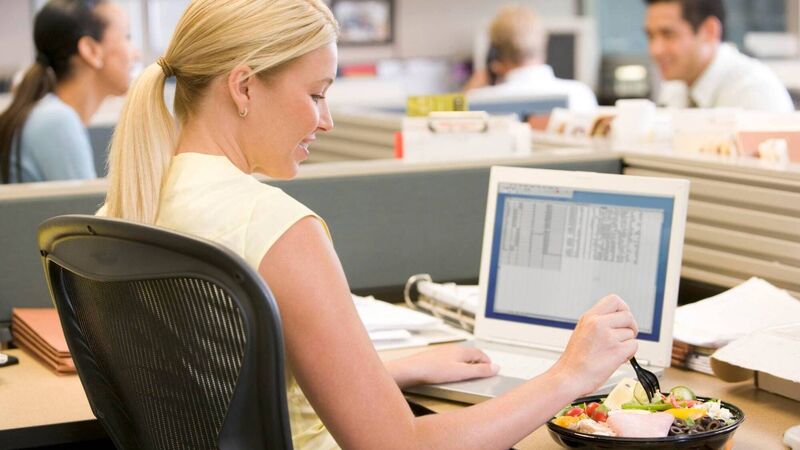
Look, I’m not saying our way of doing things is always better. How this country worships supermarket meal deals has always struck me as bizarre, though it’s nice to see that the offerings now extend beyond refrigerated sandwiches. I don’t think the French should be aspiring to an unhealthy lunch al desko.
And cultures of presenteeism and the shrinking of lunch breaks are workers’ rights issues we should be fighting against. As any younger journalist will tell you, there’s a sadness to having missed out on the legendary, long boozy lunches of the past.
Given the option, though, I’ll take solo dining. It’s one of life’s great pleasures, and that young adults — especially young women — are developing the confidence to do it should be celebrated.
There are also the costs of housing and living (also factors in France, although their lunch voucher system helps).
Eating last night’s curry from tupperware on a bench is a lot more affordable than a three-course sit-down meal, in Ireland at least.
Cutting yourself off from other people completely is never good. The draw of the screen is powerful; work is required to resist it.
Yet, a rare group meal that has been planned and is keenly anticipated is a far greater pleasure than a regular obligation that is silently dreaded.