Joe McNamee: Your Valentine's chocolate could be confectionery — here's how to tell the difference
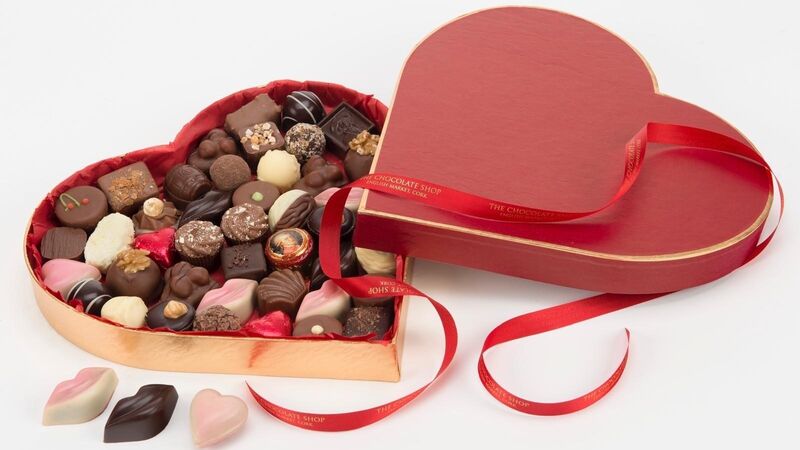
Joe McNamee: "Confectionery ‘chocolate’ smells vaguely of cocoa and vanilla (often artificial), whereas single origin real chocolate can inspire olfactory orgasms, a deep and intense cocoa aroma, often with notes of red and black fruits and even citrus."

Happy Valentine’s Day, second only to Easter when it comes to chocolate. Actually, the grá for chocolate is year-round: a recent work meeting where a colleague made a passing reference to the soaring price of chocolate eggs, spiralled into a discussion of chocolate in general that would still be running if there wasn’t a paper to get out.
Since 2020, the price of raw cacao, from which chocolate is derived, has risen from a stable long-term average of $2,000–$2,500 per tonne to a staggering $10,000–$12,000 per tonne by early 2025, a rise of around 400%. Those prices have slipped back but are still 200% higher.
Those rises in turn elevated retail chocolate prices, by as much as 35% in European markets by early 2025. In Britain and Ireland, the end of 2025 saw a 48% increase in the price of Cadbury’s Dairy Milk bar and a 51% increase for a Terry’s Chocolate Orange.
If you haven’t personally registered such enormous increases, it is because the large manufacturers are also ‘shrinkflating’ the amount of cocoa solids in each bar, as well as reducing its weight.
And here’s the kicker: in Ireland and Britain, most of what we call ‘chocolate’ is no more than confectionery, sweetened chocolate-flavoured treats, too low in cocoa solids to reach the minimum EU standard of 25% to be called chocolate, and with much of the cocoa butter replaced with vegetable oils and other lesser fats.
Only an EU derogation in 2003 allowed Irish and British companies to label such products as chocolate elsewhere in Europe; the further decline in cocoa content surely means that derogation will be revisited.
Refusing to call the confectionery we were raised on, ‘chocolate’, may come across as egregious food snobbery, but if you want to be found lifeless in a bath of Cadbury’s Buttons, then I salute you as long as we’re clear it wasn’t death by chocolate.
Yes, switching from the sweet childhood treat to real chocolate with a cocoa solid content of around 65% can be challenging. Complexity of taste can almost overwhelm the novice palate, used to eating a formulaic lab-designed confectionery, a blend of fats, sugars and flavourings designed to trigger the primal sweet spot that leads to binging; that Galaxy bar that must have eaten itself.
But once you accept it is a different beast, ‘real chocolate’ can be mind-blowing. Flavours are myriad, multi-layered and complex, depending on the cacao bean's origin, fermentation, roasting, and conching (a process that kneads and aerates heated chocolate to refine flavour, improve texture and remove moisture and volatile acids).
Your nose is the first to discern difference. Confectionery ‘chocolate’ smells vaguely of cocoa and vanilla (often artificial), whereas single origin real chocolate can inspire olfactory orgasms, a deep and intense cocoa aroma, often with notes of red and black fruits and even citrus.
The biggest leap for the novice can be bitterness, especially dark chocolate, but that initial startling bitterness makes sense of the more muted earthy, nutty undertones, from almond to hazelnut to walnut — and in nut-free bars! Next, floral and spicy notes; chocolate derived from Trinitario (one of three main beans used to produce chocolate, along with Forastero and Criollo) might yield rose, lavender, jasmine, along with pops of clove, cinnamon and pepper.
Mouthfeel too is different: as bitterness recedes, it is lush, near-velvet, a perfect vessel for a lingering and even tangy finish. The leap from chocolate confectionery to real chocolate is akin to switching from cheap blackcurrant cordial to a fine Burgundy wine.
Of course, the price of real chocolate has also risen. Rose Daly, proprietor of Ireland’s finest chocolate emporium, The Chocolate Shop, in the English Market, reckons her average retail price for a bar of single-origin chocolate has now risen to €8 for a 70g bar.
Before your wallet begins weeping tears of blood, a single square of real chocolate is often as much as you need at a sitting, so intensely pleasurable is the eating experience.
What’s more, real chocolate’s alkaloidal cocktail of caffeine, theobromine, serotonin and phehylethylamine makes for a tonic, an anti-depressive and an enhancer of pleasures, including sex.
Indeed, it is claimed Montezuma drank chocolate all day long, the better to service his concubines — and there was a man who had to send an awful lot of Valentine’s cards.
Chef, author, and experimental archaeologist Dr Bill Schindler is to lead an online UCC pilot course (starting April 1) connecting ancestral food traditions with sustainable enterprise, exploring how indigenous and traditional foodways can inspire ethical.
This all sounds like a perfect fit for anyone investing in food tourism projects, with Fáilte Ireland recently announcing grants for same and the course offers practical knowledge for food entrepreneurs, chefs, and sustainability advocates seeking to drive innovation rooted in cultural heritage.
Visit here.
Any budding food businesses looking for a retail outlet would do well to contact Cork City Council which is seeking tenants for two vacant units in The English Market.
As a young chef in the 90s, I can well remember shopping daily for produce at two such new arrivals and look what they grew into: The Toonsbridge Real Olive Company, and On the Pig’s Back.
Queries: cbehan@bigproperty.ie or Tel (021) 427 0007.
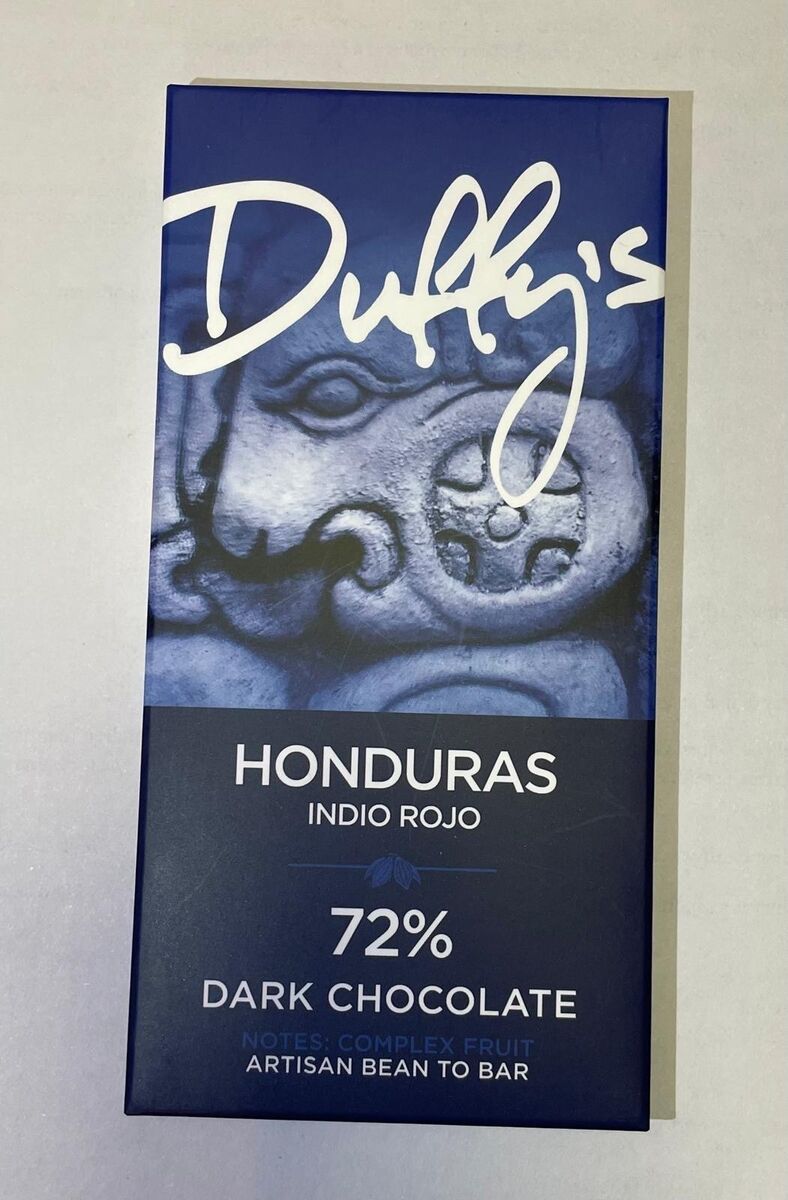
While we’re on the subject, one particularly delicious example of a single origin chocolate to be had from The Chocolate Shop is Duffy’s Honduras Indio Rojo 72% Dark Chocolate. Indio Rojo or ‘Mayan Red’ is a hybrid (of Trinitario and Amelonado) a rare and premium cacao that is reckoned to taste like an ancient native cacao.
Smooth, creamy and almost fudge-like butteriness that is quite surprising for such a dark chocolate and the flavours include sweet currants, traces of tangy citric orange and even coffee.
The beans come directly from the ethically-driven Xoco Cooperative, always a plus when you consider how so many growers are exploited by the giant buyers for the multi-national ‘chocolate’ brands, and the bar is vegan-friendly, gluten- and soya-free.