Wine with Leslie: There's more to German wine than cheap 1980s plonk

"Wines today are all from Germany, a country which slips under the radar here and is unfairly remembered for the cheap Liebfraumilch of the 1980s."

So my wife tells me I’m a little eccentric: she appreciates my rag-bag mind full of useful and useless facts (I think), but rather despairs that my desire to learn more about a subject often results in new obsessions and more things for me to collect.
I’m allowed more wine, but am strictly forbidden from buying more shoes, to take one example.
I’m often asked what led to my interest in wine, and the answer lies in my first obsession which was food and flavour.
It likely began in Germany, in the summer of my first year in college when I found myself working as a dishwasher in one of Germany’s best hotels, Parkhotel Adler in Hinterzarten in the Black Forest.
I befriended the chefs and got my first taste of lobster, venison, crêpe suzette and all manner of fine foods.
Most dishes were served on trays and carved at the table so I could easily scavenge what remained once the tray was returned,
I sucked on bones and learned how to expertly suck the meat from the always neglected lobster legs.
I developed an appreciation of German beers from dunkle to helles and tasted everything produced by the local RotHaus brewery, owned by the State of Baden-Württemberg.
I also tasted my first fine quality dry rieslings from the Mosel and Pfalz and I still love them today.
Oktoberfest is over for another year but in your local independent off-licence you will find some of the festbiers and märzens are still available.
Watch for Augustiner and the new Irish one I feature below from Hopburgh.
Wines today are all from Germany, a country which slips under the radar here and is unfairly remembered for the cheap Liebfraumilch of the 1980s.
These days expect vibrant dry great value riesling, and earthy red fruited Pinot Noir (Spätburgunder) that rivals village Burgundy but at half the price.
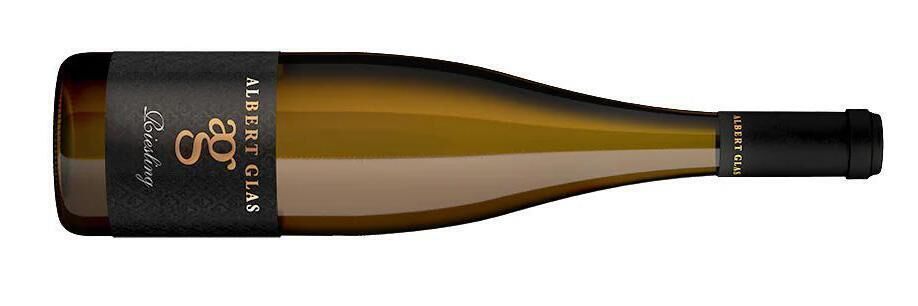
This is normally over €20 but is on offer at this excellent price until November 5th,
I advise buying a couple of bottles for Christmas as it will be a fine match for smoked salmon, shellfish and for post-Christmas Chinese takeaway.
Apple and lime-scented, lemony citrus, and stony freshness on the palate, taut and dry with lingering washed stone freshness.
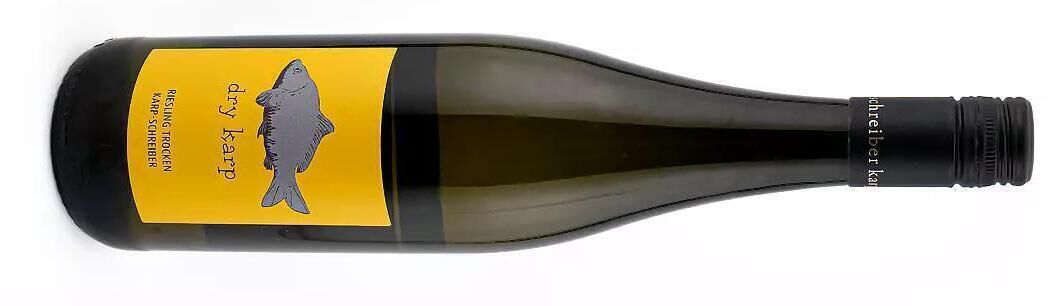
The steep slopes of the Mosel river make some of the finest white wines in the world, c.f. Joh. Jos. Prüm, Fritz Haag and others.
Yet the Mosel can also offer fantastic value.
This is packed with ripe apple, grapefruit, lime and tropical fruits, but has a tang of mineral freshness with a refreshing zing that makes the wine almost electric in the mouth.
Gorgeous.
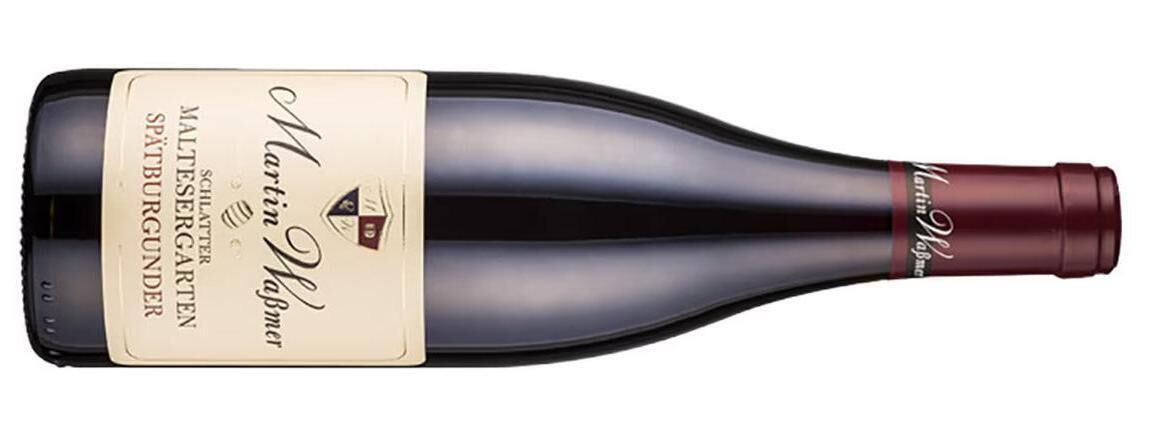
Baden is the most southerly and warmest of Germany’s wine regions and well suited to Spätburgunder/Pinot Noir.
The unoaked Martin Wassmer (€20) is perfumed, fruity and fine, but this single vineyard Maltesergarten has extra layers of dark cherry and blackberry, weight and concentration with ripe cherry with an edge of sous-bois earthiness.
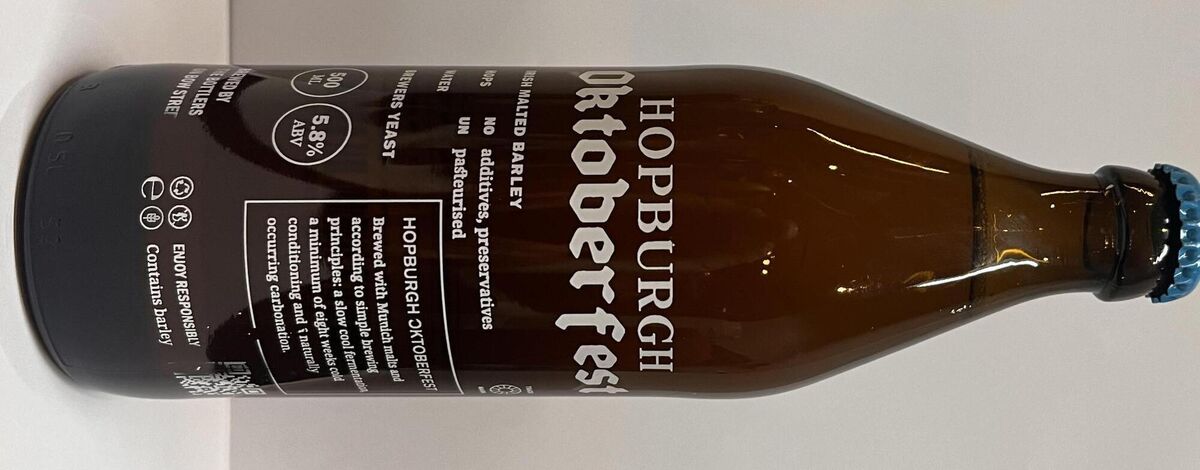
Märzen is the traditional beer for Oktoberfest, this was brewed in Dublin during the summer, lagered (cold conditioned) for 8 weeks and is naturally carbonated.
Maltier than the the Hopburgh Helles (also recommended), this pours a soft gold with vibrant citrus and malt aromas, a textured malty palate and fine complexity. Delicious.