The Menu: The growing revival of Ireland's fruit-producing farms
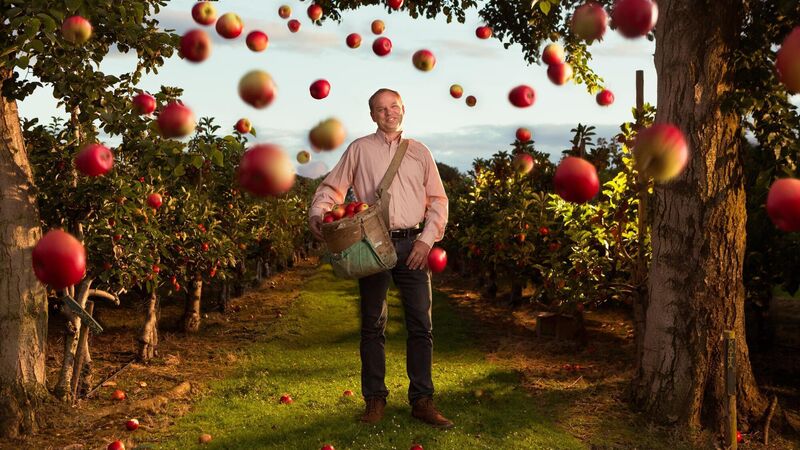
The Apple Farm's Con Traas: a model of best practice for a fruit farm, growing superlative apples, strawberries, raspberries, plums, pears and cherries grown on their orchards and farm, as well as a range of value added products, including fruit juices and in particular, apple juice.
Perhaps you are reading this over a leisurely weekend breakfast, maybe even sipping an OJ. Relish that sip, for Florida, the home of premium American orange juice, is running out of oranges.
The Spanish introduced oranges to the ‘New World’ not long after arriving in 1493 and in the late 19th century the orange, high in vitamin C, came to be valued for its health benefits, especially to treat scurvy.
After that, it took off and for almost 140 years has been a staple of the ‘American breakfast’.
Now the orange groves of Florida are falling prey to a disease known as citrus greening. Asian citrus psyllids feed on the trees, injecting bacteria that causes the fruit to become rancid, misshapen, and discoloured, leaving the tree dead within a few years.
It has killed millions of trees around the world and in the past 20 years, Florida, which once produced the majority of American orange juice, has seen production decline by 92%.
Scant fruit remaining is destroyed by Florida’s increasingly destructive hurricanes, thanks to climate change.
With the Fanta-coloured fascist in his alternative White House in Mar-a-Lago, you might say Florida has all the orange it needs, but there is currently no cure for citrus greening and most remaining growers are selling up to property developers.
America now relies on imports to fuel its OJ habit while Trump has already embarked on a reversal of environmental measures that will worsen the situation.
Europe is the only continent unaffected by the disease but in Spain, the world’s top orange exporter, and Valencia in particular, the only place in the world where oranges are in season during the summer, catastrophic flooding has had a devastating impact on orange groves.
Well, this is a fine way to ruin my breakfast says you, playing Cassandra while you play dejectedly with your cornflakes.
You’ve probably had your fill lately of hearing how the entire planet is going to hell in a hand-basket. Many’s the day, after the news, all I want to do is take to the bed, pull the blankets over my head, open a bottle, and throw away the cap.
I find the best medicine for such malaise is action. Okay, I won’t remotely change the world but, accompanied by a little positive reinforcement, it raises my mood and fertilises hope, a commodity in very short supply these days.
An increasingly progressive Teagasc, the semi-state body responsible for providing research, advice and education to Irish agriculture, horticulture, food and rural development, has put its weight behind a major research project into reviving the Irish ‘orchard’ that is showing great promise.
The challenges are enormous, not least increasingly varied weather as storms, frost, and hail all play havoc with existing Irish orchards but doughty owners keep battling the elements and innovating to produce fruit that knocks the socks off inferior, imported apples.
It’s not just apples. When did you last have Irish blackcurrants, redcurrants, cherries, gooseberries, or even wild blackberries? A delicious Irish pear?
In West Cork, Steve Collins of Derryduff Farm grows stunning organic blueberries, as they do at Banner Berries, in Co Clare.
Blueberries are now one of Ireland’s most popular fruits. It grows well here and is a natural replacement for formerly ubiquitous blackcurrants, once grown in huge volume to produce Ribena — why not develop an Irish blueberry growing sector?
As for raspberries, I will no longer even stay in the same room as one if it’s not Irish grown, especially out of season.
Ideally, it will be from Bushby’s, in West Cork, their stunning raspberries, like their strawberries, grand cru champagne to the cheap fizzy soda of inferior imports.
So the next time you are in the supermarket, make a point of asking a manager for Irish apples (or other Irish fruits). Become a pain in the ass, do it each week until they relent.
If enough of us do it then real change will come about and every Gael in the land will be able to live by the motto, ‘an Irish apple a day, has all the doctors on the dole queue — or working in the Irish fruit sector’.
The Gathering Table, the brainchild of Catherine Meijer, the founder of Considered Food and Travel and gastronomic journalist and editorial consultant Tina Nielsen, is a fine new gastronomic collective celebrating Irish food culture and producers.
Its inaugural event, Fire & Fish: A Celebration of St. Brigid (March 9) at Fumbally Stables, Dublin sees the Irish Examiner’s own Aishling Moore, chef-owner of Goldie in Cork and Irish Chef of the Year 2024, serve up an intimate four-course supper in honour of women in gastronomy and food production.
The evening also features a lively and thought provoking discussion on the role of women in Irish food production and culture.
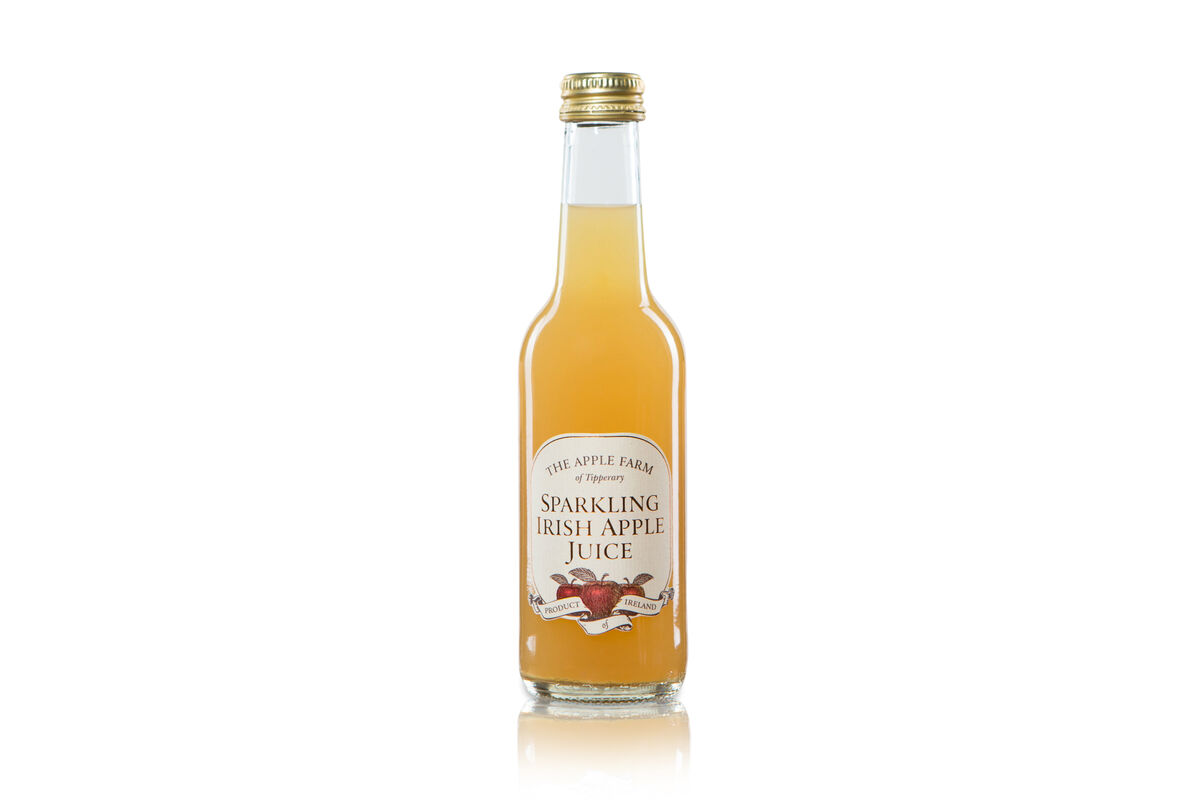
Where once a glass of freshly squeezed OJ was an indicator of a ‘de luxe breakfast’, now most top Irish hotels have fresh pressed Irish apple juice in the lead role.
One of the most inspirational growers in Irish food, Con Traas’ Apple Farm, in Co Tipperary, is a model of best practice for a fruit farm, growing superlative apples, strawberries, raspberries, plums, pears and cherries grown on their orchards and farm, as well as a range of value added products, including fruit juices and in particular, apple juice.
The Apple Farm's still apple juice is crisp, refreshing beverage gorgeously poised on the cusp of sweet and tart, but it is Con's sparkling apple juice that truly stuns, exquisite carbonated pure fruit juice straying into perry territory with its pear-like notes.