French chef Michel Roux shares his recipe for a quick seafood tagliolini
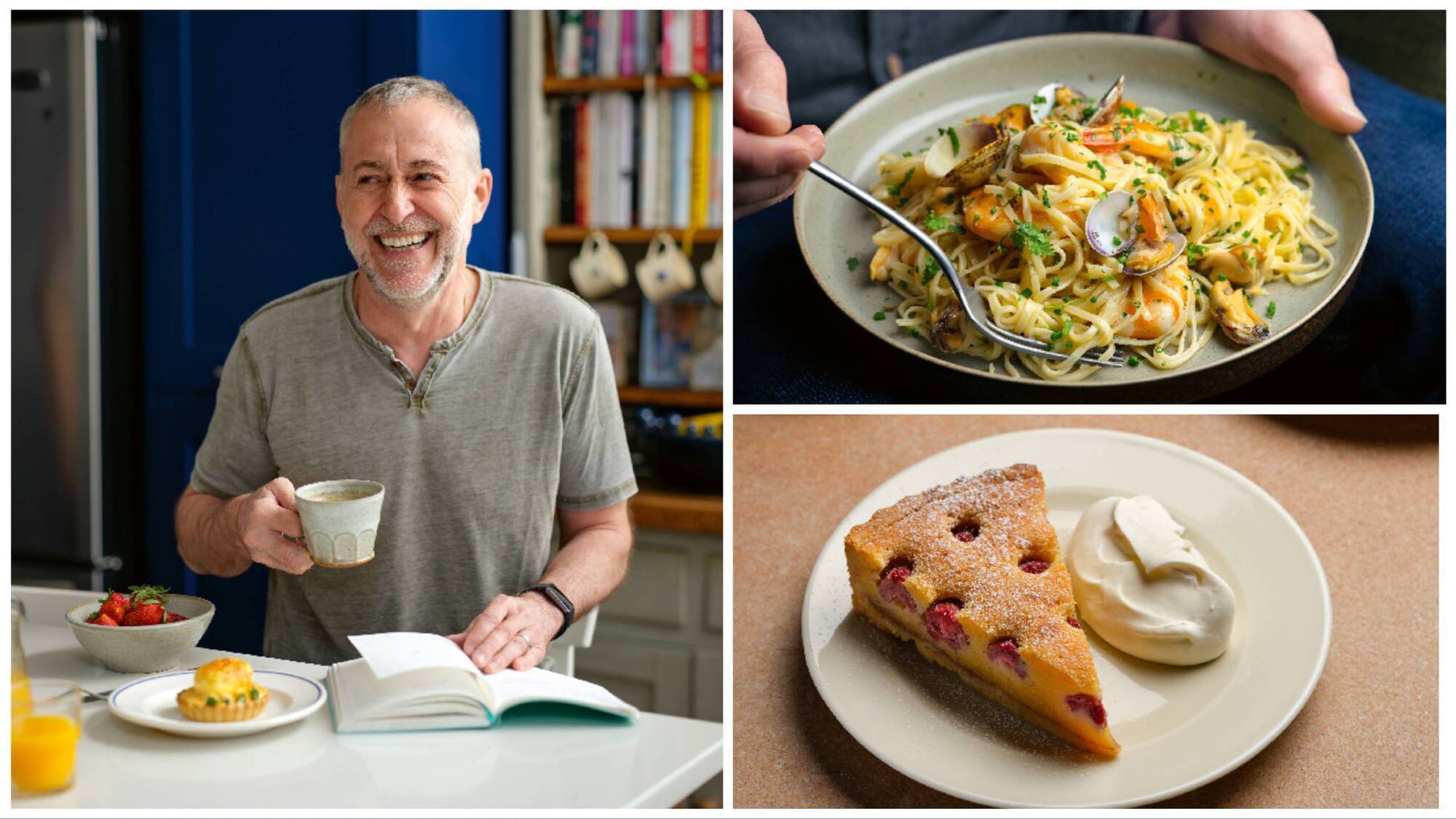
Michel Roux on life after closing legendary restaurant Le Gavroche
Known as one of the hardest-working people in food, chef Michel Roux has a well-earned break on the horizon.
London’s legendary French fine dining restaurant, Le Gavroche, established by Roux’s father and uncle (Albert and Michel Roux Snr) in 1967, is shutting its doors.
Roux, 63, has been at the two-Michelin star restaurant since 1985, and he’s committed to his role of chef patron.
“Most people who have dined at Le Gavroche will know that I’m very hands-on – if Le Gavroche is open, then I try and be there every night,” he says. “So to free up a little bit of extra time would be wonderful.”
With the building’s lease coming to an end, Roux felt like it was the “appropriate time to turn the page”.
Looking back at the restaurant’s legacy, Roux suggests it “massively” changed the culinary landscape in the UK.
“My father and uncle — when they opened it in ’67 it was a huge leap. It was the beginning of the culinary revolution in the UK, and I never take it for granted. It was something of a momentous moment and here we are, nearly 57 years on — we’re still going very, very strong.”
Roux mentions the chefs and front-of-house staff who have worked at Le Gavroche over the years — somewhat humbly refraining from naming any names. Alumni are a who’s who of the food industry, including chefs Gordon Ramsay, Marco Pierre White, Marcus Wareing and Monica Galetti.
Despite the success, Roux accepts it’s “a tough industry” to be in.
“It’s one where, to do it properly, you have to be 100% committed,” he says — but that’s not to say Roux’s about to go on holiday.
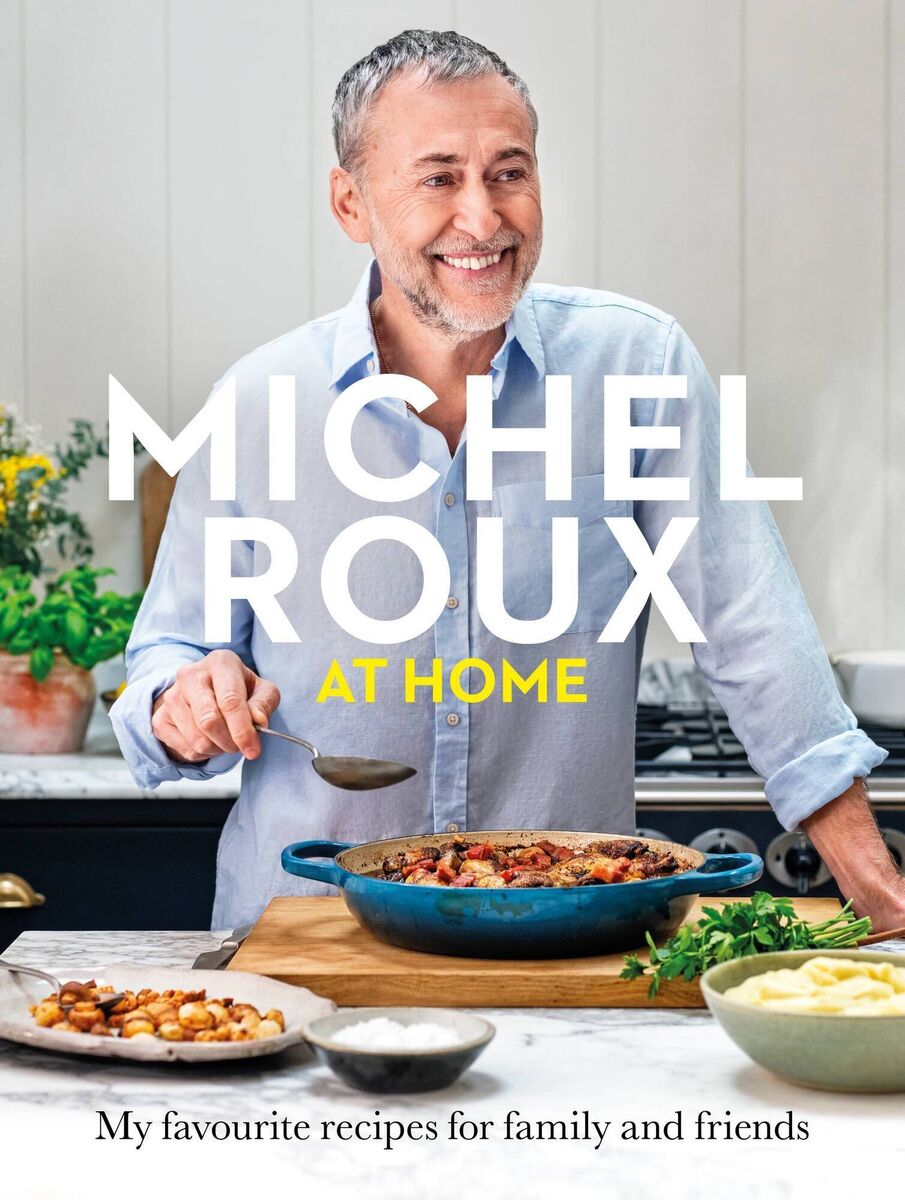
He still has three restaurants in Scotland to run, consultancy work to do, TV shows to present (Five Star Kitchen: Britain’s Next Great Chef just wrapped up on Channel 4) and cookbooks to write — like his new offering, dedicated to French home cooking.
“I remember Mum cooking at home for us when we were kids and it was very similar to the stuff I’m putting in the book now and still cook,” he says.
French cuisine has something of a reputation for being fancy and complicated — the reserve of fine dining restaurants like Le Gavroche. And yet Roux argues this is very different to what French people actually cook at home.
“It’s genuinely wholesome, it’s not complicated, it’s not complex,” he notes. “It’s got complex flavours — definitely. But it’s not complex in the making.”
He describes the type of cooking he does at home as “convivial – it’s very much sharing dishes”. This is what he describes as “true French cooking”.
“By that I mean it’s not overly fanciful and fine dining. It’s real homely food that I truly believe everyone can achieve. It also gets rid of the myth that French food is complex, heavy, rich, and difficult to cook. It’s not. At its very essence, its very heart, French cuisine is quite simple, and it’s very similar to Italian cuisine.”
Pasta might be synonymous with Italian food, but it was a staple for Roux growing up.
“If you go to the south of France, the whole Mediterranean basin, pasta was influenced by the Italians there,” he explains. “And if you go to the north of France and the north-east, they have their own version of pasta as well — pasta is consumed immensely in France.”
Pasta dishes in the book include creamy onion tagliatelle and linguine with olives, artichokes, sundried tomatoes and herbs.
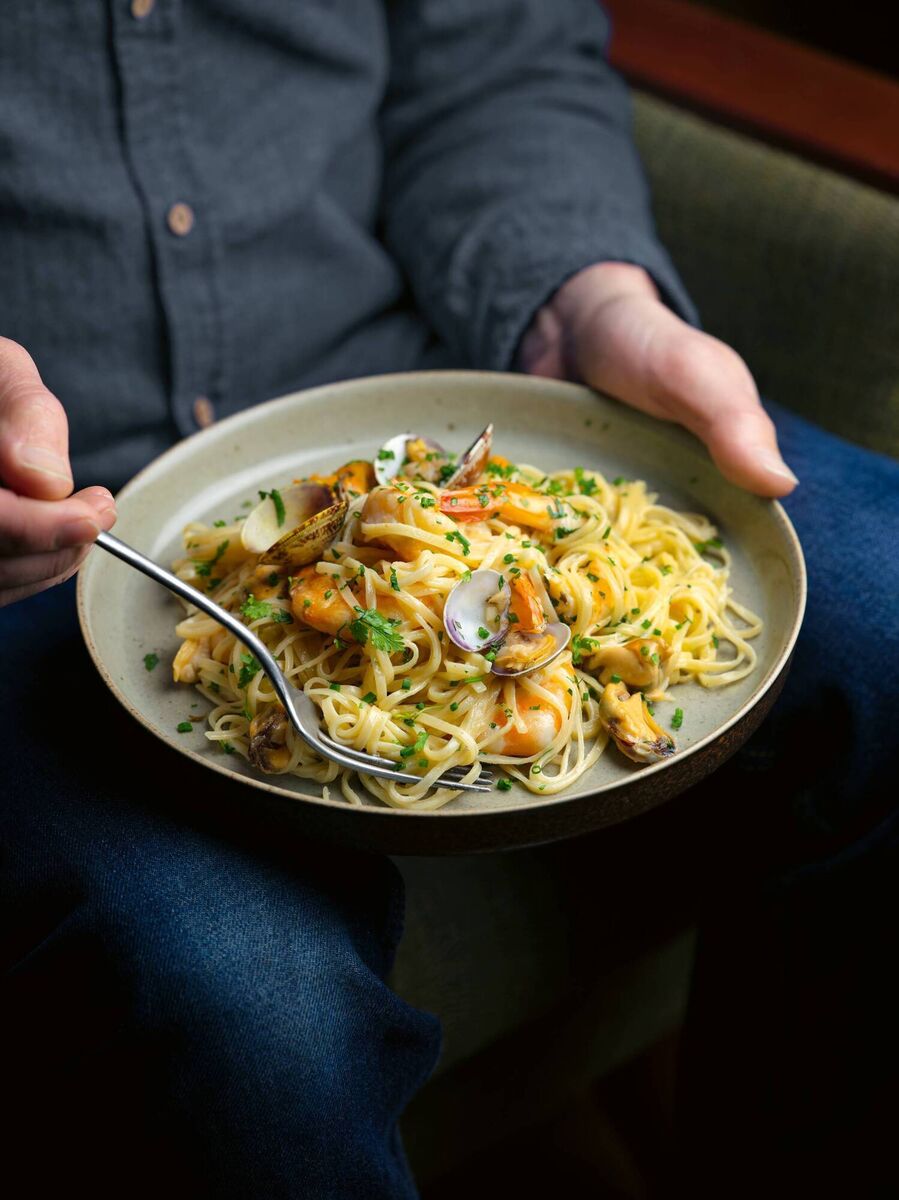
There’s also a big focus on seasonality in the book — something that Roux says is crucial to understanding the cuisine.
“Seasons play a very big part in French cooking, like Italian cooking,” he says. “When I’m in France, I very rarely go to the supermarket, other than for washing-up liquid and stuff like that every other week… [In my village in the south of France] every day we go to the market and we buy fresh food and we’re influenced by what we see.”
Roux comes from a long line of French cooks, and remembers how his father, Albert, “jumped for joy” when he said he would follow in his culinary footsteps — and his daughter, Emily, has done the same.
“Emily from a very young age said she wanted to be a chef, and my wife did try and dissuade her,” Roux remembers. “She [his wife, Giselle] kept saying, ‘Look — Daddy comes home knackered, he’s grumpy and smells, and this, that and the other’. And she [Emily] said, ‘No, I definitely want to be a chef’, which is great.
“I’m immensely proud of her and what she’s achieved — she’s a very, very talented chef, and so is her husband Diego [Ferrari, with whom she runs the Notting Hill restaurant Caractère]. They make a great team.”
Roux plans to spend more time with his “long-suffering wife”, his daughter and son-in-law, and his grandchildren in the near future.
One of the things he’s most looking forward to? Being fed for once — he plans to head to Caractère to “eat their wonderful food”.
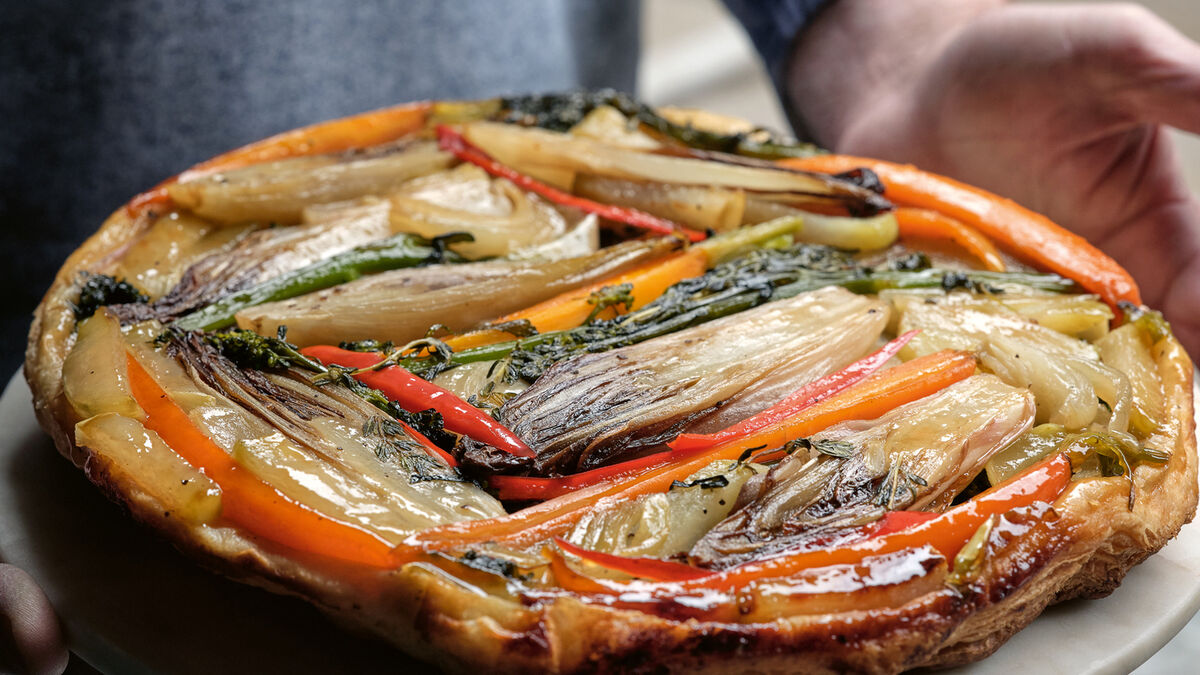
Michel Roux’s vegetable tart tatin
An easy, yet impressive, vegetarian dinner.
Servings
4Preparation Time
10 minsCooking Time
40 minsTotal Time
50 minsCourse
MainCuisine
FrenchIngredients
3 small heads of red chicory
3 small heads of yellow chicory
200g slender carrots,
halved lengthways
300g kohlrabi, cut into batons
100g cauliflower florets or sprouting broccoli, halved
1 large onion, cut into wedges
2tbsp olive oil
2tbsp butter
2tbsp caster sugar
1 red chilli, deseeded and sliced
Leaves from 1 thyme sprig
350g puff pastry
Flour, for dusting
Salt and black pepper
Method
Preheat the oven to 220°C/Fan 200°C/Gas 7. Cut the heads of chicory in half (or if they are large, into quarters) and put them in a bowl with the other vegetables. Add the oil and toss, then season with salt and black pepper. Spread the vegetables over a baking tray and roast them in the oven for eight to 10 minutes. The vegetables should be partly cooked and have a little colour.
Melt the butter in a large (28cm) ovenproof frying pan, then sprinkle over the sugar. Place the cooked vegetables, sliced chilli and thyme on top, making sure to pack the vegetables tightly.
Roll out the pastry on a floured work surface to three millimetres thick. Place the pastry over the vegetables, tucking it in around the edges. Make a few holes in the pastry with the point of a knife, then bake for 20 minutes. Leave to cool a little, then place a plate over the pan and carefully turn the pan over to invert the tart on to the plate. Serve warm.
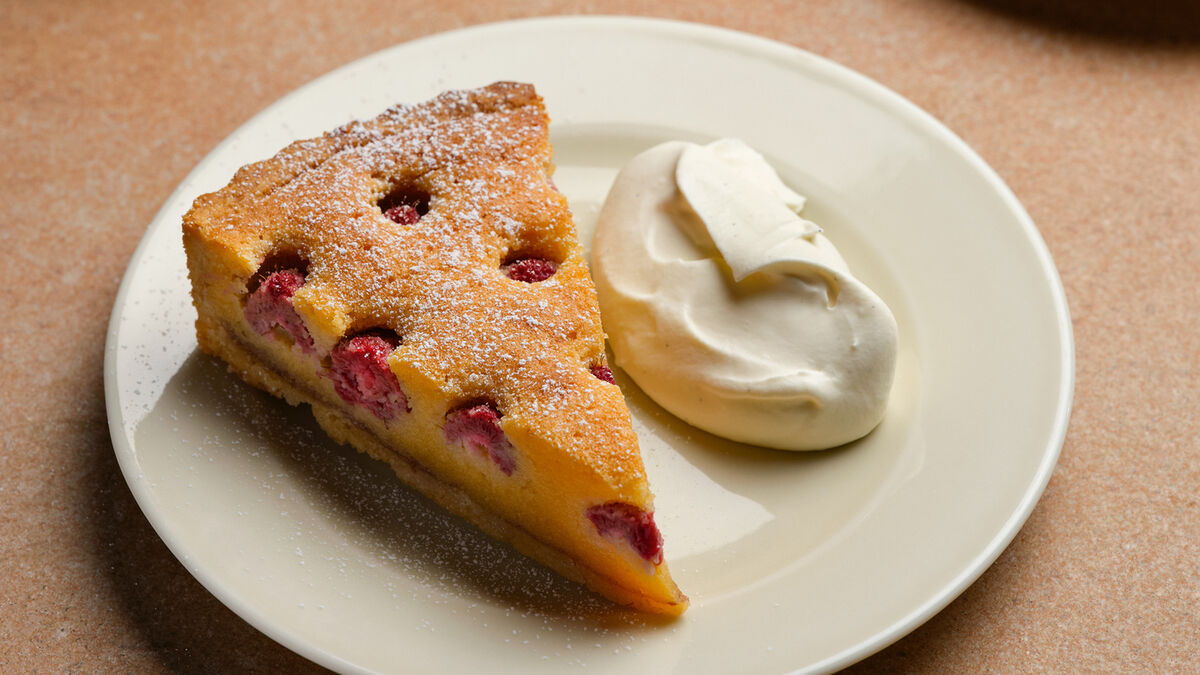
Michel Roux’s almond and raspberry frangipani tart
You can sub out the raspberries for whatever fruit is in season.
Servings
6Preparation Time
15 minsCooking Time
47 minsTotal Time
1 hours 2 minsCourse
BakingIngredients
For the pastry:
150g butter, softened
90g caster sugar
2 free-range eggs
Pinch of salt
240g plain flour, plus extra for dusting
75g ground almonds
For the almond cream:
200g butter, softened
200g caster sugar
200g ground almonds
2tbsp plain flour
4 free-range eggs
1tbsp dark rum or Ratafia (fruit-based liqueur)
For the jam and fruit:
60g raspberry jam
250g raspberries
To serve:
Icing sugar
Ice cream or chantilly cream
Method
For the pastry, mix the softened butter with the caster sugar until combined. Mix in the eggs, then add the salt, flour and ground almonds and bring everything together into a dough. You can do this by hand or in a food processor or stand mixer.
Wrap the pastry in cling film and chill it in the fridge for about two hours. Dust your work surface with flour, roll out the pastry and use it to line a tart tin or flan ring measuring about 24 centimetres in diameter. Chill again until needed.
For the almond cream, whisk the butter and sugar until pale, then add the ground almonds and flour and whisk to combine. Whisk in the eggs, one at a time, then add the rum or Ratafia.
Preheat the oven to 180°C/Fan 160°C/Gas 4. Remove the tart case from the fridge and spread a thin layer of jam over the pastry. Add the almond cream and arrange the raspberries evenly on top.
Bake for about 45 minutes until the tart is golden and cooked through. Dust with icing sugar and serve warm with ice cream or cool with chantilly cream. Don’t put this tart in the fridge.
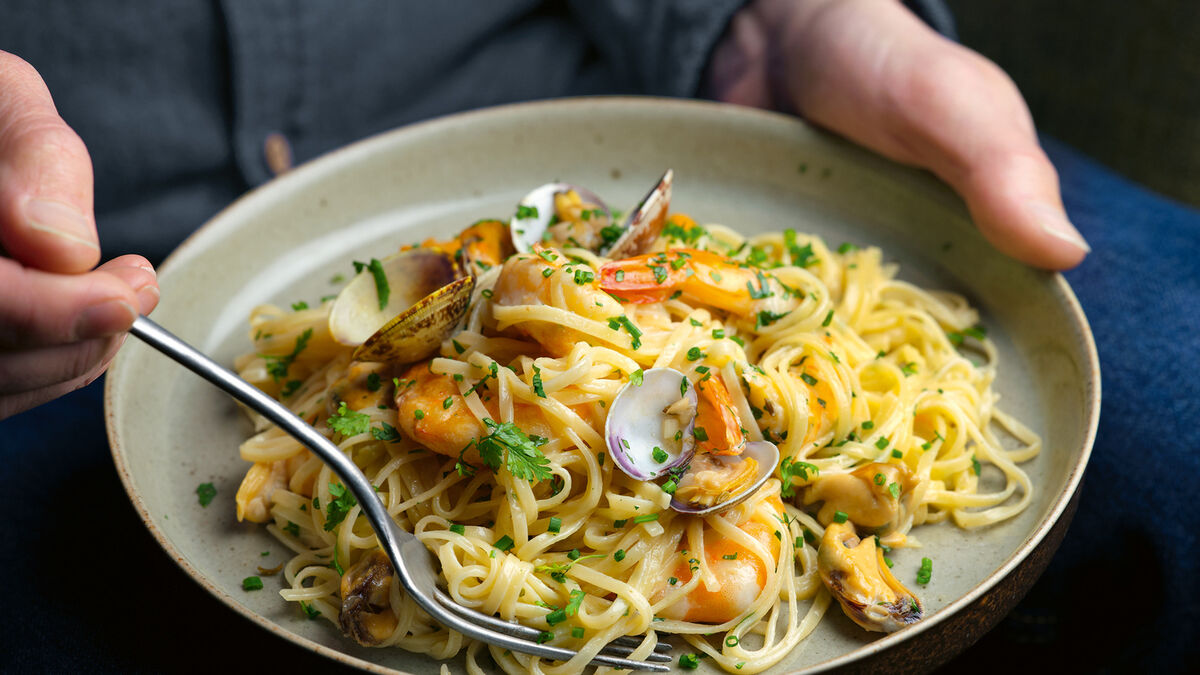
Michel Roux’s tagliolini with seafood
A quick pasta dish with notes of fennel.
Servings
2Preparation Time
10 minsCooking Time
20 minsTotal Time
30 minsCourse
MainIngredients
400g clams
500g mussels
2tbsp olive oil
1 shallot, chopped
1tsp fennel seeds
2 garlic cloves, chopped
50ml pastis
150g shelled raw prawns
4tbsp crème fraiche
300g fresh tagliolini or 180g dried tagliolini or tagliatelle
Handful of herbs (parsley, chives, chervil), finely chopped
Juice of 1 lemon
Salt and black pepper
Method
Wash the clams and mussels well in cold water and discard any that are broken or don’t close when tapped. Remove any beards from the mussels.
Heat the olive oil in a large pan, add the shallot, fennel seeds and garlic and sweat until they start to colour. Add the clams, then the mussels. Pour in the pastis, cover the pan and cook for five to seven minutes until all the shells have opened. Take care not to overcook the shellfish.
Tip everything into a colander placed over a bowl, then pass the cooking liquid through a fine sieve or a strainer lined with muslin. Pick the flesh from the mussels and clams, leaving a few in the shell to use as a garnish. Tip the cooking liquor back into the pan, bring it to the boil and boil for five minutes. Add the prawns and crème fraiche, then, when the prawns have turned pink, add the picked mussels and clams.
Bring a pan of water to the boil and add two tablespoons of salt. Cook the pasta until al dente, then drain. Add the drained pasta to the pan of shellfish and stir well. Add the chopped herbs and garnish with some mussels and clams in shells. Season with lemon juice, salt and pepper, then serve at once.
- Michel Roux At Home by Michel Roux is published by Seven Dials. Photography by Cristian Barnett. Available now.