Urban gardens and new ways of growing: The community-centre future of food
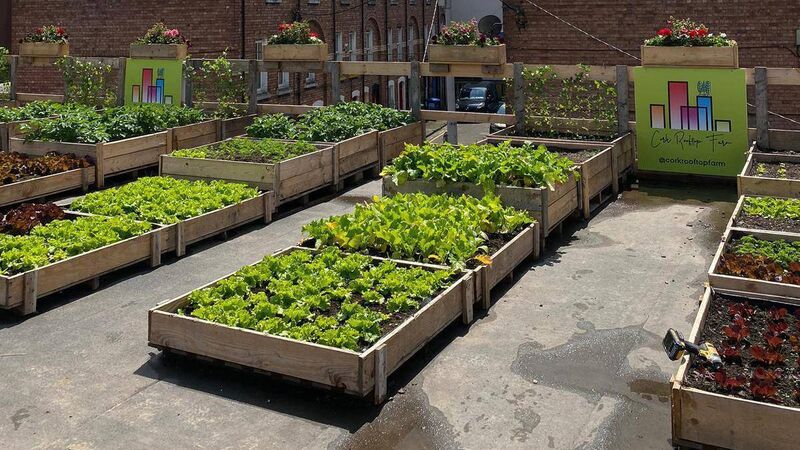
Cork Rooftop Farm
Food growing is usually associated with rural environments, but cities can also play their part in providing a portion of our food supply. As food insecurity becomes increasingly worrisome, it is worth exploring ways in which our towns and cities can generate food, or even provide enough so that we have a buffer in times of scarcity.
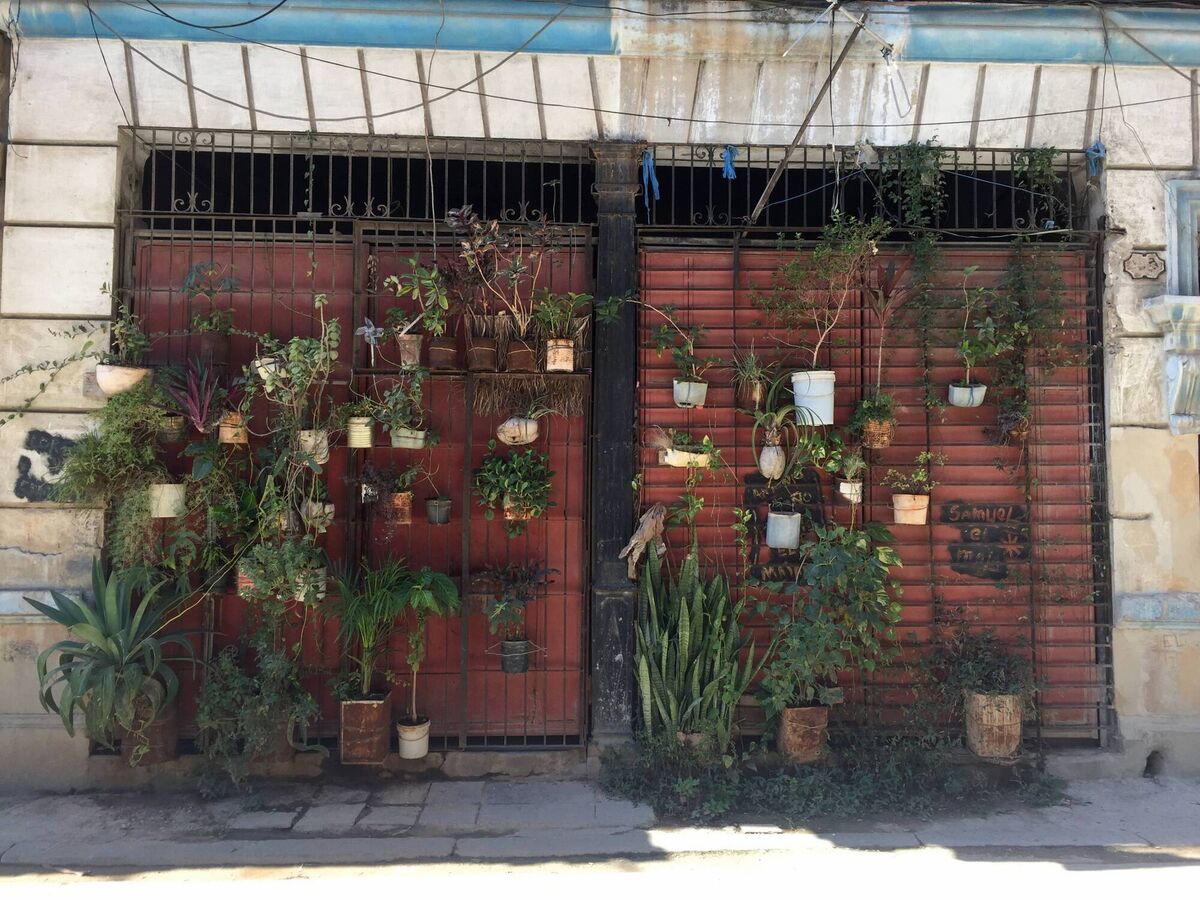
Around the world, there are many innovative examples of how this can be done. Cuba was forced to rethink its food production after the Cold War. The Soviet Union collapsed, and Cuba suddenly lost access to its oil supply. The dramatic stoppage forced a rapid adaptation to non-oil-dependent agriculture. People in Havana got creative and started to adapt every bit of spare land in the city for food production, keeping animals on small city blocks, using rooftops and alleyways to grow crops.
At first the yields were low, but as people learned and came together to help each other the food production – as well as the biodiversity of the city –began to thrive. The impacts have been huge, with thousands of community gardens and urban farms producing between 45% and 100% of fresh vegetables for the city’s 2m inhabitants.
In Ireland, we have fertile land and a deep agricultural tradition. We also have plenty of empty, overlooked, and unused spaces throughout our towns and cities. Importantly, we also have a will to increase food growing, with Community Gardens in Ireland calling for the doubling of the already 2,500 community gardens and allotments in urban areas. Ireland trails behind other European countries, not just in availability of land, but in the infrastructure to support people who do grow within urban areas.
This was not always the case, in the 1940s there were reportedly 35,000 allotments provided by local authorities. With current waiting lists of up to 10 years, the lack of such amenities is something that needs to be addressed.
Brian McCarthy is the pioneer behind Cork Rooftop Farm on Coal Quay and says that, while Cork is by no means a food desert, new ways of agriculture in urban settings are the key to futureproofing our food supply. Its Community Supported Agriculture scheme is a vegetable box offering whereby people sign up for 20 weeks to receive a weekly vegetable box made up of an equal share of the produce of the farm.
“It’s made up of produce that is rolling into the season so they are buying into the idea that they want to eat what’s fresh and what’s seasonal and what’s grown near them.” McCarthy says that there is an interesting dilemma when it comes to food poverty.
“Family expenses have gone through the roof in the last year in terms of fuel costs and inflation. I don’t think necessarily food costs have increased in relation to the increased prices that the suppliers are incurring. That’s a big problem for suppliers, that they are holding tough on price increases. I don’t think there’s enough value put in quality foods across the board. There are less than 100 commercial horticultural producers in Ireland, whereas in the 1990s there were more than 350.”
Research has shown that there are huge benefits to growing in your community. It is not just the tasty carrots and apples you get at the end of the season, but the interaction with others can benefit our physical health and mental wellbeing. Microbes in soil stimulate brain cells and being outdoors and getting exercise is generally a very good thing. In fact, in parts of the UK doctors are prescribing patients to join local projects in their area, it is called “social prescribing”.
There is an inventive project in American towns where the local library also becomes a seed library. People can get seeds free of charge. The libraries not only hand out seeds, but have also become food-growing hubs with edible gardens on their grounds where members grow and harvest food. Cooking workshops, children’s food events, and other programmes about seed saving, gardening, and urban agriculture are also available. The aim is to help combat local food insecurity, as well as biodiversity loss, while also building community resilience.
As well as creating spaces to grow food, local authorities and councils could also support community cooking kitchens. There is a nice example of such a kitchen in Preston in the UK, called The Lancaster Larder. It is called a “dietary educational resource for the community”. Those who run it believe in the power of food to drive positive change.
The space is used to increase access to affordable healthy food and to build skills and resources within the community. They also work with the city’s public organisations and the mayor to look at food procurement. This is the money the city and organisations spend on food; this buying power is then used to support local food producers and provide gainful local employment.
The work being done, building wealth within the community, shows that when working together with government support, local people can really benefit from large government budgets. The model has been so successful that it has become known as the Preston Model and is being emulated by other councils throughout the UK.
Belo Horizonte in Brazil is another pioneering food city. This time, the city is actively tackling food poverty. It has become known worldwide as “the city that ended hunger”. A thriving urban agriculture sector was developed, at the same time the local government fixed the price of 25 key food items, to make them more accessible to all.
The city also subsidises food in certain restaurants and food trucks, that serve nutritious food, at a low price in poorer neighbourhoods. The mayor declared that food was a right of citizenship in 1993 and stated that it was the duty of the government to guarantee this right. Since then, the city supplies nutritious food directly to public schools and day-care centres, health clinics, nursing homes, homeless shelters, and other charitable institutions. It has also created food banks which collect and distribute excess fresh fruit and vegetables from markets and shops.
The pandemic and heavy snowstorms have given us a little glimpse of what can happen when food delivery lines are blocked. How do we as a country begin to feed ourselves if there are seismic changes in the way food is produced or distributed?
The Government has been quick to look at alternatives in grain production to help buffer us next season when imports will be reduced because of the war in Ukraine. Research in the UK shows that Britain could grow up to eight times the amount of fruit and vegetables if all available urban and under-used green space were turned to cultivation. Havana’s genuine grassroots reaction to the lack of available food shows that urban solutions can work.
It is difficult to become food secure as a household, especially when you live in a city, but when people and communities come together wonderful things can happen. Half of humanity now lives in cities, with that number predicted to jump to 70 % by 2050. Creating vibrant green spaces where people, who wish to, can grow food, and places, where there is community access to affordable nutritious food, is a positive step.